What's The Difference Between Nylon And Polyester

Ever rummaged through your closet and wondered, "What exactly is this stuff made of?" Chances are, you've encountered nylon and polyester more times than you can count. These synthetic fabrics are workhorses of the textile world, popping up in everything from your favorite yoga pants to the tents you take camping. But what truly sets them apart, and why should you, even if you're not a fashion designer, care about the difference?
For artists, hobbyists, and even the casually curious, understanding nylon and polyester opens up a world of creative possibilities. Think beyond just clothes! Knowing the properties of these fabrics can inform your choices for crafting projects, DIY repairs, and even home décor. Are you creating durable tote bags? Considering which fabric handles paint or dye better? The answers lie in understanding the subtle, yet significant, distinctions between these two materials.
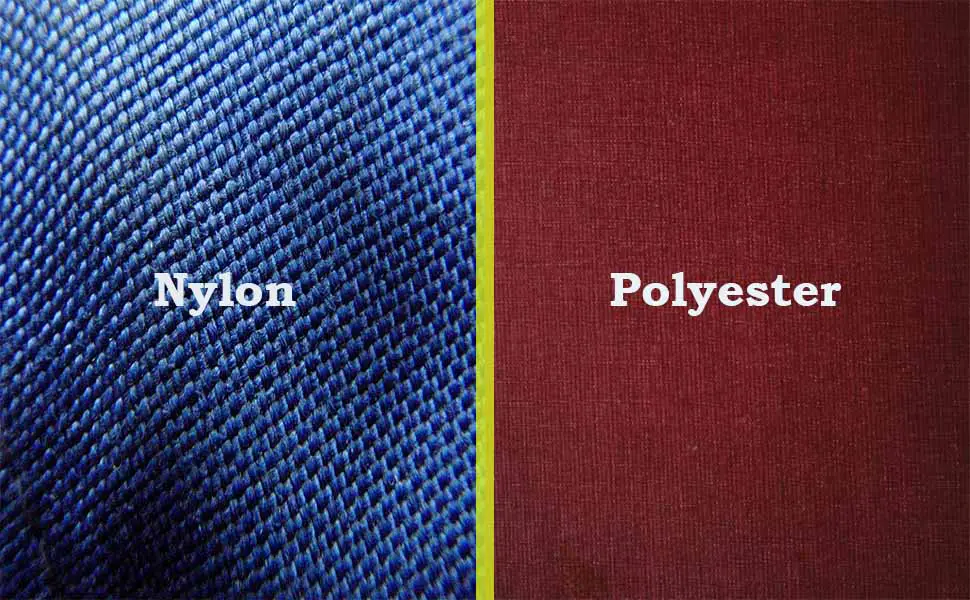
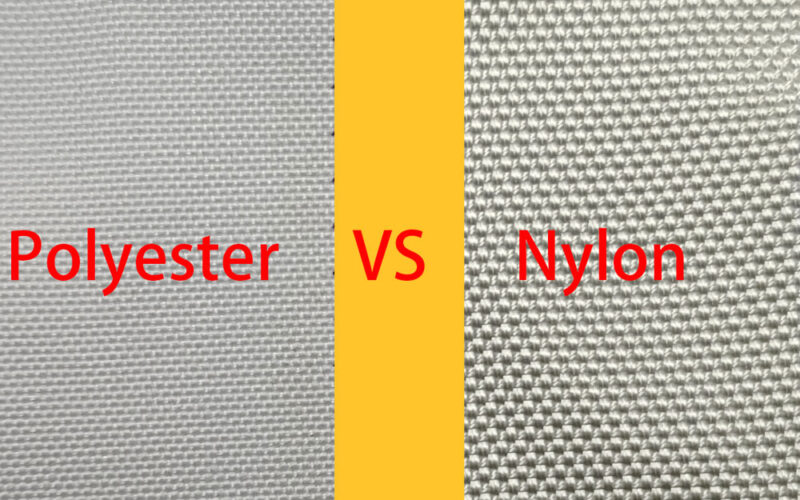
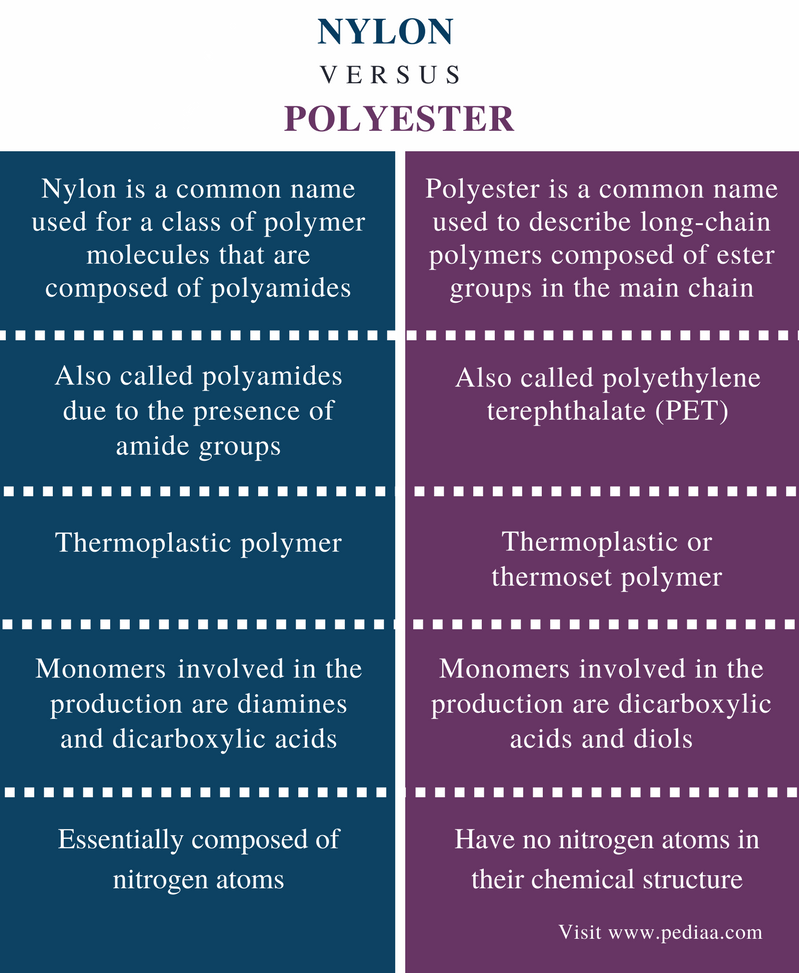
So, what are those differences? The most significant boils down to their chemical structure and how that impacts their properties. Nylon is known for its exceptional strength, elasticity, and resistance to abrasion. Imagine a superhero's costume – sleek, resilient, and able to withstand intense action. It excels in applications requiring durability and flexibility, like ropes, stockings, and even some types of bristles.
Must Read
Polyester, on the other hand, is celebrated for its wrinkle resistance, color retention, and generally lower price point. Think of it as the reliable, easy-care friend. It's often found in clothing that needs to maintain its shape and appearance, such as suits, dresses, and curtains. Because it doesn't absorb moisture as readily as nylon, it's also a popular choice for outdoor gear.
Examples abound! Consider activewear: you'll often find nylon blends in items requiring high stretch and support, like compression leggings. Polyester is frequently used in moisture-wicking t-shirts, as it helps keep you dry during workouts. Upholstery fabrics often use polyester for its stain resistance and durability, while luggage might employ nylon for its strength and resistance to tearing.

Want to experiment at home? Try a simple dyeing test. Purchase small squares of nylon and polyester fabric. Using the same dye, see how each fabric absorbs the color. You'll likely find nylon takes the dye more readily, resulting in a richer, more vibrant hue. You can also conduct a burn test (with proper safety precautions, of course!). The way each fabric melts and smells will differ, offering another clue to its composition. Or, if you’re more inclined, you can try stretching each fabric to its breaking point. You’ll find out exactly how strong each one truly is!
Ultimately, understanding the differences between nylon and polyester is more than just knowing fabric types. It's about empowering yourself with knowledge that can inform your creative pursuits, make informed purchasing decisions, and appreciate the intricate world of materials that surrounds us every day. It’s enjoyable because it transforms the mundane into the mindful, turning a simple choice into an informed and satisfying experience. So, go forth and explore the fascinating world of fibers – you might just discover a new passion!