What's The Difference Between Metal And Steel

Ever wondered what makes your car strong enough to withstand a fender bender, or your trusty frying pan able to sizzle up a delicious breakfast? The answer lies in the fascinating world of metals and, more specifically, steel. We rely on these materials every single day, often without even realizing it. From the towering skyscrapers that define our cityscapes to the humble paperclip holding your documents together, metals and steel are the unsung heroes of modern life. We build with them, cook with them, travel with them, and even wear them, making them integral to our comfort, convenience, and even our safety.
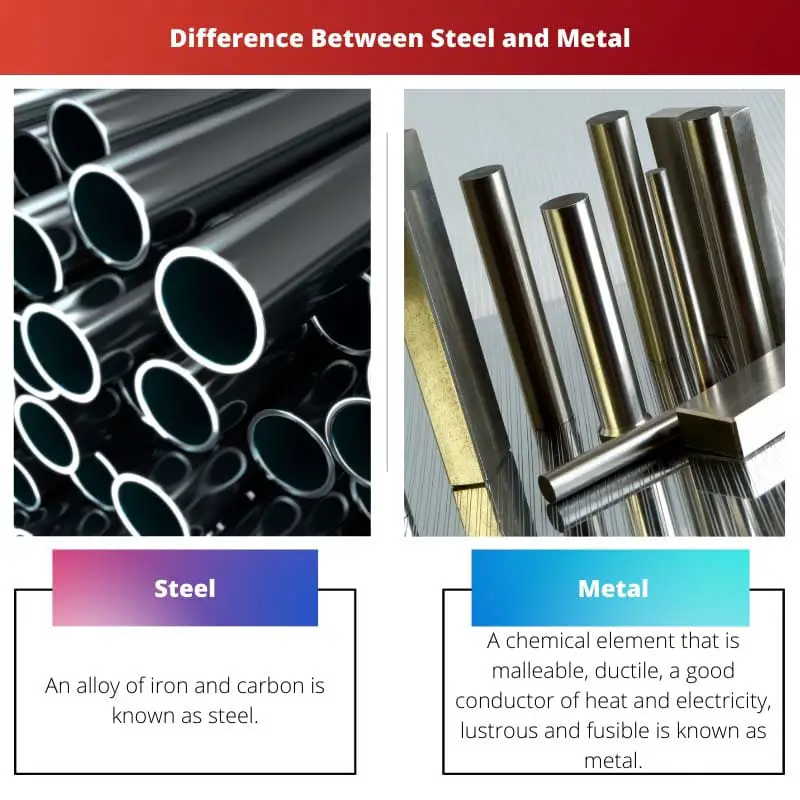
But what exactly is the difference between metal and steel? That's the question that often pops up. Let's clear up the confusion: Metal is the broad category, encompassing a huge range of elements like gold, silver, copper, aluminum, and iron. These elements share certain properties, such as being good conductors of electricity and heat, and having a characteristic shine or luster when polished. They are the building blocks, the raw materials, from which alloys like steel are created.
Steel, on the other hand, is an alloy, meaning it's a mixture of two or more elements, where at least one of them is a metal. Typically, steel is primarily iron, with a small but crucial amount of carbon added – usually between 0.002% and 2.14% by weight. That tiny addition of carbon makes all the difference! This seemingly small change drastically improves the iron's properties, making it much stronger, harder, and more durable. Think of it like adding a secret ingredient to your favorite recipe that elevates it to a whole new level.
Must Read
The benefits of using steel are numerous. Its strength and durability make it ideal for construction, allowing us to build bridges, buildings, and other infrastructure that can withstand tremendous stress and strain. Its relatively low cost compared to other strong materials makes it a practical choice for a wide range of applications. You see steel everywhere: in your car's frame, in your appliances, in the tools you use for gardening, and even in the cans that hold your favorite beverages.
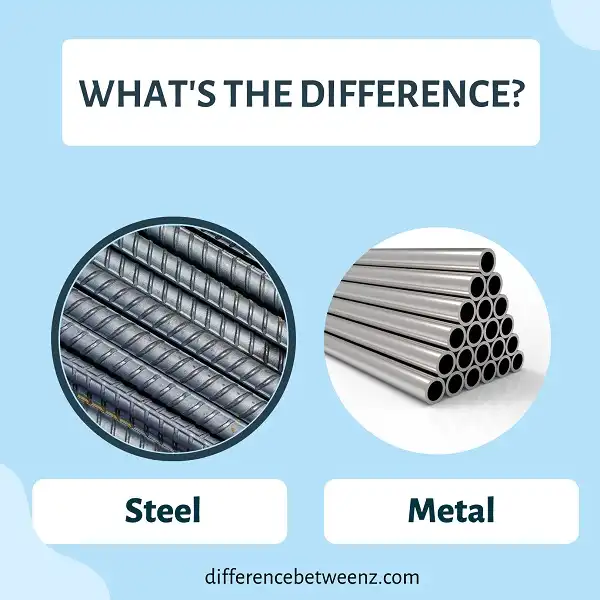
To appreciate the wonders of steel and metal even more, consider the following: Next time you're walking around, take a moment to observe the metallic structures around you. Notice the different types of finishes, the way light plays off the surfaces, and the overall design. Learning a bit about the specific grades of steel used in different applications can also be fascinating. For example, stainless steel, renowned for its corrosion resistance, is commonly used in kitchenware and medical instruments due to the addition of chromium. You could even visit a local metalworking shop to see how these materials are shaped and formed into various objects. Understanding the properties and applications of metals and steel adds a layer of appreciation for the everyday objects we often take for granted.
Finally, remember that not all metals and steels are created equal. The quality and properties can vary greatly depending on the manufacturing process and the specific alloys used. By paying attention to the materials used in the products you buy, you can make informed choices that will ensure greater durability and performance. So go ahead, embrace the world of metals and steel, and marvel at the ingenuity that has shaped our modern world!