Ever stared at the back of a blender and felt like you were reading a foreign language? Full of mysterious words like amps and watts? Fear not, dear reader! We're about to decode this electrifying jargon in a way that's so fun and easy, you'll be explaining it to your friends at your next barbeque (guaranteed!).
The Plumbing Analogy: Amps as Water Flow
Think of electricity like water flowing through pipes. Amps (or Amperes, if you're feeling fancy) are like the amount of water flowing. Imagine a tiny trickle versus a raging river. The river has way more "water flow," right? That's like a circuit with lots of amps – it's got a strong electric current ready to do some serious work. Think of a super-powered electric drill tearing through concrete versus a tiny toy car slowly chugging along. The drill needs a whole lot more amps!
In other words, amps measure the rate of electrical flow. The higher the amperage, the more electrons are zooming through the wire. More electrons mean more power potential. But potential isn’t everything, right? You need something to put that potential to work...
Now, imagine that water is turning a water wheel to grind grain. Watts (named after James Watt, the steam engine dude!) represent the amount of work that water wheel is actually doing. A tiny trickle might barely nudge the wheel, while that raging river will have it spinning like a caffeinated hamster. That's the difference between low wattage and high wattage!
So, watts measure the power being used. A 100-watt light bulb is using more power than a 40-watt light bulb. It's brighter, right? That's because it's consuming more electrical energy per second.
Putting it All Together: The Water Pressure Connection
But wait! There's a third player in this electrical game: Volts. Think of volts as the water pressure in our plumbing analogy. High pressure means the water is being pushed through the pipes with more force. Low pressure means it's just kind of dribbling along.
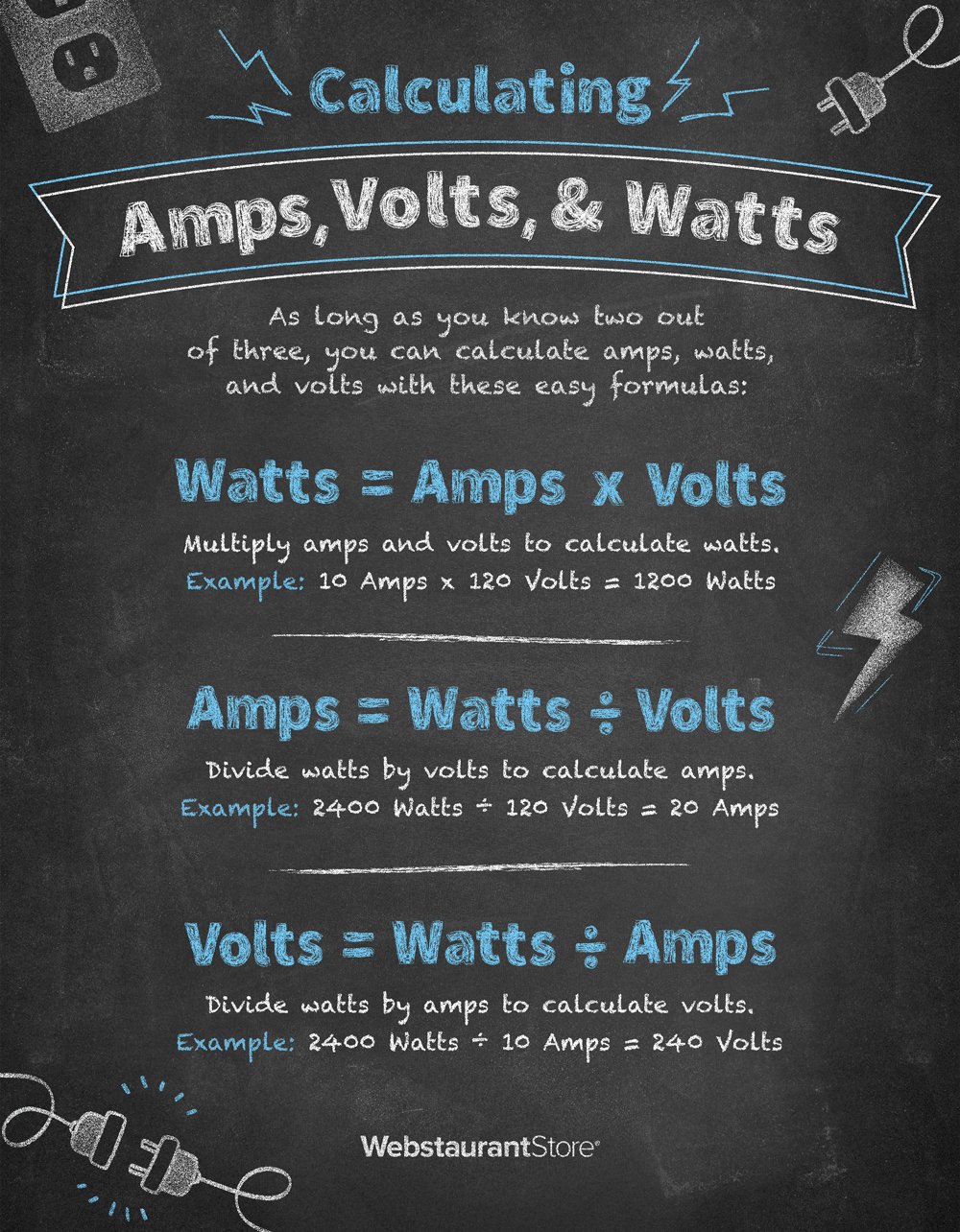
Here's the secret sauce: Watts = Volts x Amps
It's like saying: The amount of work being done (watts) depends on how much water is flowing (amps) and how hard it's being pushed (volts). If you have high voltage and high amperage, you're going to have a whole lotta watts!
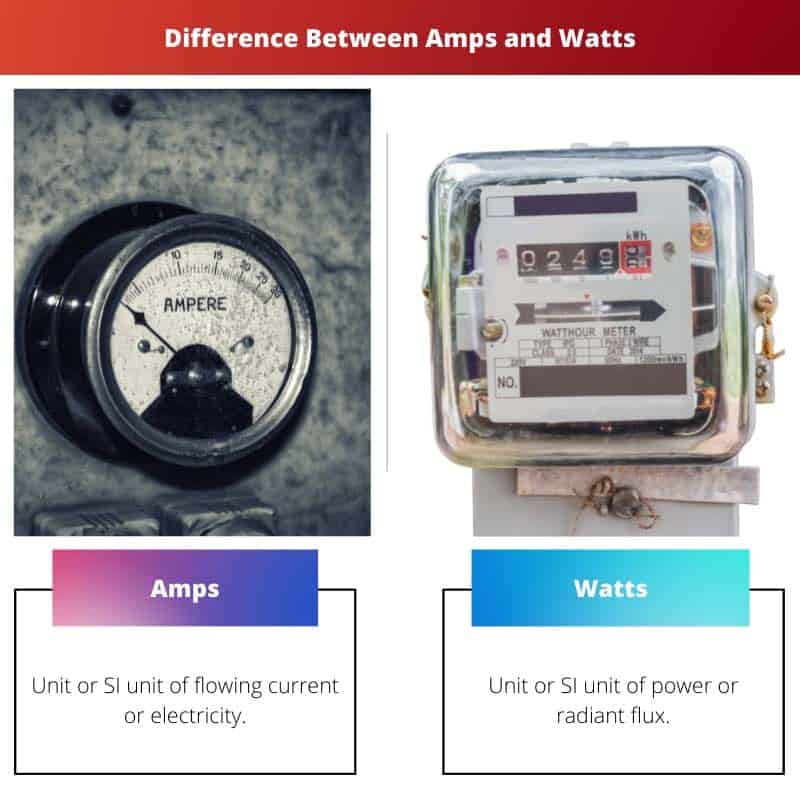
Amps vs Watts: Difference and Comparison
Real-World Examples (With a Touch of Hyperbole!)
Let's say you're charging your phone. Your phone charger might say something like "5V 1A". That means it's using 5 volts of pressure and 1 amp of current. So, the power it's using is 5 volts x 1 amp = 5 watts. Not a huge amount, hence why your phone doesn't suck all the power out of your house.
Now, let's talk about your refrigerator. That beast likely needs a whole lot more watts to keep your food cold. It might draw something like 120 volts and 5 amps. That's 120 x 5 = 600 watts! That's why the power company loves refrigerators – they're always on and always using a decent chunk of power. Okay, maybe "loves" is a strong word, but you get the idea.
Convert Amps to Watts Easily and Accurately: Quick Guide | EcoFlow US
And for the grand finale: imagine a lightning strike! We're talking billions of volts and thousands of amps. That translates to trillions of watts! That's why lightning can vaporize trees and melt metal. (Please do not try to recreate this experiment at home!)
So What? Why Should I Care?
Understanding amps and watts isn't just for electrical engineers. It can help you:
Choose the right appliances: Don't plug a 1500-watt hair dryer into a circuit that's only rated for 10 amps. You'll trip the breaker (or worse!).
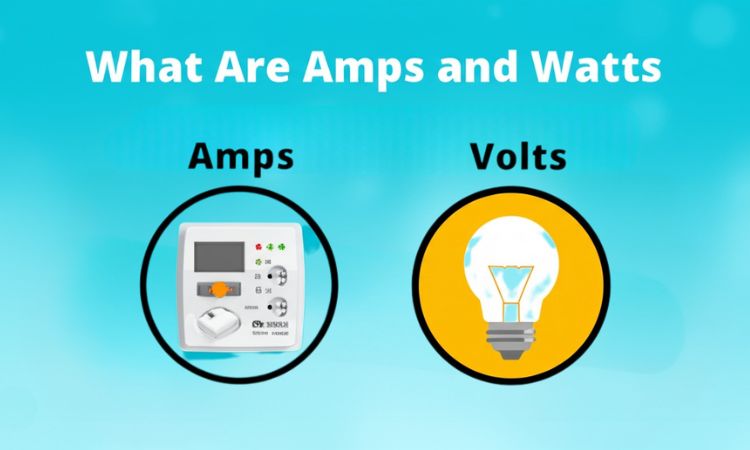
Amperios y vatios - TECNOLOGíA 2025
Save money on your electricity bill: Knowing which appliances use the most power can help you make smarter choices about energy consumption. That old fridge in the garage? Maybe it's time for an upgrade!
Impress your friends: "Hey, did you know that a lightning bolt has trillions of watts?" Instant party conversation starter!
So, the next time you're faced with a wall of electrical jargon, remember our water analogy. Amps are the water flow, watts are the work being done, and volts are the pressure pushing it all along. You've got this! Go forth and conquer the world of electrical understanding! You're practically an electrician now (not really, please consult a professional for any serious electrical work!).