So, you've been dreaming of a place all your own, a cozy nook where you can blast your favorite tunes without judgment, or maybe a backyard big enough for a small herd of very enthusiastic squirrels. Buying a house! It sounds like a grown-up, serious, slightly intimidating quest, doesn't it? Like something out of an ancient scroll, whispered only among those who wear tweed jackets and know big words. But guess what? It’s not a mythical beast, and you don’t need a wizard’s staff or a dragon’s hoard to get started. It’s totally doable, and dare I say, even a little bit fun!
Let's demystify the whole shebang and break down what you actually need to embark on this grand adventure. Prepare to feel empowered, slightly amused, and ready to start planning your housewarming party!
The Money Magic: It's Not All Hidden Under Your Mattress
1. The Mighty Down Payment
This is often the first thing people think of, and sometimes the one that makes them think, "Nope, I'll just live in a very fancy box instead." But hold your horses! While 20% down is the classic golden standard that makes lenders swoon, it's absolutely not the only way to get into a home. Many fantastic loan programs let you put down a lot less – think 3%, 5%, or even 0% in some cases for certain types of loans (like VA loans for our amazing veterans, or USDA loans for rural areas)!
Think of the down payment as your initial investment, your way of saying, "I'm serious about this house!" It's like buying a concert ticket – you put down some money, and then you get to enjoy the show (your new home!). Start saving those pennies; every little bit truly helps.
2. Those Pesky Closing Costs
Ah, closing costs. These are like the hidden fees at the bottom of a restaurant menu – you didn't quite plan for them, but they’re definitely part of the delicious experience! These aren't extra money for the house itself, but rather a collection of fees for all the wonderful people and processes involved in making your home purchase official. We're talking about things like attorney fees, appraisal fees, title insurance, and loan origination fees.
How To Buy An Affordable House at Numbers Mcleod blog
They typically range from 2% to 5% of the loan amount. Don't worry, you'll get a detailed breakdown well before closing so there are no scary surprises. Sometimes, sellers might even contribute to these costs, or you can roll them into your loan in certain situations. Your loan officer is your financial Yoda here!
Your Personal Financial Report Card: The Credit Score Saga
3. The Stellar Credit Score
Your credit score is basically your financial report card. It tells lenders how responsible you've been with borrowing money in the past. Have you paid your bills on time? Do you have a history of managing credit wisely? A higher score (think 700+ is generally considered good, but you can absolutely get a loan with less!) tells lenders you’re a trustworthy borrower. It's like proving you can keep a houseplant alive for more than a week – it shows commitment and reliability!
If your score isn't quite where you want it, don't fret! Gently nudge it upwards by paying bills on time (always!), keeping credit card balances low, and avoiding opening a bunch of new credit accounts right before you apply for a mortgage. It takes time and consistent effort, but the rewards are oh-so-worth it.
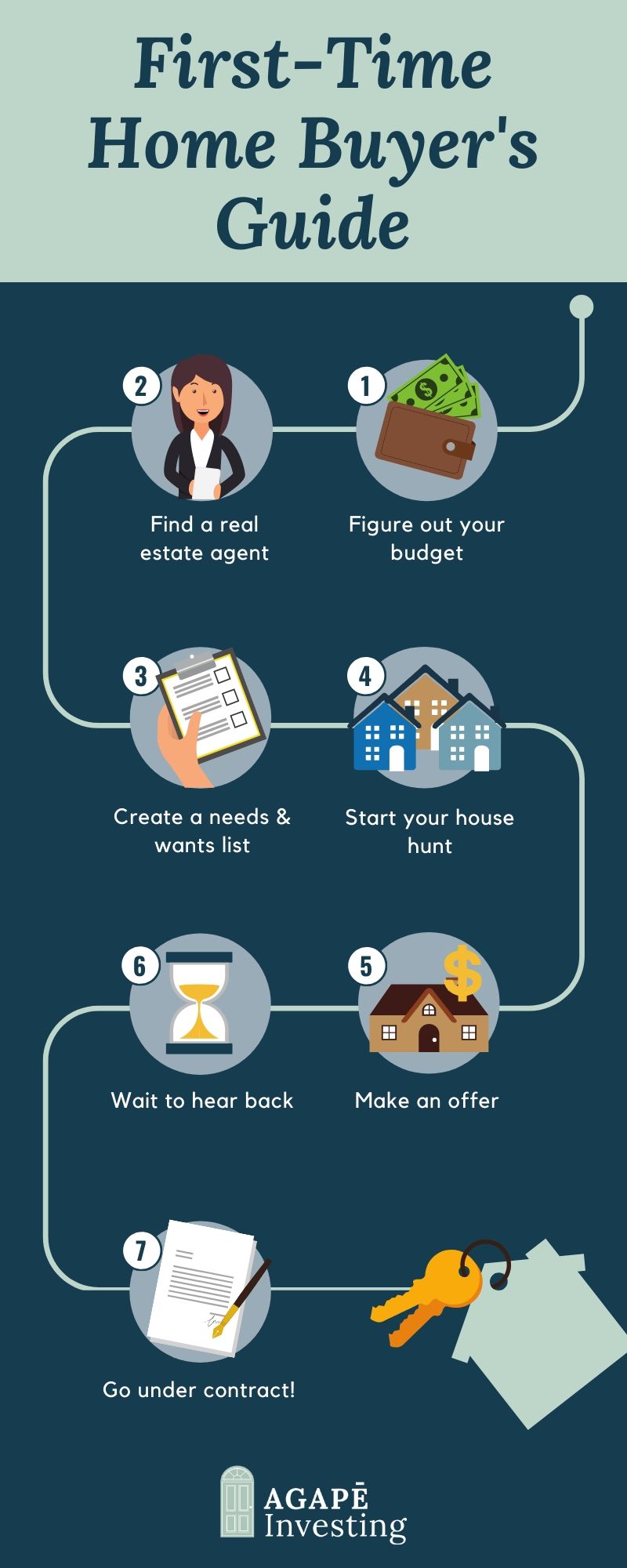
First Time Home Buyer's Guide - Agape Investing
The Steady Ship: Income and Stability
4. A Regular (and Reliable) Paycheck
Lenders want to know that you're not just capable of making your mortgage payments today, but that you'll continue to be capable for the foreseeable future. This means they look for employment stability. Typically, they like to see at least a two-year history of steady employment. This doesn't mean you can't have changed jobs; it just means they want to see a consistent income stream. If you’re self-employed, they’ll usually ask for two years of tax returns. Think of it as proving you can consistently bring home the bacon – or the vegan equivalent, whatever makes your heart sing!
5. The Debt-to-Income (DTI) Ratio: Your Financial Juggling Act
This sounds super fancy, but it's really just common sense. Your debt-to-income ratio (DTI) is a comparison of how much money you earn each month versus how much money you spend on recurring debts (like car payments, student loans, credit card minimums, and yes, your future mortgage payment). Lenders want to make sure you're not going to be stretched too thin. They want you to have enough wiggle room in your budget to live comfortably. Generally, they like to see your total DTI below 43-50%, but this can vary. It's like making sure your car doesn't have more passengers than seats – everyone needs a comfortable spot!
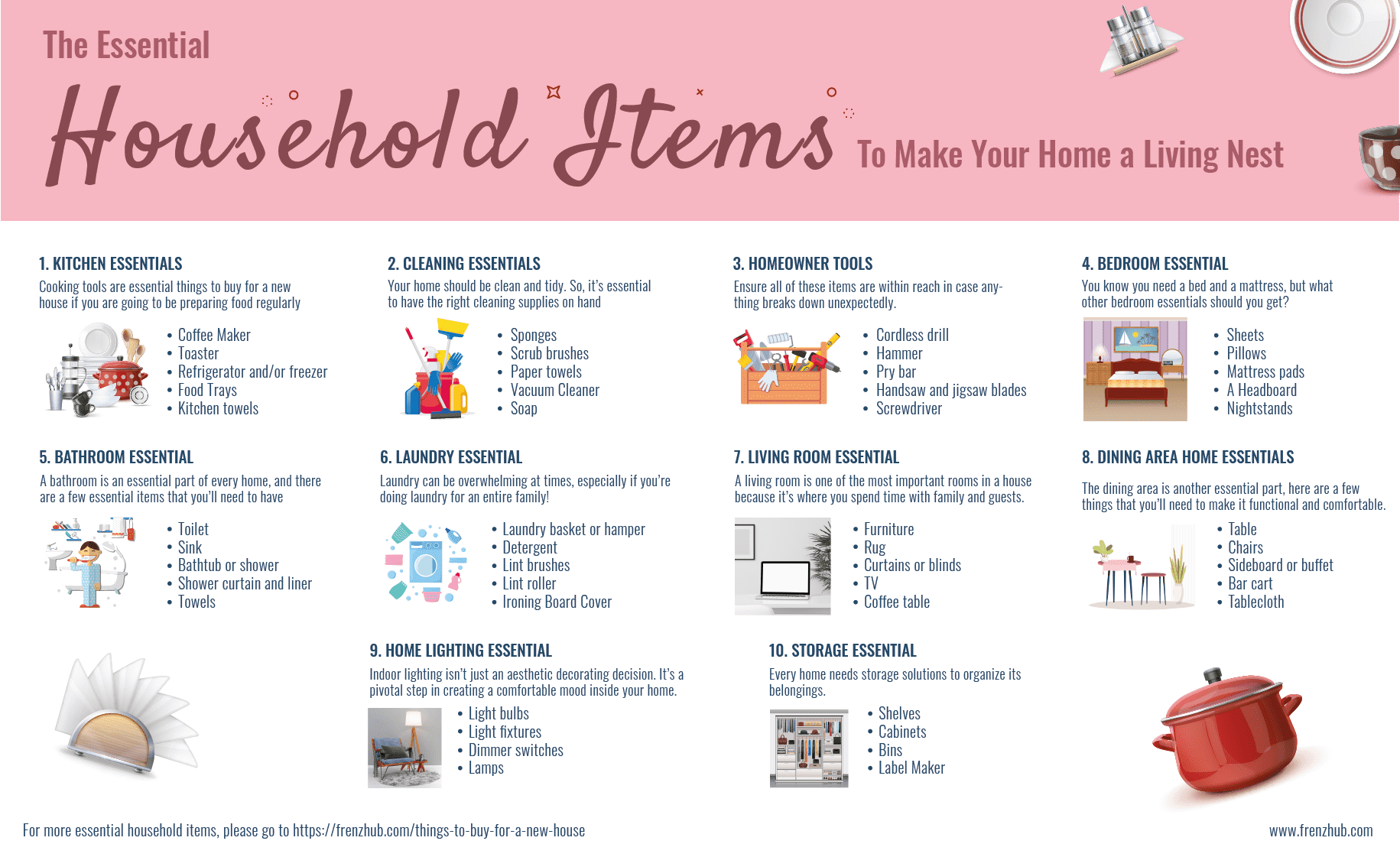
299 Essential Household Things To Buy for a New House
The Golden Ticket: Pre-Approval Power!
6. The All-Important Pre-Approval Letter
Before you even start touring houses and mentally picking out paint colors, get yourself a pre-approval letter from a lender! This isn't a commitment to a loan, but rather a preliminary green light from a lender saying, "Based on your current financial situation, we're likely willing to lend you X amount of money." This little piece of paper is your golden ticket! It shows sellers you’re a serious buyer, and it helps you understand your budget so you don't fall in love with a mansion when your budget is more... cozy cottage. It’s like getting backstage passes to the housing market concert – you get to see the good stuff!
And there you have it! The main ingredients for whipping up a successful home purchase. It might seem like a lot to gather, but each step is completely manageable. Don't feel overwhelmed; instead, feel excited! This isn't just about financial numbers; it's about building your future, creating a sanctuary, and finally having a place where you can decorate exactly how you want (yes, even that giant inflatable flamingo in the living room if that's your vibe!).
Start small, take it one step at a time, and remember that countless people before you have walked this path and emerged with keys in hand and a giant smile. You've got this!