What's It Called When Lights Look Like Stars

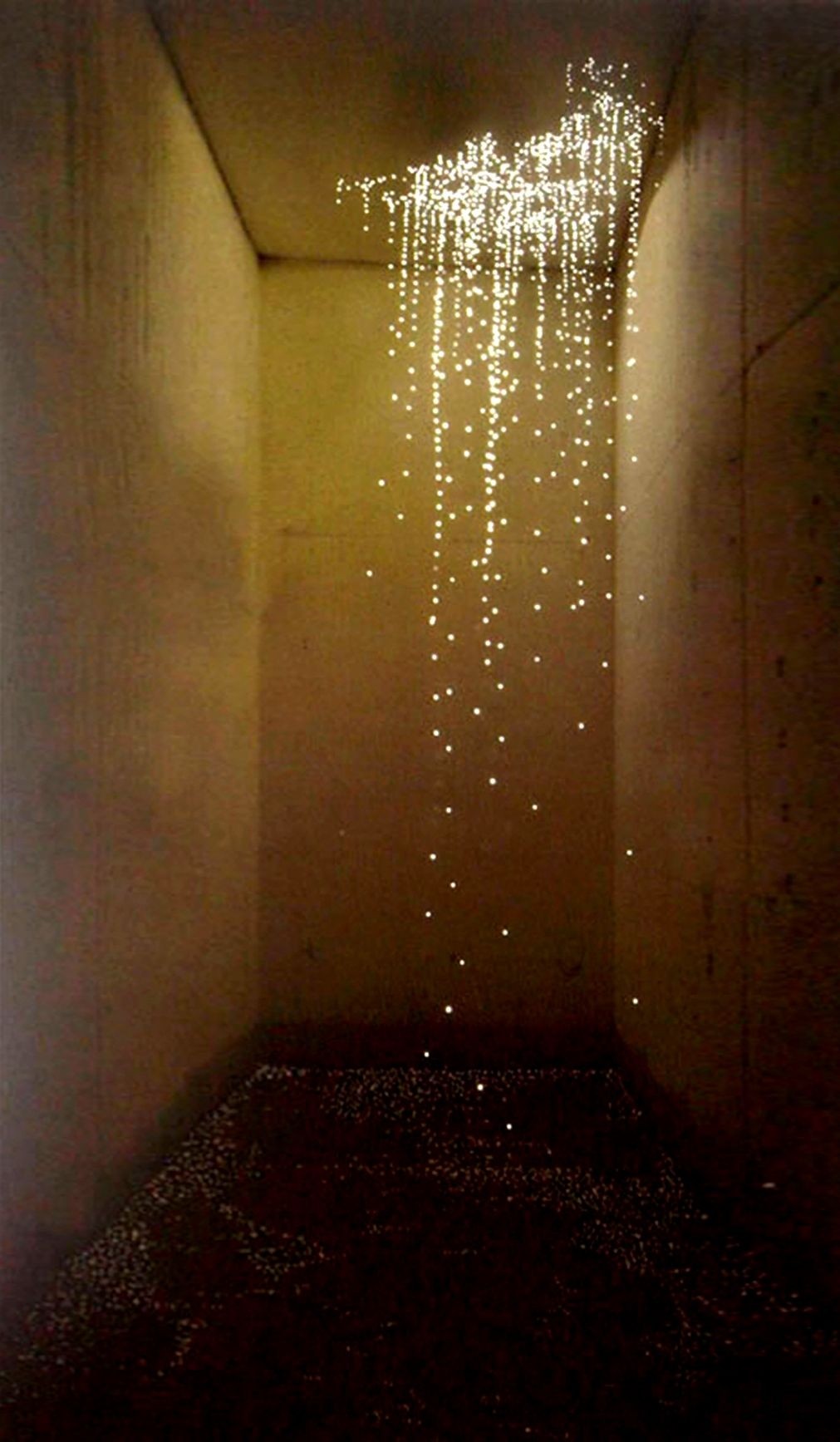
Ever looked up at the night sky and been mesmerized by the twinkling stars? Or maybe you've noticed that same dazzling effect on a beautifully lit Christmas tree, or even the chic lighting in a trendy restaurant? There's something undeniably magical about light that shimmers and sparkles, catching the eye and creating a sense of wonder. But what's the technical term for when lights are designed to look like stars?
Well, the effect we're talking about is often called sparkle, glitter, or, more formally, specular reflection. While there isn't one single, universally agreed-upon scientific term, these words describe the way light interacts with a surface to create that starlike appearance. It's all about the design and the material! The key is having tiny, uneven surfaces that scatter light in different directions. Think of it like millions of tiny mirrors reflecting light at slightly different angles, creating a dazzling, twinkling effect.
The benefits and purpose of this "starry light" effect are numerous. First and foremost, it’s aesthetically pleasing. It draws the eye and adds a touch of elegance, whimsy, or drama to any setting. In retail, sparkling lights can highlight products and make them more appealing. Think of jewelry displays, cosmetic counters, or even holiday decorations. The glitter effect helps catch the customer's eye and draw them in. In homes, these types of lights can create a relaxing and inviting atmosphere, perfect for cozy evenings or festive gatherings.
Must Read
You see this sparkly effect everywhere! Christmas lights are a classic example, using faceted bulbs to create individual points of light. Many chandeliers and pendant lights are designed to maximize specular reflection, using crystals or textured glass to scatter light. Even things like glitter paint, sequined clothing, and holographic materials rely on this principle to create their shimmering effects. And let's not forget the software developers who use the "glow" or "bloom" effect in video games to simulate the bright twinkle of distant stars or magical artifacts.
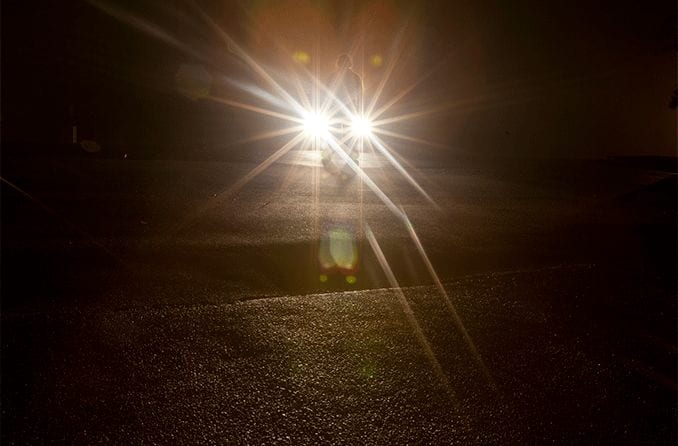
So, how can you enjoy this light effect more effectively? Here are a few practical tips:
- Consider the context: A little sparkle can go a long way. Think about the overall mood you're trying to create. A subtle shimmer might be perfect for a romantic dinner, while bolder glitter is more appropriate for a party.
- Experiment with different types of lights: LED lights, incandescent bulbs, and even candles can produce different types of sparkle. Play around to find what you like best.
- Pay attention to surfaces: The surface the light reflects off of is just as important as the light source itself. A mirrored surface will amplify the effect, while a matte surface will dampen it.
- Think about placement: Placing lights strategically can enhance the sparkle. Try positioning them to catch the light from windows or other light sources.
Next time you see that beautiful shimmering light, remember it's all about specular reflection and the clever use of surfaces to create a delightful visual experience. Whether you call it sparkle, glitter, or something else, that starlike effect has the power to brighten our day and add a touch of magic to the world around us.