
What Would Cause Carbon Monoxide Alarm To Go Off

Alright, picture this: You’re snuggled up on the couch, maybe binging your favorite show, or perhaps you’re dreaming sweet dreams of unlimited pizza. Suddenly, a sound rips through the tranquility of your home. It’s not your phone. It’s not the cat knocking over another priceless heirloom. It’s that high-pitched, insistent, utterly soul-jarring BEEEEEEEEP that screams, “DANGER, WILL ROBINSON!”
Your carbon monoxide alarm has gone off. Cue the instant panic, the heart-pounding rush of adrenaline, and the inevitable question: What in the ever-loving heck just happened?!
Let’s decode this mystery, shall we? Grab a metaphorical coffee, because we’re about to dive into the surprisingly quirky (and sometimes downright alarming) reasons your CO detector might be throwing a tantrum.
Must Read
The Silent Stalker: What Is CO, Anyway?
First, a quick reality check: Carbon monoxide, or CO, is the undisputed heavyweight champion of invisible, odorless, tasteless gases. It’s like the ninja of dangerous atmospheric elements. You can’t see it, smell it, or taste it, but it can quickly make you feel super sick, and in worst-case scenarios, it's seriously bad news. That’s why that little alarm is your home’s tiny, vigilant superhero.
It’s created whenever fuels like gas, oil, kerosene, wood, or charcoal burn incompletely. Think of it as a byproduct of combustion gone rogue.
The Usual Suspects (And Their Dramatic Entrances)
Most of the time, when your CO alarm decides to make a fuss, it’s because one of your home’s hardworking appliances is having a bit of an existential crisis. Or perhaps, a full-blown meltdown.

Your Grumpy Old Furnace (or Water Heater)
Imagine your furnace as an old man who’s been working tirelessly for years. Sometimes, he gets a little…backed up. If your furnace, water heater, or boiler isn't properly maintained or its exhaust vent gets blocked (hello, squirrel family moving in!), it can start venting CO into your home instead of safely outside. It’s like it’s saying, “I’m tired! And I’m taking my exhaust fumes with me!”
The Chimney’s Secret Life (and Blockages)
Ah, the cozy fireplace. A romantic evening, a crackling fire… and then, the alarm. If your chimney flue is blocked by a bird's nest, creosote buildup, or maybe even a particularly ambitious spider colony, the smoke (and CO) has nowhere to go but back into your living room. It's less "romantic ambiance" and more "invisible gas cloud."
Gas Stoves, Ovens, and Dryers: They Have Feelings Too
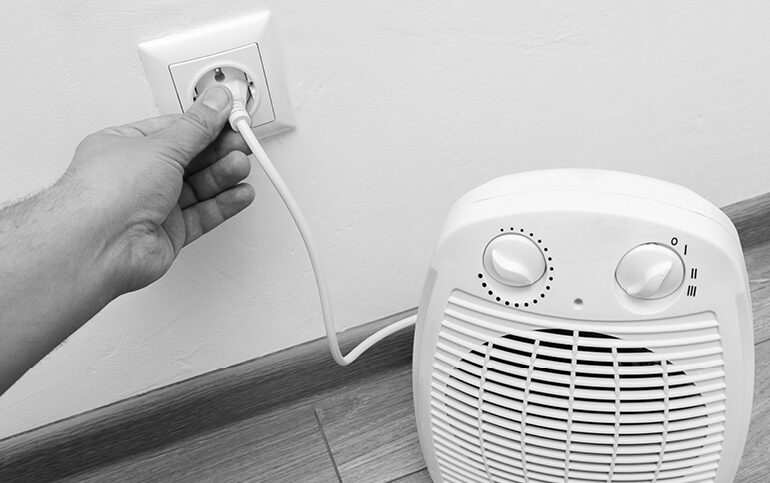
Your gas range is usually a culinary companion, but if its burners are clogged, or it's not combusting gas efficiently, it can become a CO culprit. Same goes for your gas clothes dryer! If its vent is plugged with lint (a common, yet often forgotten hero of home hazards), it can't properly expel those exhaust gases. It's like trying to sneeze with a blocked nose – messy, and not ideal.
The "Wait, What?!" Causes (Because Life Is Full Of Surprises)
Sometimes, the CO alarm goes off for reasons that make you scratch your head and wonder if your house is playing a prank on you.
Grilling Indoors (Don’t Do It!)
Okay, this one might sound like a joke, but never, ever bring a charcoal grill, propane grill, or even a portable camping stove indoors. Not even in the garage with the door open! These things are designed for outdoor use because they produce massive amounts of CO. The alarm isn’t being dramatic here; it’s literally saving your life from your misguided culinary adventures. You might want to grill year-round, but your lungs definitely don't.
Idling Cars in the Garage (A Classic No-No)
Just warming up the car on a cold morning? If that garage door is closed, or even partly closed, your car’s exhaust quickly fills the space with CO. It then seeps into your house. Your car might be feeling cozy, but your brain won't be.
Generators During a Power Outage (Use With Extreme Caution)
When the power goes out, generators are lifesavers. But they must be used outside, far away from windows and doors. People often bring them into a garage or even a basement during bad weather, thinking it’s safer. It’s not. It’s a fast track to CO poisoning. Your alarm is screaming, “Put me outside, you silly human!”
The False Alarms (Or Just Old Age)
Sometimes, your alarm might be crying wolf, or simply getting old and cranky.
Dust Bunnies and Tiny Invaders
Believe it or not, excessive dust, spider webs, or even tiny insects crawling into the sensor can sometimes trigger an alarm. It’s like a tiny, buggy rave party inside your detector, setting it off accidentally. A quick blast of canned air might solve this, but always treat a real alarm seriously first!
It’s Just Old!
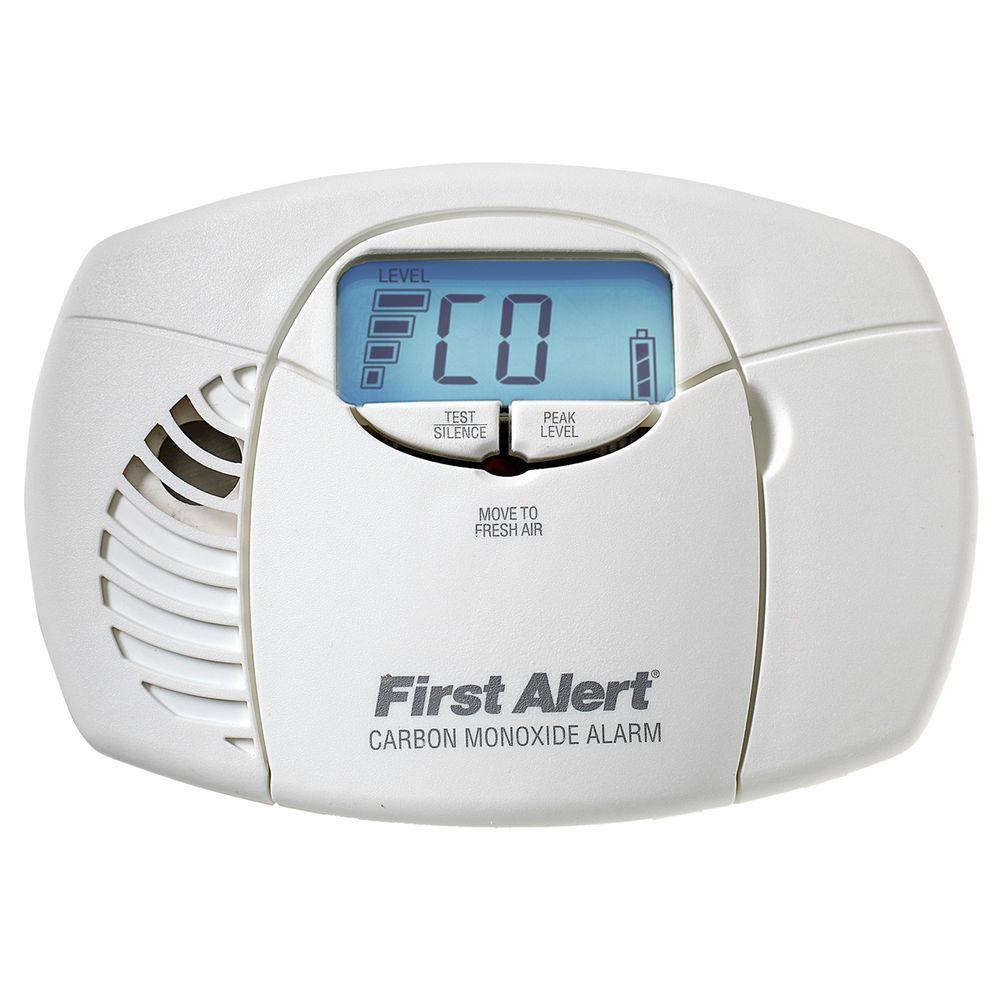
Most CO alarms have a lifespan of about 5-7 years. After that, their sensors degrade, and they might start giving false alarms or, even worse, stop working altogether. If your alarm is beeping sporadically and it’s past its prime, it might just be politely (or not-so-politely) telling you it's time for retirement. Check the manufacturing date on the back!
So, What Do You Do When It Screams?
First and foremost: Don't ignore it. Ever.
- Get Out: Immediately move everyone (and pets!) outside to fresh air.
- Call for Help: Once outside, call 911 or your local fire department. They’re equipped to test for CO.
- Don't Go Back In: Wait for emergency services to give you the all-clear.
It’s always better to be safe than sorry. Your CO alarm might be a loudmouth, but it’s a loudmouth with your best interests at heart. Keep it maintained, understand its quirks, and you’ll keep your home safe from that invisible ninja!