
What Wire Do You Use For Outlets

Ever wonder about the secret life of your walls? What's humming behind the drywall? What silent heroes deliver juice to your phone charger, your toaster, or that awesome LED lamp? We're talking about wires, baby! Specifically, the ones that power your everyday outlets. It’s not just a bunch of random spaghetti. Oh no, it’s a whole sophisticated, sparkly system!
You might think, "Wire is wire, right?" Wrong! Choosing the right wire for outlets is like picking the perfect shoe for an adventure. You wouldn't wear flip-flops to climb Mount Everest, would you? (Unless you're truly wild, but that's another article.)
The Mighty Copper Heartbeat
First up, what's inside? Mostly, it's copper. Shiny, reddish-brown, and a fantastic conductor. Copper has been doing the electricity dance for ages. It's like the rock star of electrical conductivity. It lets those electrons zoom through with minimal fuss. Plus, it's pretty durable. Good stuff!
Must Read
Size Matters (Seriously!)
This is where it gets fun and a little quirky. Wires are measured in "gauge." Think of it like a garden hose. A smaller number gauge means a thicker wire. Confusing, right? It's like a reverse beauty pageant. The less glamorous number means more muscle!
For most standard home outlets, you'll typically see two main contenders:
-
14-gauge wire: This is your everyday workhorse. It's usually paired with a 15-amp breaker. Perfect for general lighting circuits, bedrooms, living rooms. Think lamps, TVs, charging phones. It’s like the reliable sedan of the wire world. It gets the job done smoothly.

Image result for wiring outlets | Outlet wiring, Electrical wiring -
12-gauge wire: Now we're talking a bit more oomph! This thicker wire teams up with a 20-amp breaker. Where do you find it? Kitchens, bathrooms, laundry rooms, garages. Anywhere you plug in things that need a bit more juice. Toasters, microwaves, hair dryers, power tools. It's the SUV, ready for heavier lifting. Plugging a monster blender into a 14-gauge circuit? You might trip a breaker. The wire simply can't handle the current without getting hot. And hot wires are not fun!
The main takeaway? Thicker wire (smaller gauge number) means it can handle more power. It’s all about preventing overheating, which is the electrical system’s grumpy warning sign.
The "Romex" Reveal
You won't just see bare copper snaking through your walls (unless something's gone terribly wrong!). Wires come bundled up in what we often call "cable." For residential wiring, you’ll frequently hear the term NM-B cable. But everyone just calls it "Romex." Sounds like a cool robot, right?

This Romex cable is a non-metallic sheath that holds several individual wires together. It's protective, tidy, and keeps everything safe and sound. It's like the ultimate bodyguard for your precious electrons.
The Colorful Cast of Characters
Inside that Romex cable, you'll find a rainbow of colors. And no, it’s not just for pretty looks. Each color has a super important job!
-
Black wire (or sometimes red): This is your hot wire. It carries the power from the breaker panel. It’s the energizer bunny, full of pep and ready to go!
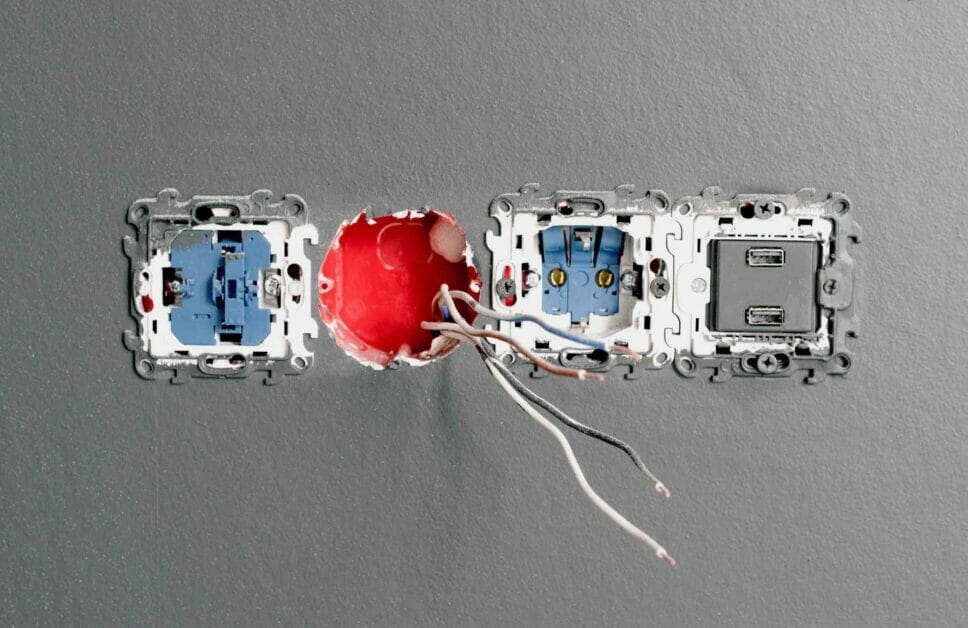
How to Wire Outlets in Series (Wiring Basics) -
White wire: This is your neutral wire. It carries the power back to the panel, completing the circuit. Think of it as the return path, bringing everyone home after a busy day.
-
Green or bare copper wire: This is your ground wire. The unsung hero! It's a safety net. If there's an electrical fault, this wire provides a safe path for excess electricity to go, preventing shocks or fires. It’s like the emergency exit, always there just in case.
So, when you look at an outlet, those three holes correspond to these three wires! The big round one? That's your ground. The two vertical slots? One hot, one neutral. Mind. Blown.

Why Is This Even Fun?
Because it's the invisible infrastructure that makes modern life possible! Think about it: every time you flip a switch, charge a device, or zap a burrito, there’s a symphony of electrons dancing through these specific wires. They're silently working, day in and day out, to bring you convenience and comfort.
It's a testament to clever engineering. The right wire ensures your house doesn't turn into a giant toaster oven. It’s why you can plug in a hair dryer without fear (well, mostly!). The hidden world of wires is surprisingly cool. They're the veins and arteries of your home, pumping lifeblood (electricity!) to every corner.
So next time you plug something in, give a little nod to those unsung heroes behind the wall. The 14-gauge, the 12-gauge, the copper, the colorful insulation, and the Romex bodyguard. They’re all playing their part in the grand electrical ballet!
Just remember, if you’re ever tempted to get hands-on with wiring, always consult a qualified electrician. Electricity is a powerful friend, but a dangerous foe if not respected!