What Will The Paris Agreement Do
Ever gazed at a stunning sunset, breathed in crisp mountain air, or watched your kids splash happily in the ocean, and wished it could all last forever? Many of us instinctively cherish our planet, understanding deep down that its health is inextricably linked to our own. That shared desire to protect our beautiful home is precisely what the Paris Agreement taps into – it's less a dry legislative document and more a global rallying cry, a collective promise for a better, more stable future. Think of it as humanity's grand plan to keep our favorite spots from disappearing and our air breathable for generations to come.
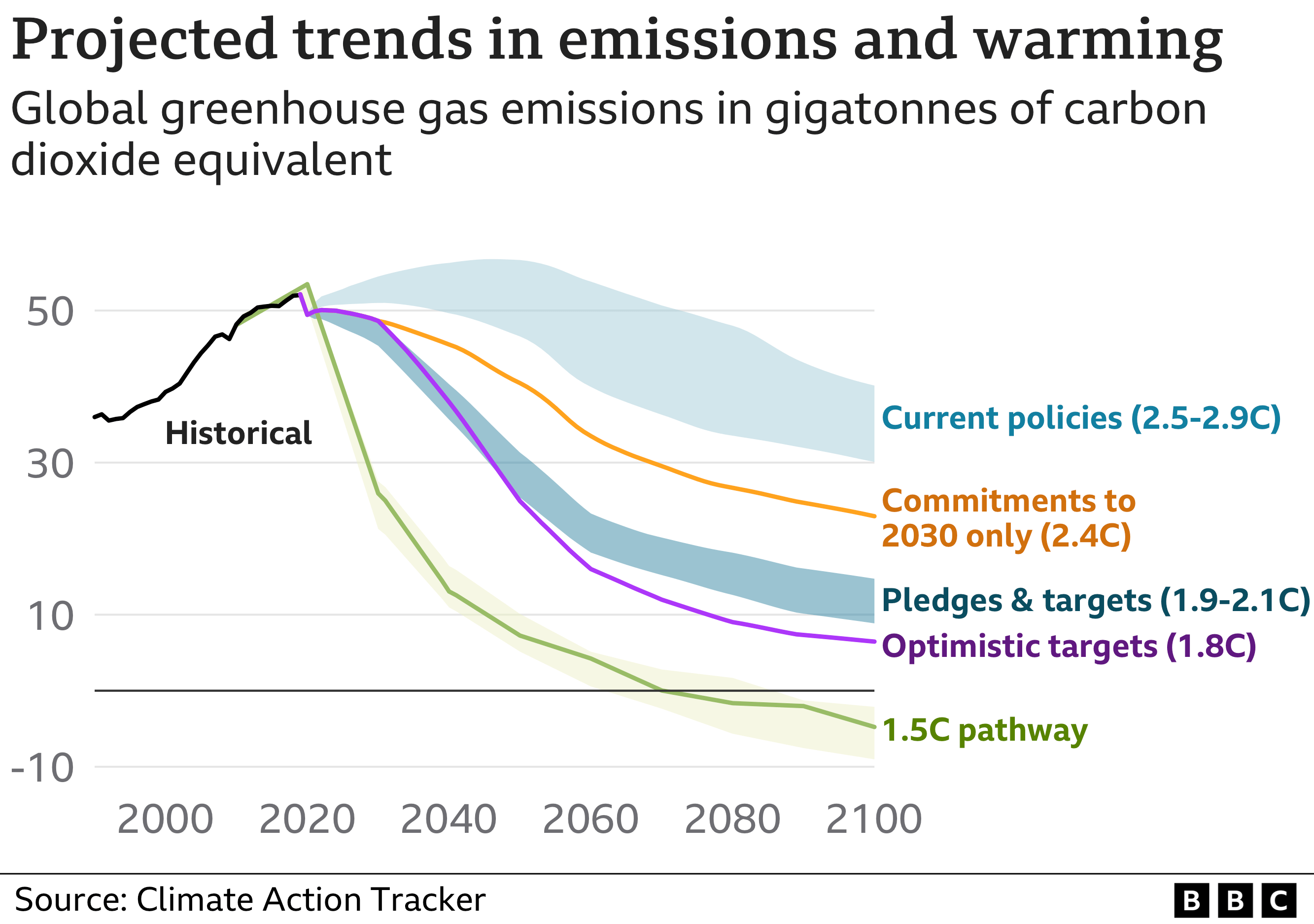
So, what exactly does this monumental accord do for your everyday life? At its core, the Paris Agreement is our planet's global insurance policy. Its primary purpose is to dramatically curb greenhouse gas emissions, aiming to keep global warming well below 2 degrees Celsius above pre-industrial levels, and ideally, limit the increase to 1.5 degrees Celsius. Why these numbers? Because crossing these thresholds risks unleashing devastating, irreversible climate impacts – think more extreme heatwaves, rising sea levels engulfing coastal cities, prolonged droughts, and intensified storms. By working to prevent these scenarios, the Agreement ensures more stable food supplies, healthier ecosystems, cleaner air for our lungs, and ultimately, a more predictable and secure future for everyone. It’s about safeguarding the very foundations of our well-being and economic stability.
How does this global promise manifest in the real world? The Paris Agreement isn't a top-down mandate; it's a bottom-up, country-driven approach. Each nation submits its own "Nationally Determined Contribution" (NDC), essentially a voluntary but ambitious pledge outlining how they will reduce emissions and adapt to climate change. These can include everything from investing heavily in renewable energy like solar and wind farms, phasing out fossil fuels, protecting vast forests that absorb carbon, developing electric vehicle infrastructure, or improving energy efficiency in homes and businesses. Every five years, there’s a critical "Global Stocktake" where countries assess collective progress, ratchet up their ambitions, and learn from each other's successes and challenges. It's a continuous, evolving effort where accountability is built into the system, pushing nations to do more.
Must Read
To truly "enjoy" and contribute to the spirit of the Paris Agreement more effectively, get curious and stay informed. Understand what your country's NDC entails and hold leaders accountable for their commitments. On a personal level, while the big changes are systemic, your choices matter too. Support businesses committed to sustainability, reduce your energy consumption, embrace public transport or cycling, and consider your dietary footprint. Most importantly, talk about it! Engage in conversations with friends and family about why a stable climate matters to you. By understanding the collective endeavor and playing your part, you're not just reading about a global agreement; you're actively participating in the most crucial project of our time: securing a thriving planet for all.