
What Will Happen If We Put Silica Gel In Water
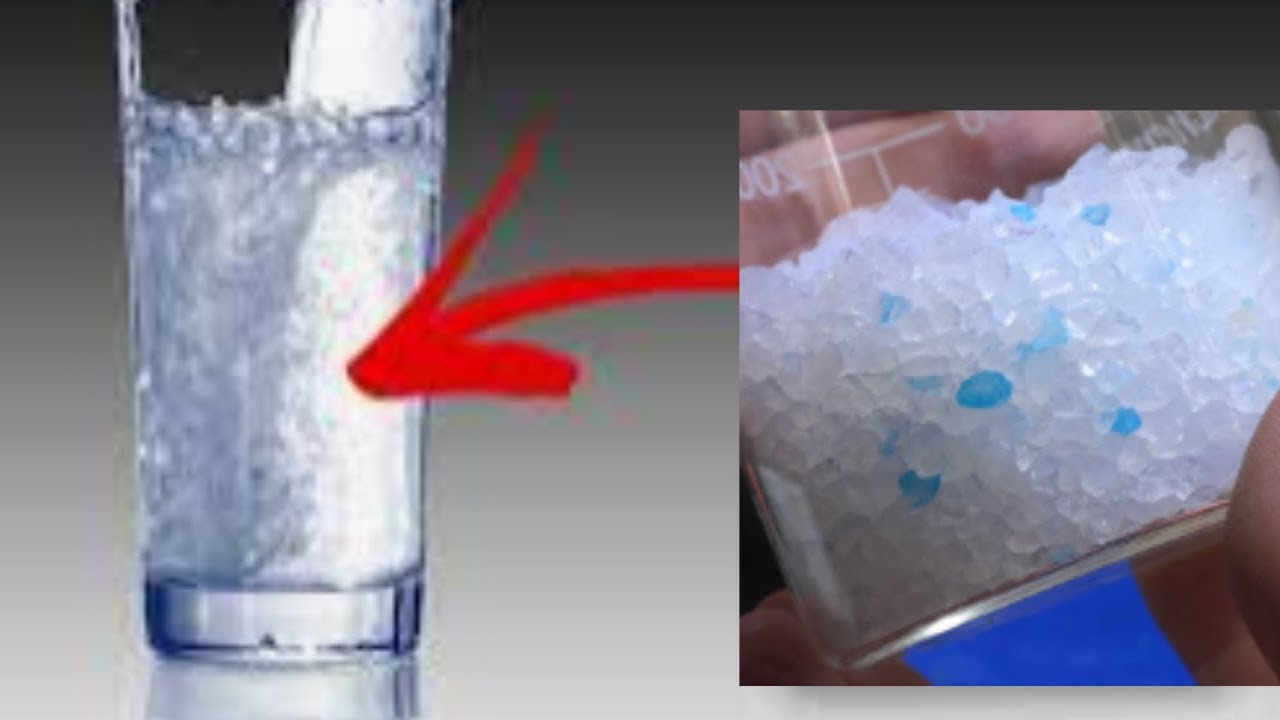
Ever wondered what would happen if you tossed one of those little silica gel packets – you know, the ones that say "DO NOT EAT" in big, shouty letters – into a glass of water? I mean, besides maybe feeling a little rebellious? Let's dive in and find out! It's more interesting than you might think!
First things first: What is silica gel, anyway? It's not a gel like hair gel or jelly. Think of it more like super-thirsty little sponges made of silicon dioxide, which is the same stuff as sand. They're incredibly porous, which means they have a ton of tiny holes, making them perfect for absorbing moisture.
So, what happens in the water?
Okay, drumroll please... Not much, actually! At least, not in a dramatic, exploding-volcano kind of way. You won't be turning your water into some weird science experiment gone wrong. But that's the cool part – the lack of reaction tells us something!
Must Read
Think of it like this: Imagine dropping a sugar cube into water. It dissolves, right? That's a chemical change. Now, imagine dropping a pebble into water. It just… sits there. That's more like what happens with silica gel.
Here's the breakdown:

- No Fizzing or Bubbling: Silica gel doesn't react chemically with water. No exciting bubbling or hissing sounds, I'm afraid.
- No Dissolving: Those little beads aren't going to magically disappear. They'll just chill at the bottom of your glass, maybe looking a little sad.
- Water Might Get Cloudy: If the silica gel beads have a lot of dust or small particles on them, those might wash off and make the water look a bit murky for a while. Nothing harmful, just a little visual disturbance.
- The Silica Gel Does Its Job: The biggest thing that happens is that the silica gel starts absorbing water! That's its superpower. But because the amount of water in your glass is way more than those tiny beads can handle, you won't see any dramatic changes.
It’s not going to change the flavor of your water, or make it unsafe to drink (though I definitely wouldn't recommend drinking the beads themselves – remember, "DO NOT EAT"!).
Why is this actually kind of cool?
The fact that silica gel doesn't react violently with water is precisely why it's so useful! It's inert, meaning it's not easily going to cause a chemical reaction. That's why companies can safely include it in packaging to protect sensitive items from moisture damage. Think about it: You wouldn't want a packet that explodes when exposed to humidity!

Think of it this way: Silica gel is like the quiet, reliable friend who always has your back. It's there to soak up the moisture and keep your electronics, leather goods, or medications safe and dry, without causing any drama.
So, what can you do with silica gel?
Besides its primary function of absorbing moisture, there are some neat little life hacks involving silica gel. For example:

- Revive a wet phone: If you accidentally drop your phone in water, burying it in a bag of silica gel can help draw out the moisture and potentially save it. (Rice works too, but silica gel is usually more effective!)
- Keep your gym bag fresh: Toss a few packets in your gym bag to absorb sweat and prevent odors.
- Protect your photos: Store silica gel packets with your old photos to prevent moisture damage and keep them looking their best.
Basically, anywhere you need to control humidity, silica gel can be your friend.
The Final Verdict
So, putting silica gel in water isn't going to create a science fair spectacle. But it's a testament to its inert nature and its ability to absorb moisture without causing any harm. It’s a reminder that sometimes the most useful things are the ones that don't react – they just quietly, efficiently do their job. And isn't that something to appreciate? Plus, now you know – and knowing is half the battle! Go forth and impress your friends with your silica gel knowledge!
Just remember: Don’t eat it!
