
What Way To Turn Fans In Summer
Summer is here, folks! And with it comes that age-old question, as predictable as sunburn and melting ice cream: how do I stay cool? We all have our trusty fans, those whirling wonders that promise a whisper of relief. But have you ever stopped to think, really think, about which way they should be spinning? Or where they should be pointing to actually do the most good?
It sounds simple, right? Just plug it in and press 'on'. But delve a little deeper, and you find a surprisingly cool world of airflow physics hiding in plain sight. It's not just about moving air; it's about moving air smartly. Let's unpack this breezy mystery, shall we?
The Ceiling Fan Conundrum: Up or Down?
First up, let's talk about those majestic overhead spinners – ceiling fans. These guys are the subtle air traffic controllers of your room. And here's where it gets interesting: they actually have two distinct modes, a summer mode and a winter mode. Mind blown, right?
Must Read
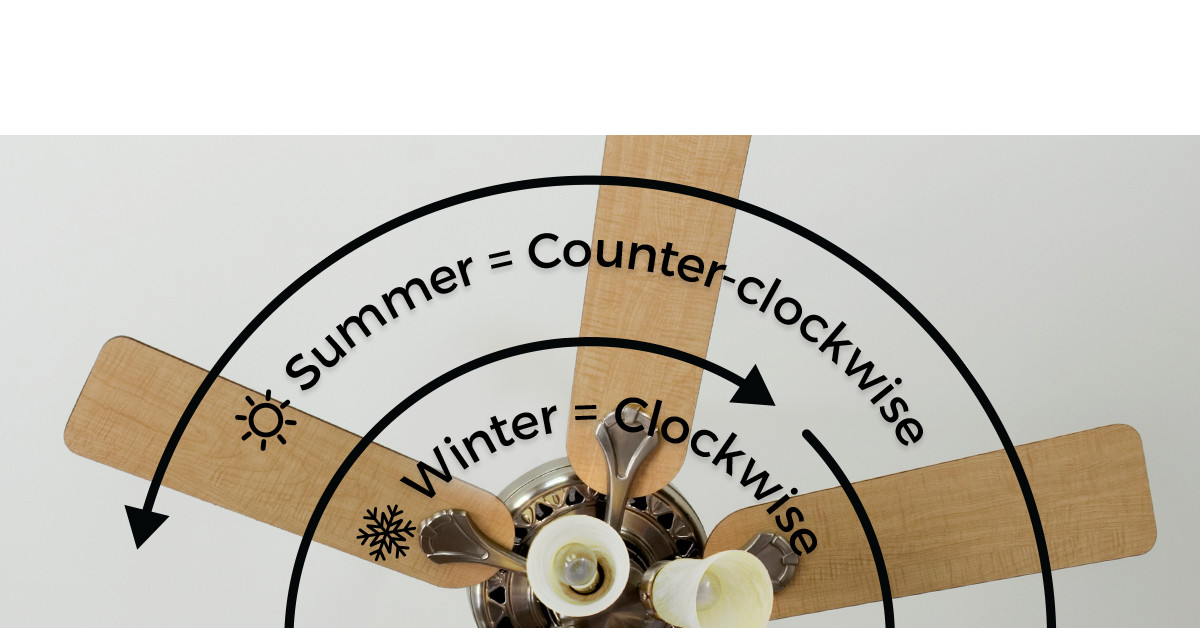
In summer, you want your ceiling fan to create a lovely, cool breeze. To do this, it needs to be spinning counter-clockwise. Imagine standing under it; the blades should be pushing the air downwards, directly onto you. This creates what we call a "wind chill" effect. It's not actually lowering the temperature of the room, but it makes you feel cooler by evaporating sweat from your skin. Think of it like a tiny, personal breeze following you around – without the need for a magic leaf.
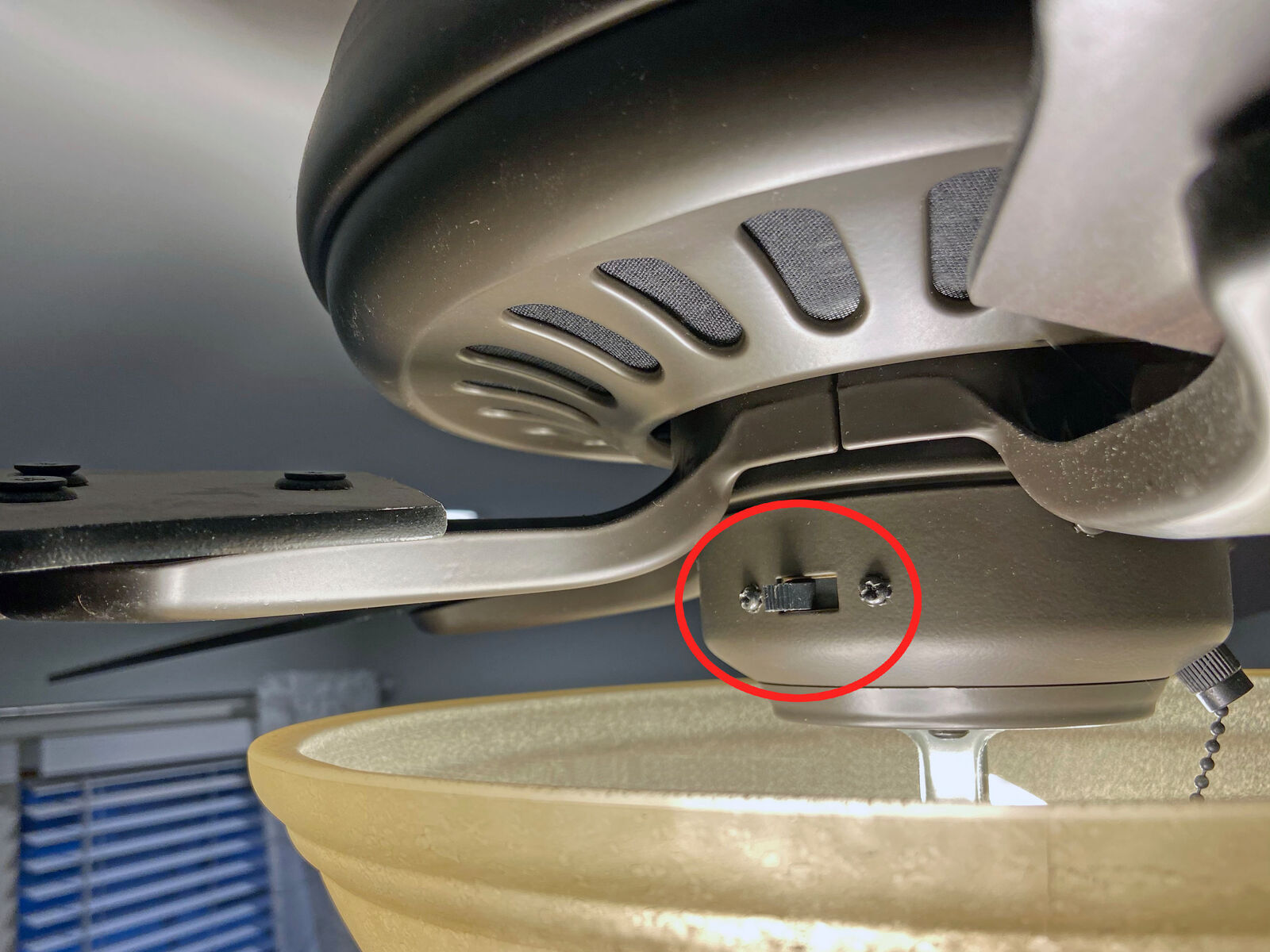
You can usually find a small switch on the body of the fan that reverses the blade direction. Give it a flick, and watch the magic happen! Suddenly, your room feels a touch more bearable. It's a small adjustment, but oh-so-satisfying when you get it right.
Box and Pedestal Fans: Your Versatile Allies
Now, what about our portable pals, the box and pedestal fans? These are your mobile warriors against the heat, and their strategy depends entirely on what you're trying to achieve. They're like the multi-tool of home cooling.
Strategy 1: The Personal Breeze
The most straightforward method? Point it directly at yourself! If you're chilling on the couch or working at your desk, a fan blowing right on you is a no-brainer. It delivers that instant, refreshing hit of moving air. It's your personal air conditioner, in a way, just without the actual cooling magic. This is pure, unadulterated comfort on demand.
Strategy 2: The Exhaust Fan – Pushing Hot Air Out
This is where things get a bit more strategic. Imagine your room is a hot, stuffy box, full of stagnant, warm air. You want that air out. So, try placing your fan near an open window, facing outwards. The fan will literally push the hot air right out of your house. It's like giving your room a gentle, continuous exhale. This is especially effective in the evenings when the air outside might be cooler than the air inside, helping to flush out the day's heat.
Think of it as setting up a tiny air current to sweep away the warmth. It's surprisingly effective for clearing out a stuffy room before bedtime.
Strategy 3: The Intake Fan – Pulling Cool Air In
Conversely, what if the air outside is actually cooler than the air inside? This often happens during summer nights or early mornings. In this scenario, place your fan near an open window, but this time, have it face inwards. It will actively pull that delicious, cooler outdoor air into your home. It's like inviting a refreshing guest into your living space, making your home feel noticeably fresher.

This strategy is all about leveraging temperature differences. Be a temperature detective! If it's cooler outside, bring that goodness in. If it's hotter outside, push your internal heat out.
Strategy 4: The Cross-Breeze Master
Want to feel like a true airflow wizard? Combine a few fans to create a cross-breeze. Place one fan pushing cool air in from one window, and another fan exhausting hot air out from a window on the opposite side of the room or house. You're essentially creating your own natural wind tunnel. This can be incredibly effective for circulating air throughout multiple rooms or a larger space. It’s like orchestrating a symphony of breezes!
It sounds a bit complex, but once you try it, you'll feel the difference. It turns your home into a dynamic, breathable space rather than a static oven.

Why Does Any of This Matter? It's All About "Feels Like"
It's important to remember that fans don't actually cool the air in your room. An air conditioner does that. What a fan does is move air across your skin, helping to evaporate sweat. And as sweat evaporates, it takes heat with it, making you feel cooler. It’s all about the perceived temperature. So, understanding how to best move that air is key to maximizing that refreshing sensation.
So, the next time you reach for that fan switch this summer, take a moment. Pause. Consider the temperature inside, the temperature outside, and what you're trying to achieve. Are you pushing? Pulling? Directing? Reversing? It's a fun, tiny puzzle to solve every day, and finding the optimal solution can make a surprising difference in your comfort.
Who knew such a simple appliance held so much power to transform your summer comfort? Now you do! Go forth and cool, intelligently!