
What Way Does The Ceiling Fan Go In The Winter
Ever stared up at your ceiling fan in the dead of winter, wondering if it's just...sitting there, mocking you with its summery vibes? Or maybe you’ve heard a whisper – a legend, almost – about reversing the blades. But does that actually do anything? And if so, why? Let’s dive in and get to the bottom of this swirling mystery!
Summer vs. Winter: A Tale of Two Spins
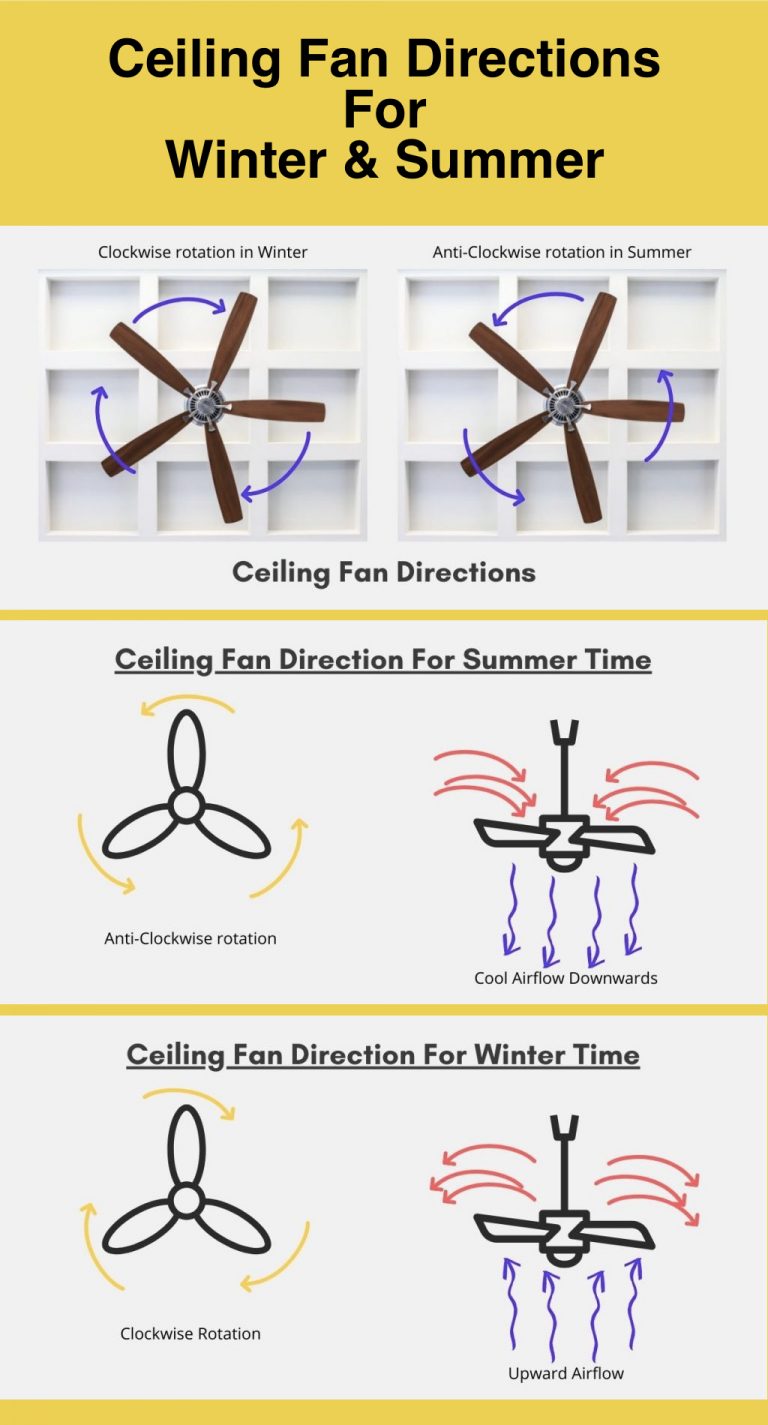
Think about it. In the summer, we want that glorious downward breeze. That's the fan working in its default mode, pushing air directly down to cool us off. It’s like having your own personal miniature hurricane… a very gentle, pleasant hurricane, of course.
But winter? We're not exactly craving that icy blast. That’s where reversing the fan’s direction comes into play. It's like switching from a refreshing waterfall to a gentle, warming current.
Must Read
But why does changing direction even matter?
The Warm Air Balloon: Understanding Heat Rises
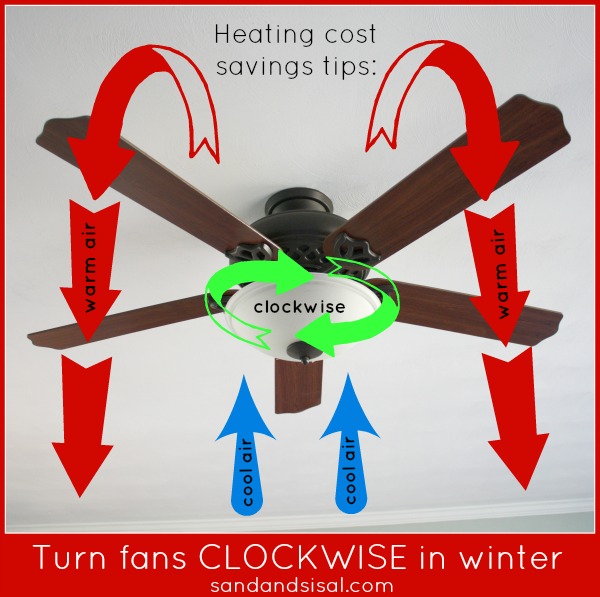
Hot air rises. It’s practically a law of physics. Think of it like a stubborn balloon, always wanting to float to the highest point. In our homes, that means all that lovely, expensive warm air generated by your furnace (or fireplace, or space heater) ends up clinging to the ceiling, doing… well, not much good for you down where you're actually living.

Here's where the reversed ceiling fan becomes our superhero. When you switch the fan to rotate clockwise (when looking up at it, it may appear counter-clockwise from below), it gently pushes that trapped warm air down along the walls. It's not creating a wind chill effect like in the summer. Instead, it's redistributing the heat. It's like sending a tiny team of air-moving elves to nudge that warm air off the ceiling and back into your living space.
How to Tell if You're Doing It Right: The "Not Feeling a Draft" Test
The goal isn't to create a noticeable breeze. You shouldn’t feel a wind at all. If you do feel a draft, the fan is probably spinning too fast. You want it on a low, gentle setting – think of it as a very slow stir, not a frantic whisk.
A good way to test is to stand directly under the fan. Do you feel anything? If so, turn the speed down. The sweet spot is when you feel absolutely nothing but maybe a slight difference in temperature over time. That’s the magic at work!
Is This Just a Myth? BUSTED!
Okay, so you might be thinking, "This sounds too good to be true. Is this just some old wives' tale?" Nope! While the effect isn't as dramatic as running the AC in the summer, it absolutely makes a difference. We're talking about reclaiming trapped heat, which translates into less work for your heating system and potentially lower energy bills. Who doesn’t love saving money?
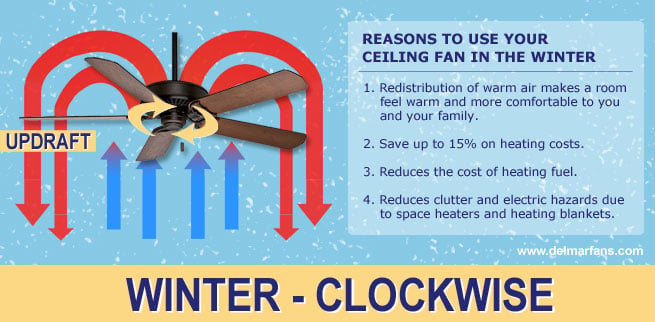
Think of it like this: imagine trying to heat your entire house with just one space heater placed right by the ceiling. Ridiculous, right? That's essentially what you're doing when you let all that warm air accumulate up there! A reversed ceiling fan helps bring that heat down where it belongs.
Finding That Little Switch: The Quest Begins!
Most ceiling fans have a small switch located on the motor housing. It's usually a simple up/down or left/right switch. Flipping this switch reverses the direction of the blades. Always make sure the fan is completely off before you flip the switch! Safety first, friends.

If you can't find the switch, check your fan's manual. (Yes, I know, manuals are boring, but sometimes they hold the secrets of the universe… or, you know, just how to reverse your ceiling fan.)
Beyond Savings: A Comfort Thing, Too
Even if you don't notice a huge difference in your energy bills, redistributing the warm air can make your home feel more comfortable overall. No more freezing feet and a roasting head! It's all about creating a more even temperature throughout the room.
So, next time you’re feeling a chill, before you crank up the thermostat, give that ceiling fan switch a flip. You might be surprised at the difference it makes. It’s a simple, often overlooked trick that can help you stay cozy and save a bit of money during those long winter months. And who knows, maybe you’ll even impress your friends with your newfound knowledge of ceiling fan aerodynamics! Happy spinning!