What Way Do Mower Blades Go On

Have you ever looked at a freshly sharpened or brand-new lawn mower blade and thought, "Now, which way does this thing go on?" It’s a moment of simple curiosity that many of us face, whether we’re seasoned lawn care enthusiasts or just tackling the weekend chore. It seems like such a basic question, yet getting it right is absolutely crucial for a healthy lawn and a safe mowing experience. This isn't just about avoiding a backward blade; it's about understanding a subtle piece of engineering that keeps our lawns looking tidy. Let's dive into the surprisingly interesting mechanics behind that spinning piece of metal and unravel the mystery.
At its heart, a mower blade's job is straightforward: to cut grass. But it’s not just about having a sharp edge. The blade is a meticulously designed piece of equipment, crafted to do more than just slice. It's meant to provide a clean cut, which is vital for your lawn's health. A jagged tear from an incorrectly mounted or dull blade can leave your grass susceptible to disease and pests. Beyond the clean cut, the blade also creates a subtle lift or suction as it spins. This aerodynamic magic pulls the grass blades upright just before they're cut, ensuring an even trim across your entire lawn. Think of it as giving each blade of grass a polite comb-over before its haircut! Getting the blade on the correct way ensures optimal lift, reduced vibration, and ultimately, a longer life for your mower. It’s all about efficiency and effectiveness.
In our daily lives, understanding how a mower blade works is a fantastic example of appreciating simple engineering. It’s not just for the professional landscaper; it’s for anyone who owns a lawnmower. If your grass isn’t looking its best after a mow, or if the mower feels unbalanced, checking the blade's orientation is often the first step in troubleshooting. This practical knowledge is a small victory in self-sufficiency. In a broader educational sense, it’s a tangible lesson in basic physics – exploring concepts like lift, force, and rotational dynamics without even realizing it. It highlights the principle of form follows function, where every curve and angle of the blade has a specific purpose. It encourages us to look deeper into the tools we use every day and understand their design, turning a mundane task into a moment of learning.
Must Read
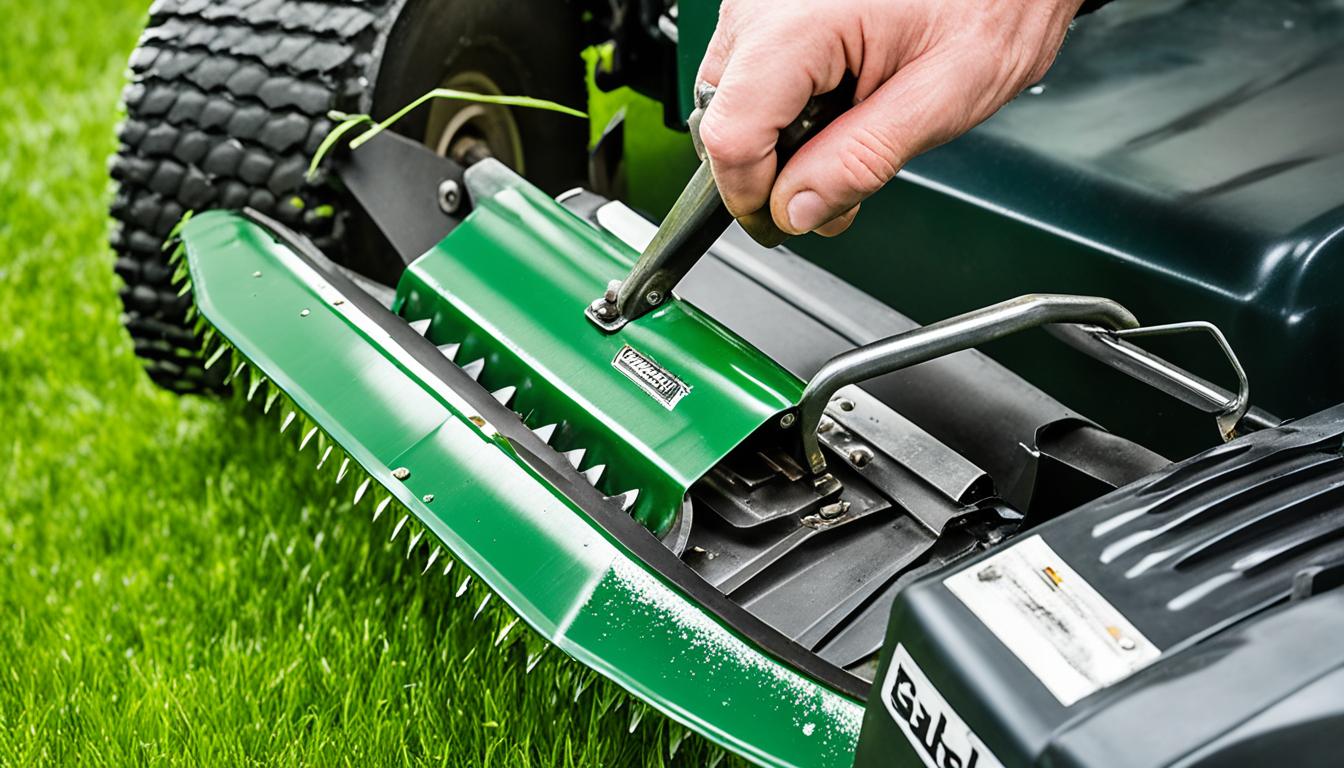
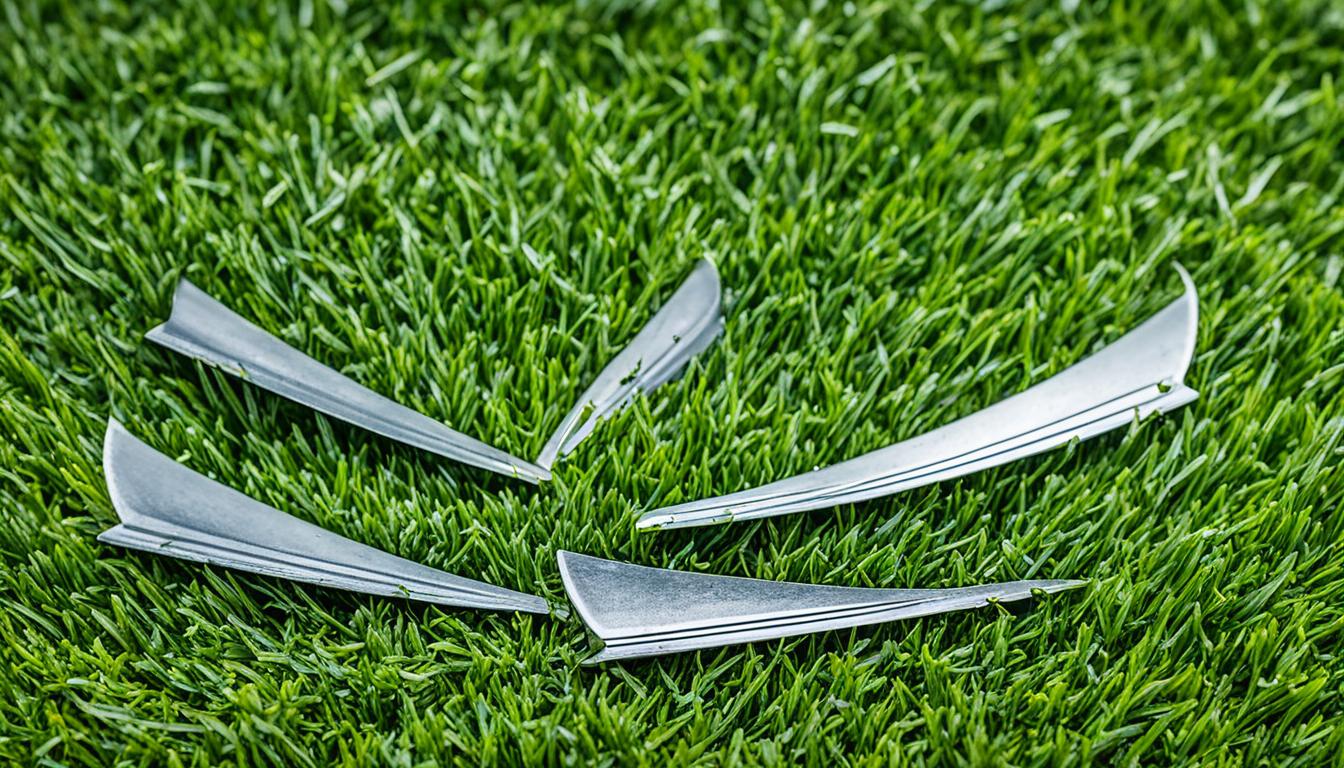
So, how do you make sure your blade is on correctly? The absolute golden rule is to always consult your mower's owner's manual. It’s your official guide and will have specific instructions for your model. However, there are general visual cues that are incredibly helpful. First, the sharp cutting edge should always be leading the rotation. Imagine the blade spinning; the sharp edge should be the one hitting the grass first. Second, most blades have a slight curve or "wing" at each end. This curved part, often called the lift or fin, should be pointing upwards towards the mower deck, creating that crucial suction. If it's pointing downwards, it's effectively pushing the grass down instead of lifting it! Some blades even have "grass side up" or directional arrows stamped on them. Take a moment to compare the new blade to the old one before removal, or simply look online for diagrams specific to your blade type. Want to explore further? Observe different types of blades – mulching blades, high-lift blades – and notice their varying fin designs. It's a testament to simple, clever engineering that makes our weekend chores a little easier and our lawns look fantastic.