What Way Do Ceiling Fans Turn In The Summer
Ah, the ceiling fan. Is there anything quite as satisfying on a hot summer day as feeling that gentle breeze swirling around you? We all know the feeling: stepping inside from the sweltering heat and flicking on that trusty fan, instantly feeling a wave of coolness wash over you. It's a simple pleasure, but one that makes a world of difference in maintaining comfort and keeping those energy bills manageable.
But beyond just providing a refreshing gust of air, a ceiling fan is actually a pretty clever piece of engineering. Its primary benefit is helping to circulate air throughout a room. By moving the air, it helps to evaporate moisture from your skin, which is what creates that cooling sensation. This is especially important in the summer months when humidity is high. A good fan can make even an air-conditioned room feel significantly cooler, allowing you to potentially raise the thermostat a few degrees and save on energy costs. In fact, a correctly used ceiling fan can reduce your air conditioning costs by up to 40%! Think of it as a team player, working alongside your AC to maximize comfort and minimize expenses. Beyond cooling, it also helps in preventing the build-up of stagnant air, which can contribute to stuffiness and even mold growth in some cases.
You'll find ceiling fans everywhere, from bedrooms and living rooms to kitchens and even covered patios. They come in all shapes, sizes, and styles, from the traditional three-blade models to more contemporary designs with intricate details and built-in lighting. Many restaurants and cafes with outdoor seating utilize large ceiling fans to keep their patrons comfortable, particularly in warmer climates. Think of a summer evening on a patio, enjoying a meal with friends, the gentle breeze of a ceiling fan adding to the ambiance. Many people also use them to keep flies or mosquitoes away.
Must Read
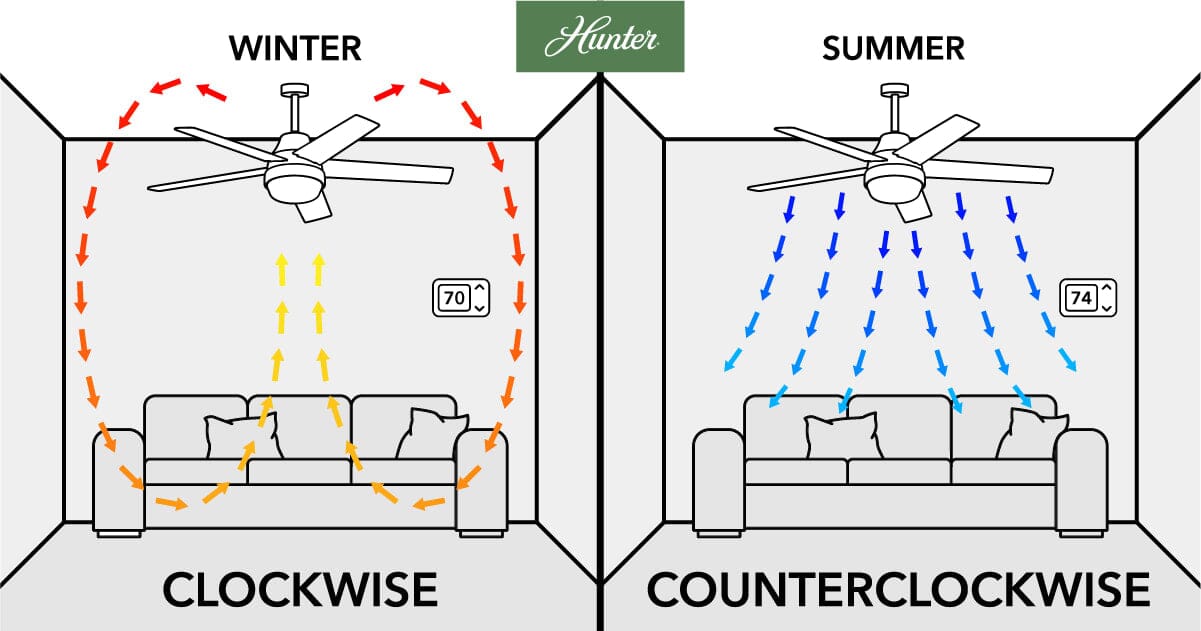
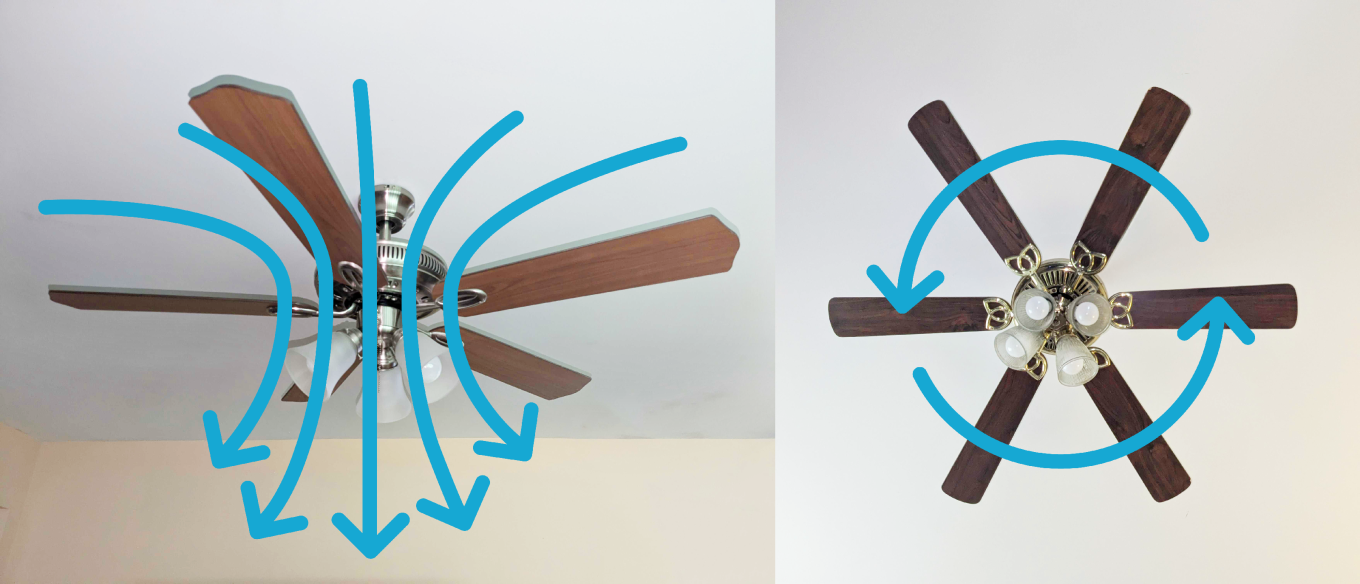
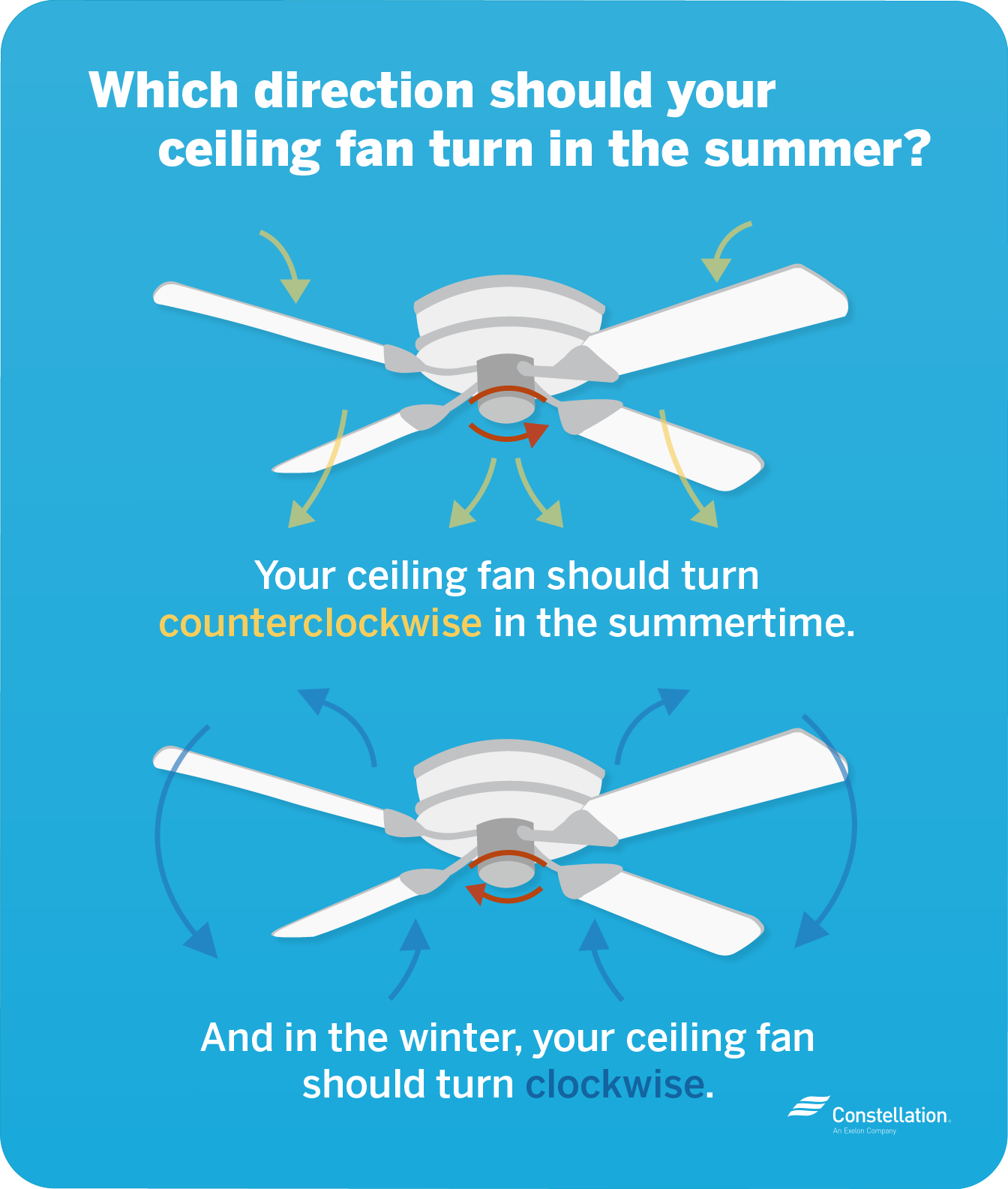
So, how can you ensure your ceiling fan is working effectively for you this summer? Here's where the crucial question comes in: Which way should it be turning? The answer is counter-clockwise, when viewed from below. This pushes the air straight down, creating that direct breeze that cools you down. Many fans have a small switch on the motor housing that allows you to reverse the direction. Make sure it's set correctly for summer!
Beyond direction, speed also matters. While a high speed might seem like the obvious choice, sometimes a lower speed is more effective, particularly in smaller rooms. Experiment to find the speed that provides the most comfortable airflow for you. Also, be sure to dust your fan blades regularly! Dusty blades not only look unsightly but also reduce the fan's efficiency. A simple wipe down with a damp cloth can make a big difference. Consider also the height of your fan. For maximum effectiveness, the blades should be between 7 and 9 feet from the floor. Finally, remember that ceiling fans cool people, not rooms. So, turn them off when you leave the room to save energy. You can even get smart fans that do this automatically! By following these simple tips, you can maximize the benefits of your ceiling fan and enjoy a cooler, more comfortable summer without breaking the bank.