
What Wattage Generator Do I Need To Run A House
.jpg)
Ever wondered what it takes to keep the lights on when the power company decides to take an unscheduled vacation? We're talking about generators, those trusty (and sometimes noisy) sidekicks that spring into action during blackouts.
But how do you figure out what size generator you need? It's not like picking out a toaster!
The Wattage Whisperer: Decoding Your Home's Power Hunger
First, forget everything you think you know about electricity. Okay, maybe not everything, but let's keep it simple. We're talking about wattage, the measurement of how much power your appliances slurp up.
Must Read
Think of your house as a very hungry monster. Each appliance is a little snack it devours. The bigger the appliance, the bigger the snack, the more watts it needs.
The good news? Most appliances have a little sticker on them, usually on the back or bottom, that tells you exactly how many watts they require.
Hunting Down the Wattage Bandits
Time for a scavenger hunt! Grab a notepad and start prowling around your house, looking for those wattage stickers. The fridge? Check. The TV? Check. That weird foot massager you got for Christmas? Definitely check!
Add up the wattage of everything you absolutely need to run during a power outage. We're talking essentials here: fridge, a lamp or two, maybe the Wi-Fi router (because, let's be honest, a world without internet is a scary place).
Don't forget the "starting wattage." Some appliances, like refrigerators and air conditioners, need a surge of power to get going. This is often two or three times their running wattage. It's like when you first wake up – you need a strong coffee jolt before you're fully functional.
The "Nice-to-Haves" vs. the "Must-Haves"
Now comes the tricky part: prioritizing. Do you really need to run the electric oven while the power is out? Or can you survive on cold sandwiches and campfire-style cooking?
This is where you get to be a bit of a survivalist. Pretend you're on a reality TV show, and the generator is your only lifeline. What are the absolute essentials for your family to survive and (relatively) thrive?
Be honest with yourself! No one needs a margarita blender during a blackout, unless you're staging a very elaborate post-apocalyptic party.
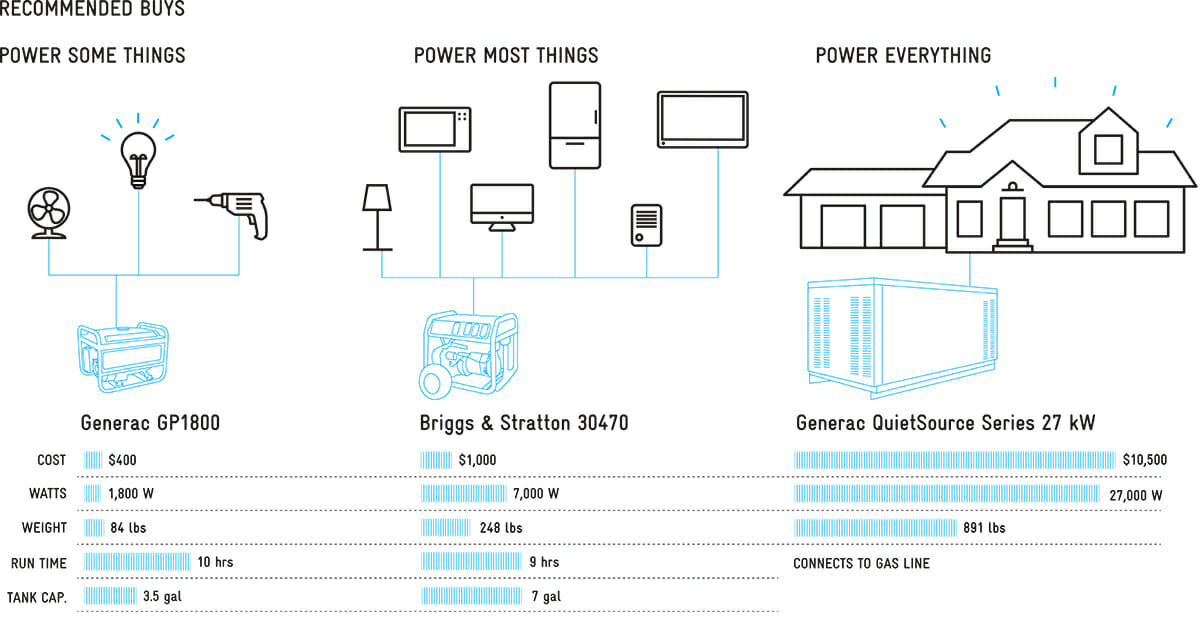
Sizing Up Your Generator: Not Too Big, Not Too Small
Once you've calculated your total wattage needs, add a little extra buffer – say, 10-20% – just to be safe. You don't want to overload the generator and risk frying it (or your appliances!).
Choosing the right size generator is like Goldilocks finding the perfect bowl of porridge. Too small, and you'll be left in the dark. Too big, and you'll be wasting money and fuel.
Portable generators come in all shapes and sizes, from small, suitcase-sized models perfect for camping to larger, more powerful units that can run essential appliances in your home.
The Quirks and Quirks of Generator Life
Owning a generator is a bit like having a pet. It needs regular maintenance, you have to feed it (with gasoline, usually), and it can sometimes be a bit temperamental.
But when the lights go out, and the neighborhood is plunged into darkness, you'll be the hero with the humming machine keeping the fridge cold and the Wi-Fi humming.
Just be prepared for the inevitable: your neighbors will suddenly become very interested in borrowing an extension cord. It's a small price to pay for being the power-outage MVP.
A Few Words of Warning (and a Dash of Humor)
Generators produce carbon monoxide, a deadly, odorless gas. Never, ever run a generator indoors, in a garage, or in any enclosed space. Treat it like a grumpy dragon – keep it outside, well-ventilated, and away from open windows and doors.
Fuel storage is another important consideration. Gasoline can be dangerous, so store it in approved containers, away from heat sources, and definitely away from your generator while it's running.

Picture this: you're in the middle of a power outage, fumbling around in the dark, trying to refill the generator's fuel tank with a flashlight in one hand and a gas can in the other. Not a recipe for success! Plan ahead, and practice refueling the generator in daylight, before the emergency strikes.
The Unexpected Joys of Self-Reliance
While power outages can be stressful, there's also a certain satisfaction in being prepared. Knowing you can keep your family safe and comfortable, even when the grid goes down, is a pretty empowering feeling.
It's also a chance to unplug and reconnect with your loved ones. Think board games by candlelight, storytelling around the (safe and supervised) fireplace, and maybe even a little star-gazing (assuming the weather cooperates).
In a world where we're constantly bombarded with information and technology, a power outage can be a forced opportunity to slow down, appreciate the simple things, and rediscover the joys of human connection.
Beyond the Basics: Exploring Generator Options
While portable generators are the most common choice for home backup power, there are other options to consider. Standby generators, for example, are permanently installed and automatically kick in when the power goes out.
They're more expensive than portable generators, but they offer peace of mind and convenience. Imagine never having to worry about dragging a generator out of the garage in the middle of a storm!
There are also solar generators, which use solar panels to charge a battery. These are a clean and quiet alternative to gasoline-powered generators, but they may not be powerful enough to run all your appliances.
The Final Watt: Embrace the Power Within (Your Generator)
So, what wattage generator do you need to run your house? The answer, as you've probably guessed, depends on your individual needs and priorities.
Take the time to assess your power requirements, explore your options, and choose a generator that's right for you. With a little planning and preparation, you can face any power outage with confidence and a well-lit home.
And who knows, you might even become the neighborhood hero, the one everyone turns to when the lights go out. Just don't forget to charge extra for those extension cord rentals!
Remember the starting wattage!
It's better to have a generator with a higher wattage capacity than needed, rather than one that is undersized.
Having more power on tap allows for flexibility and prevents overloading, which can damage the generator or the appliances connected to it. Think of it as having extra elbow room - it's always better to have a bit more space than feeling cramped and restricted.
If you are planning on running sensitive electronic devices, such as computers or smartphones, you may want to consider a generator with an inverter.
Inverter generators produce cleaner power, which is less likely to damage sensitive electronics.
The inverter technology regulates the electricity, resulting in more stable and reliable power.
Tips For Generator Usage
Always run your generator in a well-ventilated area, away from doors and windows.
Never operate the generator indoors or in enclosed spaces to avoid the risk of carbon monoxide poisoning.

Proper ventilation is key to ensuring safe and efficient operation.
Keep the generator away from flammable materials, such as gasoline or propane tanks.
Store extra fuel in approved containers and in a cool, dry place.
Safety should always be the top priority when handling and storing fuel.
Before connecting any appliances to the generator, turn off all circuit breakers to prevent overload.
Once the generator is running, turn on each circuit breaker one at a time to distribute the load evenly.
This will help prevent damage to the generator and ensure stable power supply.
Don't underestimate the importance of reading the manual! It's not just for emergencies but a key to safe and efficient generator use.