
What Watt Generator Do I Need To Run A House
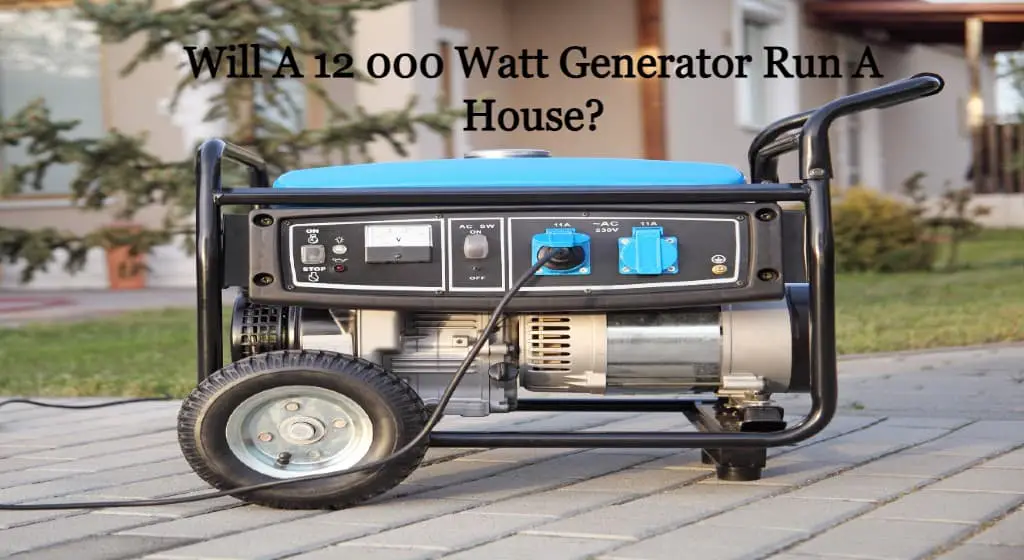
Okay, so you're thinking about getting a generator. Cool! Maybe you're prepping for a zombie apocalypse (smart!), or maybe just tired of the lights flickering out during a summer thunderstorm. Whatever the reason, good on ya for being prepared. But figuring out what size generator you need? That can feel like rocket science. Don't worry, we'll break it down. No PhD required. Let's talk watts. Fun, right?
First Things First: What’s a Watt?
Watts are basically electricity's way of saying, "Hey, I'm doing work!" Think of it like this: your hairdryer uses watts to blow hot air, your fridge uses watts to keep your beer cold, and your TV uses watts to...well, entertain you with cat videos. The higher the wattage, the more power something sucks up.
Here's a quirky fact: Did you know James Watt, the guy the watt is named after, also invented a separate condenser for steam engines? Talk about a powerhouse of innovation! Okay, back to generators… and cold beer.
Must Read
So, How Many Watts Do You Need?
This is the million-dollar question, isn’t it? Sadly, there's no one-size-fits-all answer. It depends on what you absolutely need to run during a power outage. We're talking survival here, not luxury. Do you really need to binge-watch Netflix while the neighborhood is dark? (Okay, maybe a little Netflix).
Start by making a list. A serious list. No cheating! Think about the essentials:
- Refrigerator: Because nobody wants spoiled milk and sad leftovers.
- Lighting: Unless you're really committed to that whole caveman lifestyle.
- Well pump (if you have one): Essential for, you know, water.
- Furnace fan (in winter): Keeping warm is kind of important.
- Medical equipment: If you rely on anything life-saving, that's top priority.
Now, look at the labels on these appliances. They'll tell you how many watts they need. It's usually listed as "watts" or "W." You might even see two numbers: starting watts and running watts. This is key!
The Starting Watt Surge!
Some appliances, especially those with motors (like your fridge and AC), need a big surge of power to get started. That's the starting wattage. It's usually much higher than the running wattage. Think of it like needing a running start to jump over a puddle.
Funny Detail: Picture your fridge dramatically yelling, "INITIATING POWER SEQUENCE!" as it sucks up a ton of watts to kick on. It probably feels that way, right?
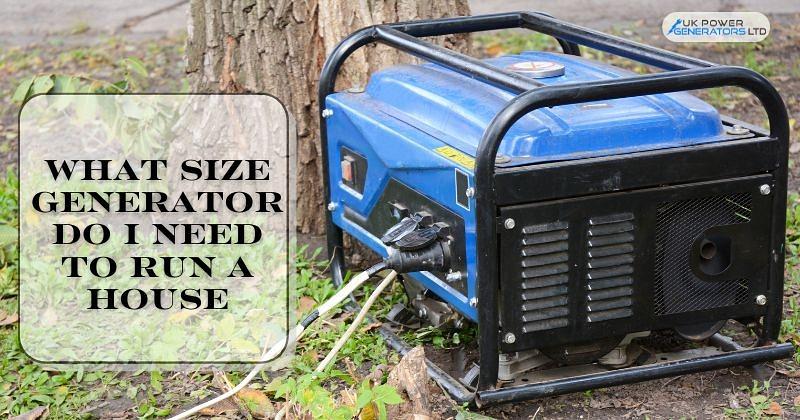
Your generator needs to handle that initial surge. Otherwise, it'll groan, sputter, and maybe even give up entirely. Not a good look.
Adding It All Up (Without Losing Your Mind)
Here's the basic formula:
- Figure out the starting wattage of the appliance that needs the most oomph to get going (usually your fridge or AC).
- Add the running wattage of all the other appliances you want to run simultaneously.
That total is the minimum wattage your generator needs. Round up! It's always better to have a little extra power than to be constantly overloading your generator. Overloading is bad. Very bad.

Example: Let's say your fridge needs 2000 starting watts and 200 running watts. You also want to run a lamp (60 watts), and your furnace fan (600 running watts).
The calculation looks like this: 2000 (fridge starting) + 60 (lamp running) + 600 (furnace fan running) = 2660 watts. So, you'd want a generator that can handle at least 2700 watts (rounding up, remember?).
Don't Forget the Extras!
Consider adding a buffer. Maybe you forgot something on your list, or maybe you want to plug in your phone charger (priorities!). A 10-20% buffer is a good idea.
Also, think about the type of generator. Inverter generators are quieter and produce cleaner power, which is better for sensitive electronics like laptops and TVs. But they're usually more expensive.

Seriously Important: Never run a generator indoors! Carbon monoxide is a silent killer. Keep it outside, in a well-ventilated area. Safety first, people!
The Bottom Line
Figuring out the right wattage generator can seem daunting, but it's really just a matter of doing a little math and thinking about your priorities. Make a list, add up the watts, and don't forget the starting surge! With a little planning, you can keep the lights on (and the beer cold) during the next power outage. Now go forth and conquer the darkness! You got this!
P.S. If all else fails, you can always just huddle around a campfire and tell stories. Just make sure someone brings marshmallows.