
What Was The Windmill Used For
Ever driven past one of those majestic old windmills and wondered, "What exactly was that giant, spinning contraption all about?" Or maybe you've seen pictures of the iconic Dutch landscapes, dotted with them, and thought, "Yeah, but what did they do?"
You're not alone! These beauties are more than just pretty scenery from a bygone era. They were, in fact, absolute powerhouses of their time, a true marvel of ancient engineering that changed daily life in some pretty profound ways. Let's dive into the fascinating world of what windmills were actually used for, and why they were, frankly, pretty darn cool.
The OG Food Processor: Grinding Grain
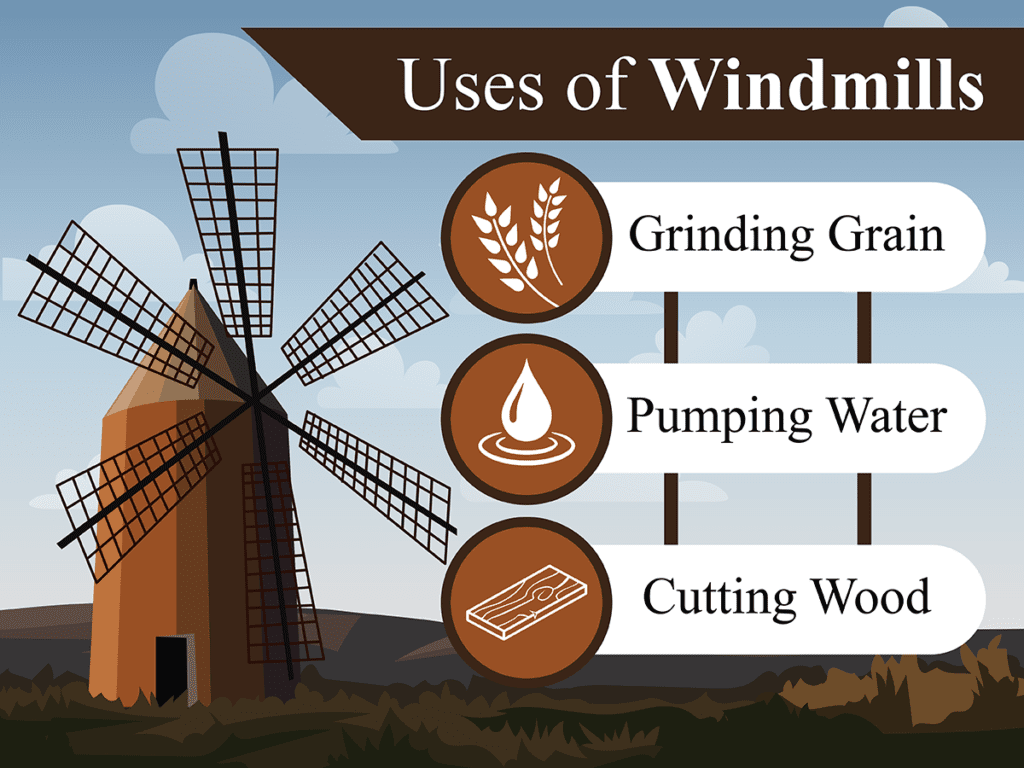
Okay, let's get straight to the big one, the superstar use that most people associate with windmills: grinding grain into flour. Before electric blenders, before even steam-powered mills, how do you think people made bread? You couldn't just pop to the supermarket for a bag of self-raising!
Must Read
Enter the windmill. Imagine hungry communities, relying on their harvests of wheat, barley, or rye. They needed a way to turn those tough, little kernels into a fine powder suitable for baking. Doing it by hand with a mortar and pestle? Talk about a workout!
The windmill was the answer. The mighty wind would catch those massive sails, or "sweeps," making them spin. This rotational power was then ingeniously transferred through a series of gears and shafts down to a set of heavy, circular millstones. One stone stayed still, while the other spun just above it, literally crushing and grinding the grain fed between them.
It was like a giant, wind-powered food processor, but for flour! This wasn't just convenient; it was absolutely essential for feeding towns and villages. Without windmills (or watermills, their liquid-powered cousins), large-scale bread making would have been incredibly difficult, if not impossible, for centuries.
Think about that for a second: a machine powered by nothing but the breeze, providing the most basic ingredient for survival. Pretty revolutionary, right?
Draining and Drinking: Pumping Water
While grinding grain might be their most famous gig, windmills had another incredibly vital job, especially in flat, watery places like the Netherlands: pumping water. If you've ever seen those iconic Dutch windmills, many of them weren't grinding flour at all; they were battling the elements.
The Netherlands, much of it, lies below sea level. Historically, this meant constant flooding and marshy, unusable land. How do you reclaim land from the sea? You need to move a serious amount of water, and that's where the mighty drainage windmill came in.

These specialized windmills would turn their sails, and instead of millstones, they'd power massive Archimedes' screws or scoop wheels. These devices would literally lift water from lower-lying polders (reclaimed land) and dump it into higher canals or rivers, eventually making its way to the sea.
It was an epic feat of engineering, basically creating dry land where there was once only bog or shallow water. Without these water-pumping windmills, vast swathes of what is now fertile farmland and bustling cities would still be underwater. Talk about shaping a nation!
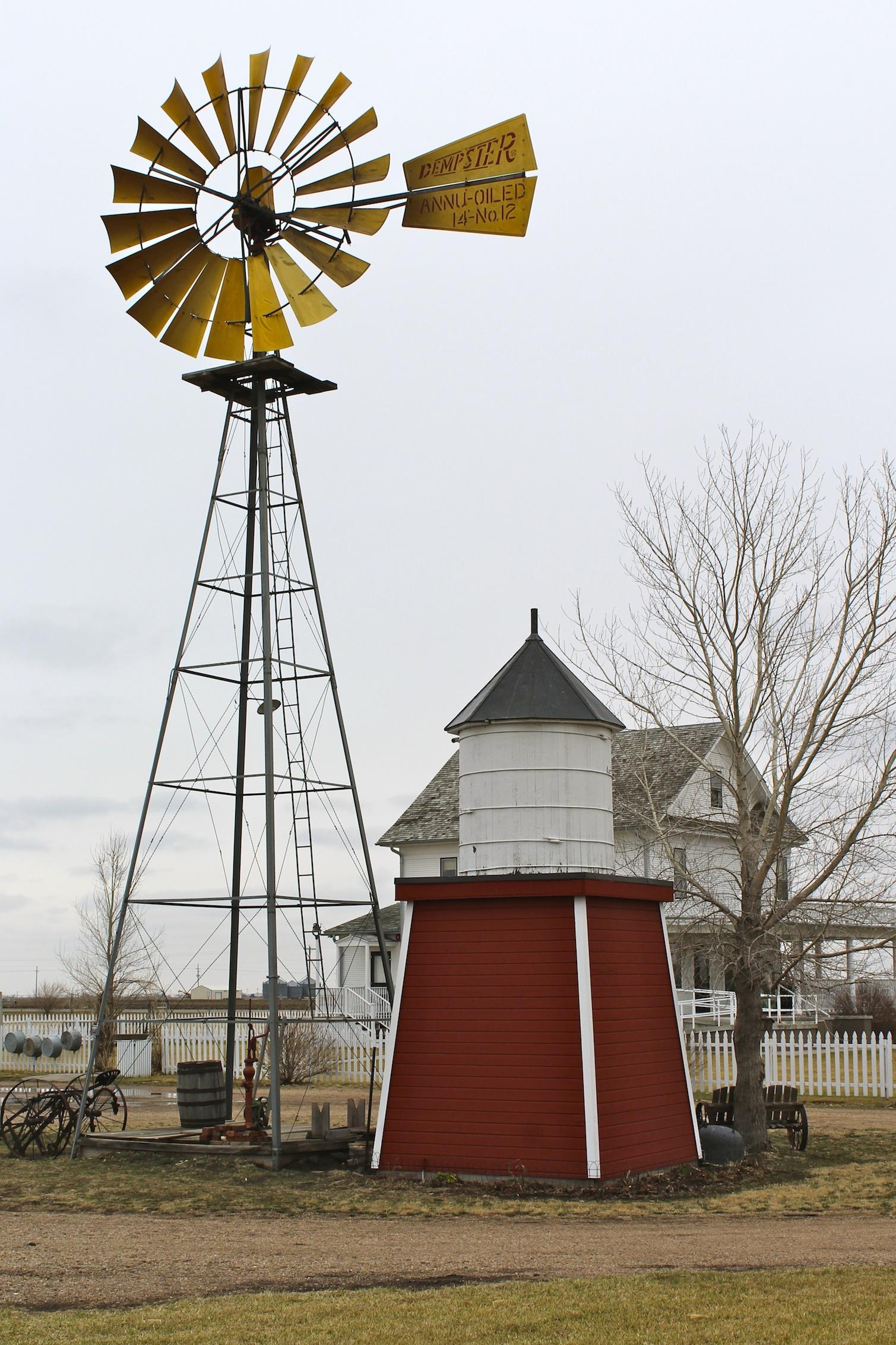
But it wasn't just about draining land. In other regions, smaller windmills were used to pump water from wells for irrigation or for livestock, bringing life-giving water to thirsty fields and thirsty animals. They were the original, sustainable water delivery system!
Beyond the Basics: Early Industrial Power
Okay, so grain and water were the main events. But like any good multi-tool, windmills weren't limited to just two functions. They were, in essence, an early form of industrial power, ready to be adapted for various tasks.
Picture this: you need to saw wood, crush olives for oil, or even make paper pulp. Before steam engines took over, if you didn't have a fast-flowing river for a watermill, your best bet was the wind. Windmills were adapted to power all sorts of machinery:
- Sawmills: Imagine giant saws, powered by the wind, cutting timber for ships and houses. A huge step up from manual sawing!
- Oil Mills: Crushing seeds like linseed or olives to extract valuable oils for cooking, lighting, or industrial uses.
- Paper Mills: Grinding rags and other materials into pulp to create paper, a true luxury commodity in earlier times.
- Spice Mills: Grinding various spices, which were incredibly valuable.
So, these weren't just agricultural tools; they were the engines of early industry, transforming raw materials and making production more efficient and less back-breaking. They were truly the Swiss Army knife of pre-industrial technology.

The Legacy: From Old Sails to Modern Turbines
Of course, with the advent of the steam engine and later, electricity, the traditional windmill's role gradually diminished. Why rely on unpredictable wind when you could have constant, reliable power?
But here's the cool part: the idea never died. The fundamental principle of harnessing the wind's energy to generate power is more relevant than ever. Those giant, modern wind turbines you see dotting landscapes today? They are, in a very real sense, the direct descendants of those ancient windmills.
They might look like something out of a sci-fi movie compared to their wooden predecessors, but the core concept is identical: wind turns blades, which power a generator, creating energy. From grinding grain for bread to lighting our homes, the spirit of the windmill lives on.
So, next time you spot an old windmill, give it a little nod of appreciation. It wasn't just a pretty structure; it was a marvel of ingenuity, a backbone of communities, and a pioneer of sustainable energy that shaped our world in more ways than we often realize. Pretty amazing for a big, windy fan, don't you think?