What Uses A Lot Of Electricity
Ever stopped to wonder where all that invisible energy powering our lives actually goes? We flip a switch, and the light comes on. We press a button, and dinner cooks. But behind the scenes, there's a fascinating, often surprising, story of electricity consumption unfolding. It's not just about paying the bill; it's about becoming a bit of an energy detective, uncovering the hidden "energy hogs" in our homes, and understanding the incredible power that makes modern life possible. Think of it as a fun quest to peek behind the curtain of your home's energy habits!
Understanding what uses a lot of electricity isn't just a party trick; it's genuinely beneficial. On a personal level, it’s about empowering yourself to make smarter choices that can lead to a lighter utility bill. Imagine knowing exactly which appliances are quietly guzzling power, allowing you to decide when and how to use them most efficiently. Beyond your wallet, this knowledge has a broader impact. It helps us appreciate the resources involved in generating electricity and encourages us to be more mindful global citizens, contributing to a more sustainable future by simply reducing waste. It turns the mysterious electricity bill into a manageable, understandable aspect of daily life.
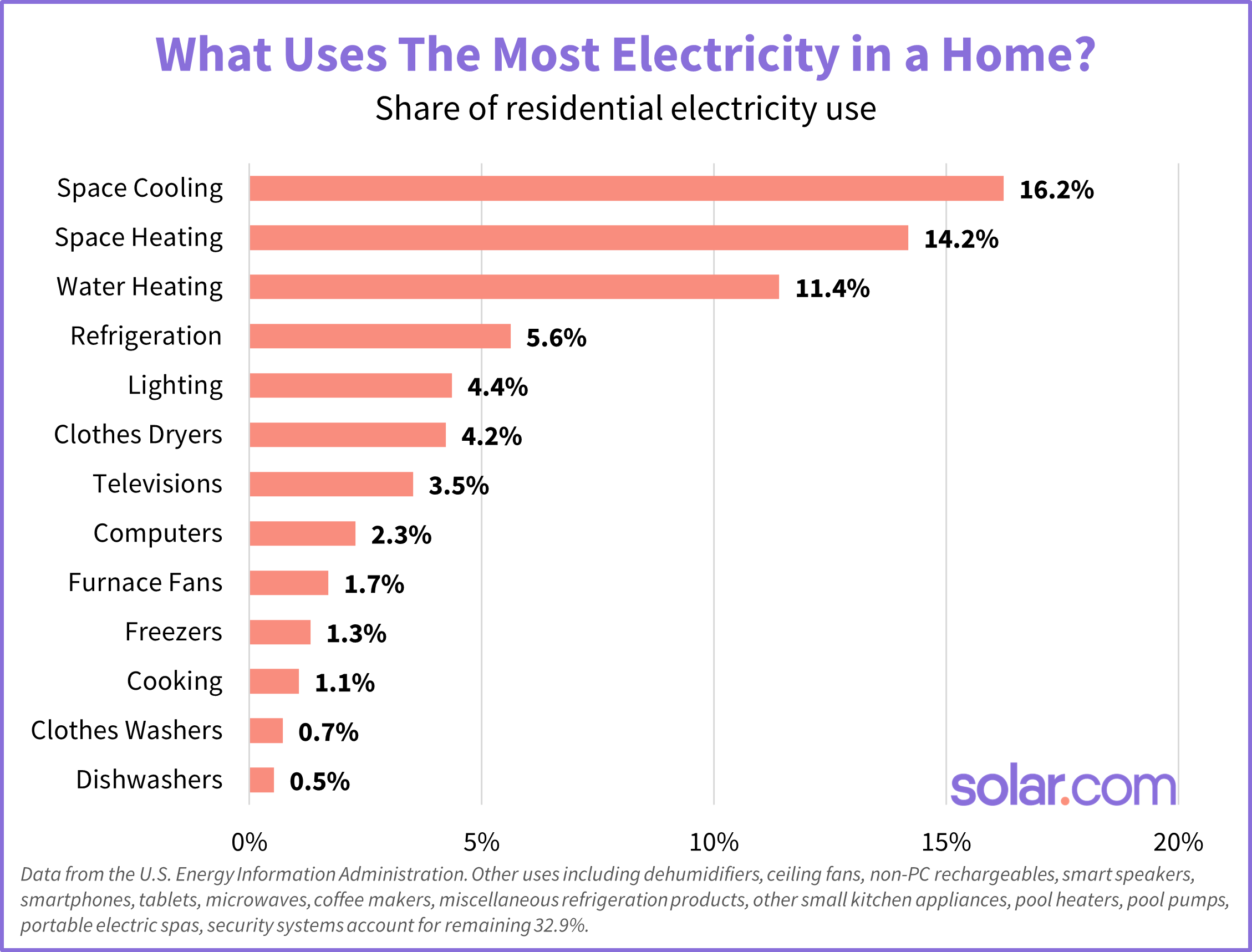
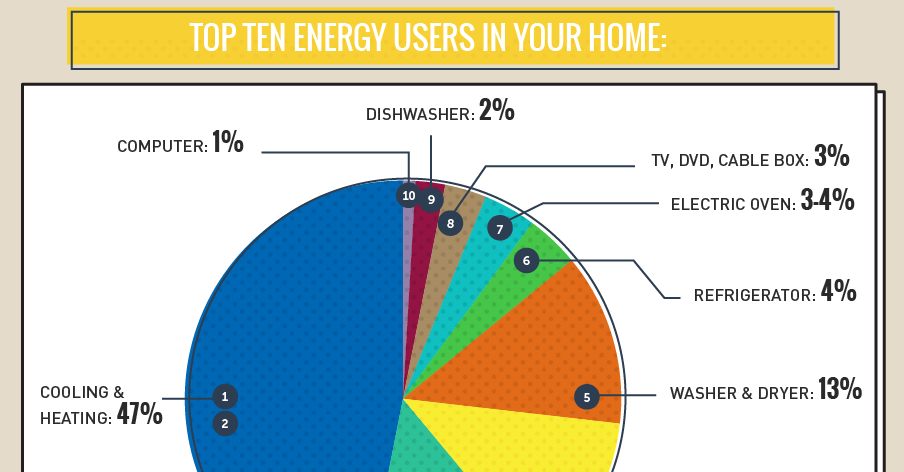
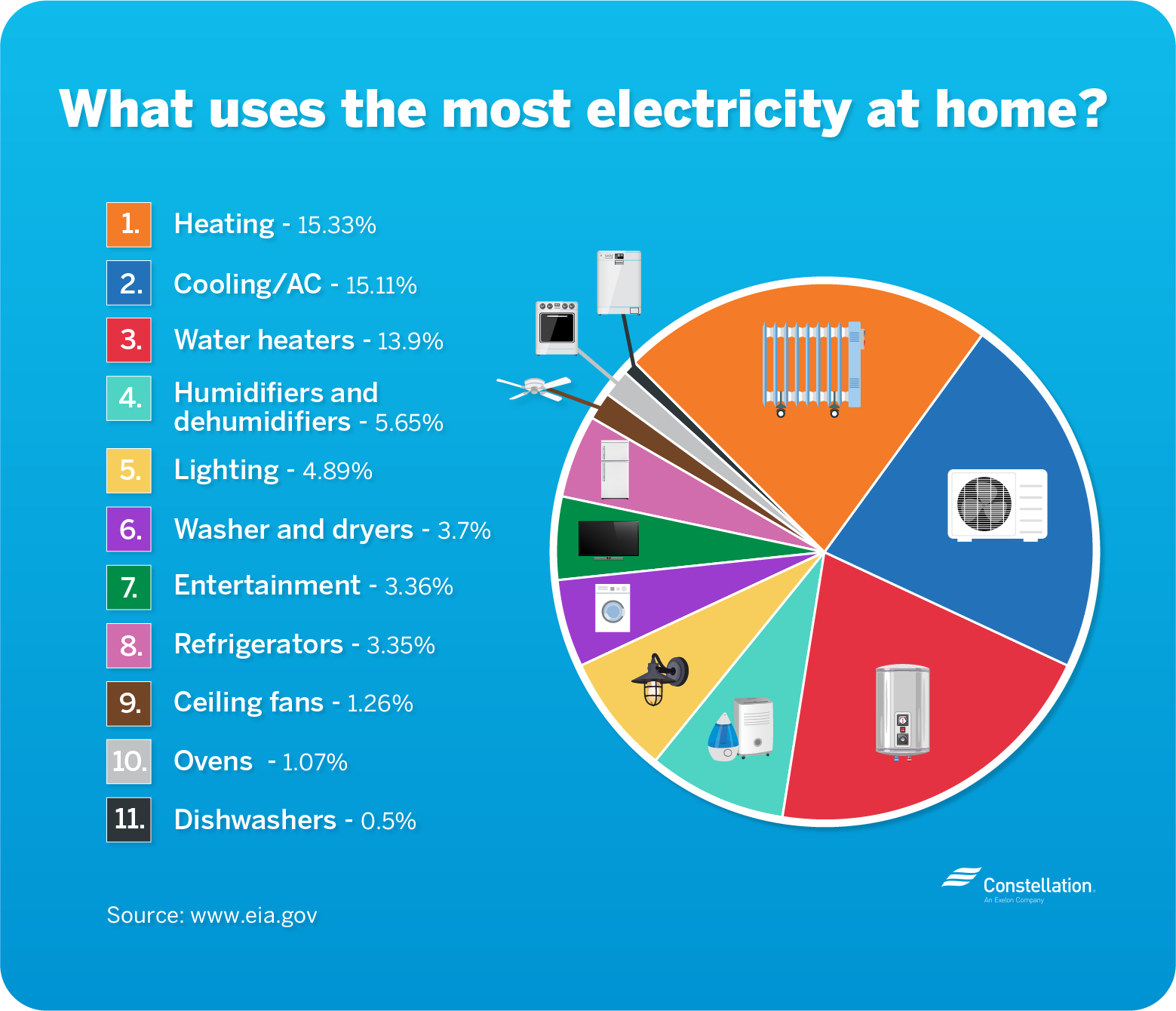
So, where are these energy heavyweights hiding? In daily life, the champions of electricity consumption are often the devices that heat or cool things. Your HVAC system (heating, ventilation, and air conditioning) is usually the undisputed king, especially in extreme weather. Hot water heaters are also significant contenders. Then there are the ever-present workhorses like your refrigerator, always on duty. Electric ovens and stoves, while not always on, use a massive amount of power when they are. Smaller, yet still impactful, are electric clothes dryers, dishwashers (especially with heated dry), and powerful hair dryers. Even devices used for long periods, like gaming PCs or multiple TVs, can add up. And don't forget phantom loads – devices like TVs, chargers, and coffee makers that consume power even when turned off but still plugged in, often called "vampire drain."
Must Read
Want to become your own energy sleuth? It's easier than you think! A simple first step is to look at the labels on your appliances; many will list their wattage (W) or kilowatts (kW), giving you a clue about their power hunger. For a more hands-on approach, consider getting an inexpensive energy usage monitor, often called a "Kill-a-Watt" meter. You plug an appliance into it, and it tells you exactly how much electricity that specific device is using. Many modern homes also have smart meters, which, when paired with an app from your utility company, can provide detailed real-time usage data. Another fun experiment: simply unplug devices you're not using for a week and see if you notice a difference. Or, next time you use a high-power item like a microwave, consciously observe your smart meter's spin (or digital readout increase) – it's a direct visual of energy in action! Exploring electricity consumption is an insightful journey, helping you understand your home and your impact on the world a little better.