
What Unit Is Used To Measure Electric Current

Ever wondered what magic makes your phone charge, your lights shine, or your toaster toast? Well, a big part of that magic is electric current. But what exactly is electric current, and how do we even measure this mysterious force? Let's dive in, shall we?
So, What's the Deal with Current?
Think of electric current like water flowing through a pipe. You've got your water source (like a battery or a power outlet), the pipe itself (the wires), and the thing that uses the water (your light bulb, phone, etc.). The amount of water flowing through the pipe at any given time is similar to electric current.
Instead of water molecules, we have these tiny things called electrons zipping along. Electric current is essentially the flow of these electrons. The more electrons flowing, the stronger the current – think of it like a raging river versus a gentle stream. One could power a whole city, and the other one… well, it is a stream!
Must Read
Enter the Ampere (Amp) – The Star of the Show
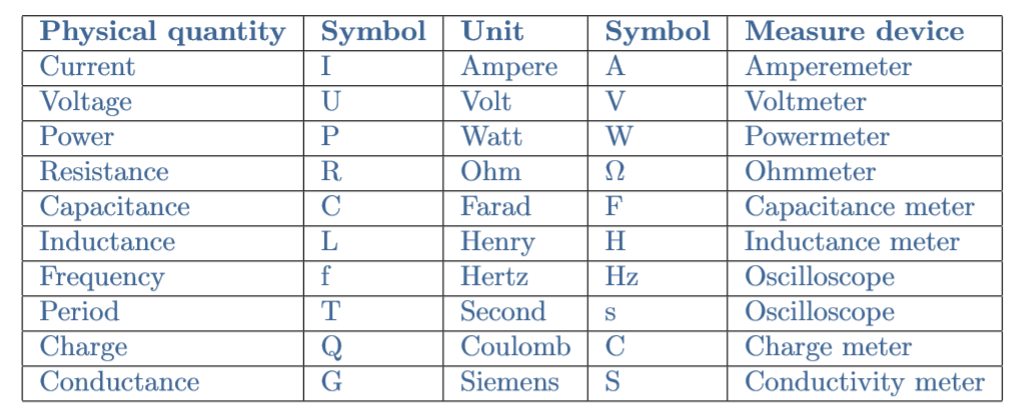
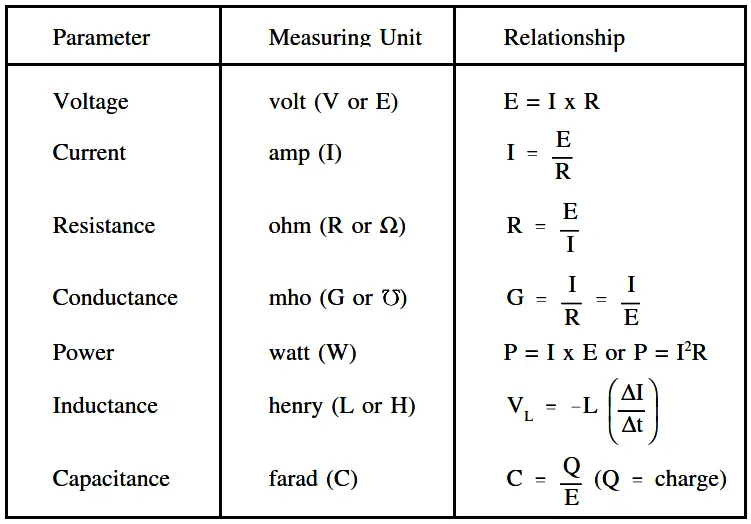
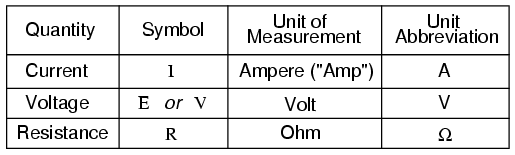
Now, for the million-dollar question: how do we measure this electron flow? That's where the Ampere, often shortened to Amp (symbol: A), comes into play. The Ampere is the standard unit for measuring electric current. Think of it like using liters to measure milk or kilograms to measure flour, amps just measure electric current.
Imagine you're making a smoothie. You wouldn't just throw ingredients in willy-nilly, right? You'd measure them out! Same goes for electricity. We need to know how much current is flowing to make sure things work properly and, more importantly, don't explode. I've had a blender go "poof" from too much… enthusiasm, and let me tell you, it's not a smoothie you want to drink.
Amps in Everyday Life: A Hilarious Rundown
You encounter Amps every single day, even if you don't realize it. Let's look at some examples that are quite fun:
- Your Phone Charger: That little brick probably says something like "Output: 5V 2A." That "2A" means it's designed to deliver 2 Amps of current to your phone.
- Your Toaster: This hungry appliance sucks up a lot of current. It might draw something like 8-10 Amps. That's why you can't plug a toaster and a hair dryer into the same outlet without potentially tripping a breaker (more on that later!). It is simply too much current for the wires to handle at once.
- Your Car Battery: Car batteries can deliver hundreds of Amps to start your engine. That's a lot of electron flow!
So, the next time you plug something in, remember that you're tapping into the flow of electrons measured in Amps.
A Little Note on Safety: Amps Can Be Spicy!
While Amps are essential for powering our lives, they can also be dangerous. A small current (measured in milliAmps, or thousandths of an Amp) can cause a shock, while larger currents can be deadly. That's why it's crucial to be careful around electricity.
Remember that breaker we mentioned earlier? Circuit breakers are designed to protect your home from electrical fires by cutting off the current if it gets too high. They're like tiny electrical bouncers, saying, "Whoa there, buddy! Too much current! Party's over!"
Messing with electricity is generally a bad idea unless you know what you're doing. If you have any electrical issues, call a qualified electrician. They are like the surgeons of electricity, and their skills are incredibly important for a safe life.
In a Nutshell
Electric current is the flow of electrons, and we measure it in Amps (A). Amps are like the liters of electricity, telling us how much electron juice is flowing. Understanding Amps helps us understand how our devices work and, more importantly, helps us stay safe around electricity. So, next time you use electricity, take a moment to appreciate the Amp – the unsung hero of modern life!
Now, go forth and conquer the world… but maybe don't try to conquer the power grid. That's generally frowned upon, and it probably involves a lot of Amps you don't want to mess with.
