
What Type Of Weather Do Cold Fronts Usually Bring

Ever feel that dramatic shift in the air? One minute you're basking in sunshine, the next you're reaching for a cozy sweater? Chances are, you've just been visited by a cold front. But what exactly does that entail?
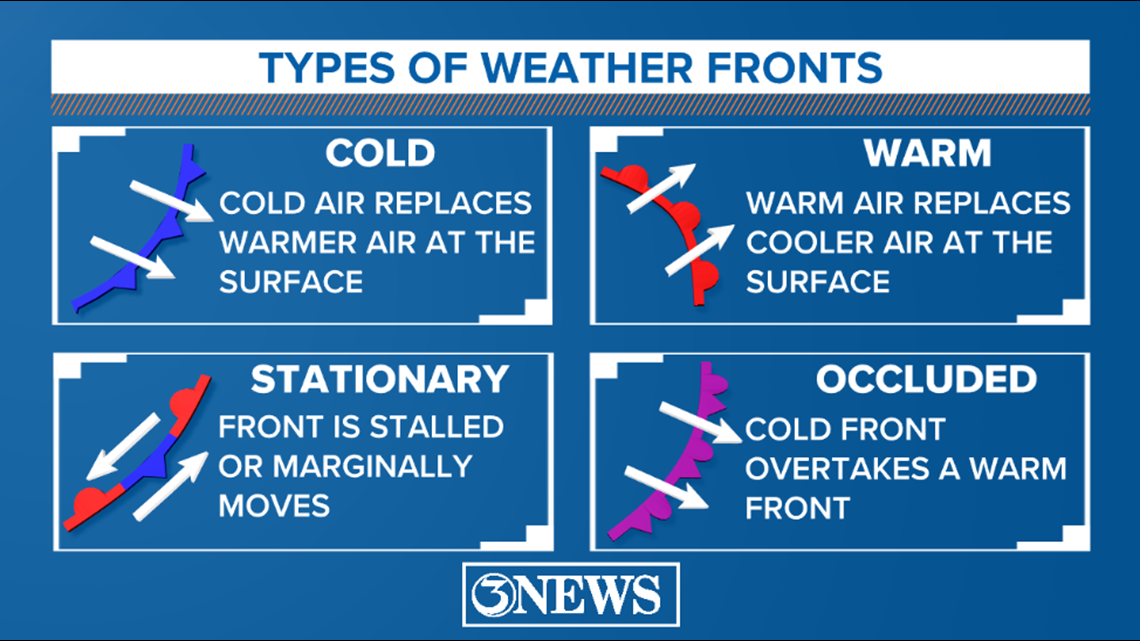
Let's demystify these atmospheric events. Think of a cold front as a giant, invisible gatekeeper, separating warmer, often more humid air, from a cooler, drier air mass. When this front moves through, it doesn't just politely shuffle things around; it makes an entrance.
The Initial Rush: Stormy Skies and Gusty Winds
The arrival of a cold front is rarely subtle. One of the most common hallmarks is a period of intense weather. Picture this: the sky darkens, clouds gather menacingly, and the wind picks up, howling like a wolf in a cartoon. This is often accompanied by showers or thunderstorms, sometimes even severe ones. Think of it as Mother Nature throwing a little tantrum.
Must Read
Practical Tip: If you see storm clouds brewing and the wind picking up speed, it's time to head indoors. Secure any loose objects in your yard – that inflatable flamingo might look cute, but it's not going to withstand a gale!
The strength of these storms depends on the temperature difference between the warm and cold air masses. The greater the difference, the more dramatic the weather. Think of it like mixing oil and water; the bigger the clash, the more exciting – or potentially destructive – the outcome.
The Aftermath: Crisp Air and Clear Skies
Once the front has passed, the atmosphere usually undergoes a complete 180. The stormy skies give way to clear, blue skies, and the air becomes significantly cooler and drier. That muggy, sticky feeling disappears, replaced by a crispness that makes you want to breathe deeply and go for a hike.
Did you know? The term "cold front" was first coined in the early 20th century, as meteorologists began to understand the dynamics of these weather systems. Before that, people simply relied on observation and folk wisdom to predict changes in the weather. Hence, classics like "Red sky at night, sailor's delight; red sky in morning, sailor take warning."

Temperatures can drop significantly after a cold front passes, sometimes by as much as 15-20 degrees Fahrenheit (or even more!). That's why it's always a good idea to keep a light jacket or sweater handy, even if the day starts out warm.
Cultural Reference: Remember the scene in "When Harry Met Sally" where they discuss the weather? "I love that after it rains, everything smells like asphalt." While not strictly about cold fronts, it captures that sensory experience of a post-storm world, the refreshing change in the air.

Seasonal Variations: Winter's Chill and Spring's Renewal
The effects of a cold front vary depending on the season. In winter, they can bring frigid temperatures, snow, sleet, and ice, creating conditions that require extra caution on the roads. Bundle up, drive safely, and maybe binge-watch your favorite show – it's the perfect excuse!
In spring and fall, cold fronts often bring a welcome relief from warmer temperatures, but can also lead to more unpredictable weather patterns. One day you're enjoying sunshine, the next you're dodging raindrops – that's just the nature of the transitional seasons.

Important Note: With cooler, drier air comes lower humidity, which can exacerbate issues like dry skin and cracked lips. Remember to moisturize and stay hydrated.
Finally, consider that cold fronts can also trigger unexpected changes in your mood and energy levels. Some people feel invigorated by the cooler air, while others find the sudden shift unsettling. Pay attention to your body and adjust your activities accordingly.
Think About It: Cold fronts are a reminder of the constant flux of nature. They teach us to be adaptable, to appreciate the beauty in both sunshine and rain, and to be prepared for whatever the weather throws our way. Just like life, the atmosphere is always in motion, and sometimes a little change is exactly what we need.