What Type Of Stove Do I Have
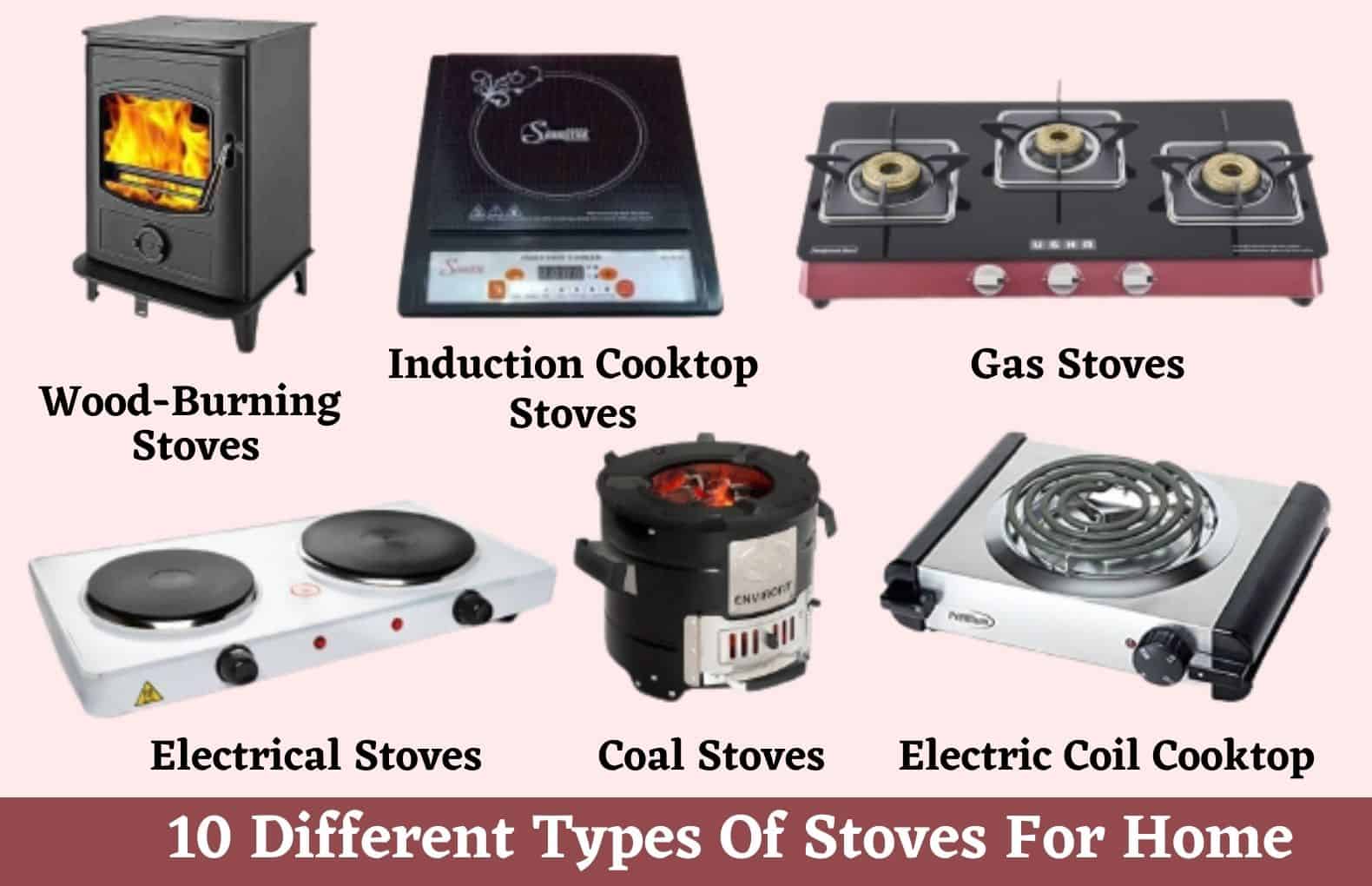
Ever paused in your kitchen, mid-stir, and wondered, "What kind of stove do I actually have?" It might seem like a small detail, but knowing your stove type is actually a super fun and useful piece of kitchen wisdom! Think of it like being a kitchen detective – figuring out the secrets of your culinary partner. It's not just about cooking; it's about understanding the heart of your home and making the most of every meal.
This little bit of knowledge is a game-changer for all sorts of people. For beginners in the kitchen, it helps you choose the right pots and pans, understand how to control heat properly, and even cook more safely. If you're running a busy family kitchen, knowing your stove can help you cook more efficiently, plan meals better, and even make informed decisions if you're ever thinking about upgrading your appliances. And for the budding hobbyists and keen cooks, truly understanding your stove unlocks its full potential, helping you master specific cooking techniques and achieve perfect results every time. It’s about being empowered in your own kitchen!
So, let's break down the main contenders you're likely to find. First up, the classic Gas Stove. You'll know this one by its distinctive grates and the mesmerizing open flames that ignite when you turn a burner on. Chefs often adore gas for its instant heat control – turn the knob, and the heat changes right away. Then there's the Electric Coil Stove, which features visible, spiral-shaped metal coils that glow red when hot. These are typically quite robust and affordable, though they can take a little longer to heat up and cool down. A step up in sleekness is the Electric Smooth-Top Stove (often called radiant electric). This one has a flat, glass-ceramic surface where burners glow red underneath. It's super easy to clean and looks very modern, but like coils, it can have a slightly slower response to heat changes.
Must Read
Finally, the rising star: the Induction Stove. This also has a smooth, flat glass top, looking similar to the radiant electric. However, the magic of induction is that it uses electromagnetic energy to heat only the pot itself, not the cooktop. This means incredible speed, precise temperature control, and a surface that stays relatively cool to the touch, making it very safe. The catch? It requires specific magnetic cookware.

Ready to figure out what you've got? It’s simple! If you see flames when you cook, you have a gas stove. If you have visible, glowing metal coils, it's an electric coil stove. If your stovetop is a flat, smooth piece of glass, it's either radiant electric or induction. To tell the difference, grab a regular kitchen magnet. If the magnet sticks firmly to the bottom of your pot, and your stove heats up that pot incredibly fast while the surrounding surface stays cool, congratulations, you have an induction stove! If the magnet doesn't stick, or if the burner glows red and heats up even without a pot, it's likely a radiant electric smooth-top. Another quick tip: check for a model number often found on the oven doorframe, inside a storage drawer, or on the back of the appliance – a quick online search will tell you everything!
See? It’s not just a stove; it’s a specific tool designed for specific cooking experiences. Knowing its identity helps you treat it right, choose the best accessories, and ultimately, become a more confident and joyful cook. So go ahead, enjoy your kitchen, and happy cooking!