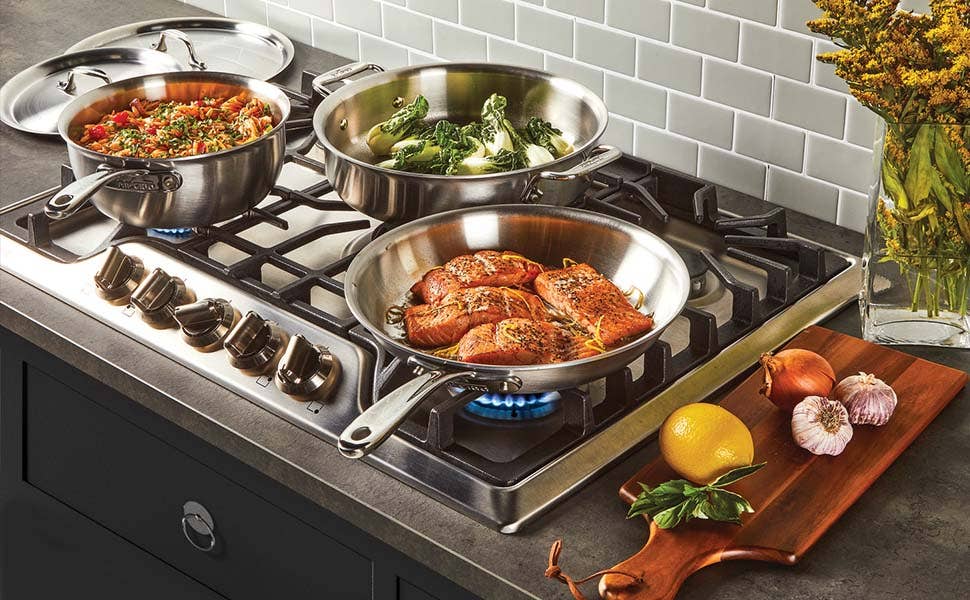
What Type Of Stainless Steel Is Best For Cooking
:max_bytes(150000):strip_icc()/AllCladD510pc-ec677fe31acb4f85b0d28f32e5f93be7.jpg)
Let's talk stainless steel! Sounds boring, right? Wrong! If you're even a little bit into cooking, understanding stainless steel is like unlocking a secret level. It's the workhorse of most kitchens, and knowing which type is best can seriously up your cooking game and save you money in the long run. So, grab a cup of coffee and let's dive into the shiny world of stainless steel cookware!
Why does it matter? Well, for beginners, knowing what to look for means you won't get stuck with pots and pans that rust or burn everything. For families, it's about durability and safety – you want cookware that can withstand daily use and won't leach anything nasty into your food. And for the hobbyist chef, choosing the right stainless steel is about achieving precise temperature control and even cooking, unlocking new culinary possibilities.
The magic numbers? You'll often see stainless steel described with numbers like "18/10" or "18/8". What do these mean? They refer to the percentage of chromium (the first number) and nickel (the second number) in the alloy. Chromium is what makes stainless steel resistant to rust, while nickel adds shine and corrosion resistance. 18/10 stainless steel, containing 18% chromium and 10% nickel, is generally considered the gold standard for cookware.
Must Read
18/10 stainless steel is fantastic because it's incredibly durable, resists rust and corrosion like a champ, and has a nice, shiny finish that's easy to clean. It's also non-reactive, meaning it won't alter the taste of your food. Think of it as the all-purpose player on your cooking team. It's great for boiling water, simmering sauces, searing meats, and everything in between.

Another common type is 18/8 stainless steel. The difference is minimal; it also contains 18% chromium but has slightly less nickel (8%). Functionally, it's very similar to 18/10 and performs almost identically in most cooking situations. It's often a little less expensive, making it a great option if you're on a budget.
Now, what about those cheaper stainless steel options that might not have those numbers listed? They might contain less chromium and nickel, or even other metals. While they might be tempting because of the price, they could be more prone to rusting, staining, and even leaching into your food over time. It's generally best to stick with 18/10 or 18/8 for cookware.
:max_bytes(150000):strip_icc()/ses-primary-stainless-cookware-sets-rkilgore-01-54cc53feba5748cdab8db4719de942ae.jpg)
Simple tips for getting started: When shopping, look for those "18/10" or "18/8" markings on the cookware. Don't be afraid to ask questions! A knowledgeable salesperson can help you understand the differences between various options. And remember, a good quality stainless steel set is an investment that will last for years with proper care. Hand washing is often recommended, even if it's dishwasher safe, to prolong its lifespan. Avoid using abrasive cleaners that can scratch the surface.
So, there you have it! Understanding the basics of stainless steel can empower you to make informed choices when buying cookware. It's about more than just shiny pots and pans; it's about investing in quality, safety, and the joy of creating delicious meals. Happy cooking!