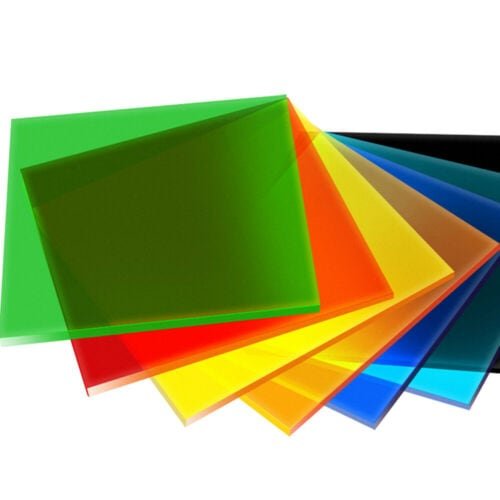
What Type Of Plastic Is Acrylic
Ever found yourself admiring a sleek, modern piece of furniture – maybe a "ghost chair" that seems to disappear into the room, or a crystal-clear picture frame that makes your memories pop? Chances are, you’ve been gazing at acrylic. It's everywhere, from your chic home decor to the dazzling signs outside your favorite coffee shop, but what type of plastic is it, really? Let's peel back the layers and get friendly with this incredibly versatile material.
Acrylic: The Clear Star of the Plastic World
So, here’s the scoop: acrylic isn't just a plastic; it’s a specific type of plastic. Its proper chemical name is polymethyl methacrylate, thankfully shortened to PMMA for casual conversation. Think of it as the popular kid in the plastic family – known for its good looks and impressive smarts.
At its heart, acrylic is a thermoplastic. What does that mean for you? Simply put, it means it can be heated and molded into various shapes, then cooled to hold that shape. This process can be repeated, making it a dream for manufacturers and designers alike. Imagine the possibilities! From intricate sculptures to smooth, flowing lines, acrylic can take on almost any form.
Must Read
Why We Love Acrylic: Its Superpowers
Acrylic isn't just common; it's beloved for a reason. It boasts a suite of "superpowers" that make it incredibly useful and appealing in our daily lives.
Crystal Clarity & UV Resistance
One of acrylic's most celebrated traits is its remarkable transparency. Often, it's even clearer than traditional glass, allowing light to pass through with minimal distortion. This isn't just about looking good; it's practical too! Ever wondered how those massive aquarium tanks at public aquariums stay so pristine? Or how submarine windows offer such incredible views? Often, it's thanks to acrylic! Plus, it has excellent UV resistance, meaning it won’t yellow or become brittle when exposed to sunlight, unlike some other plastics.

Strong, Yet Lightweight
Here’s a fun fact: acrylic is significantly more impact-resistant than glass – we're talking many times over! This makes it a fantastic choice for areas where safety is a concern, like shower screens, skylights, or even sturdy kid-friendly picture frames. But don't let its strength fool you; it's also wonderfully lightweight. This makes it easier to handle, install, and transport, saving energy and effort.
The Ultimate Versatile Player
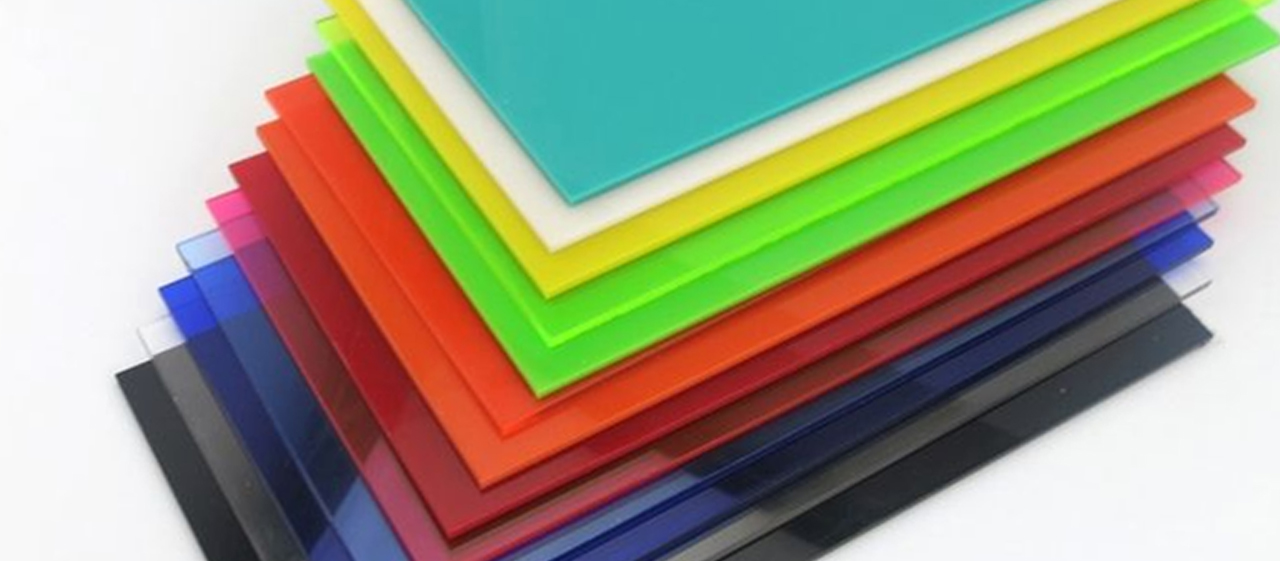
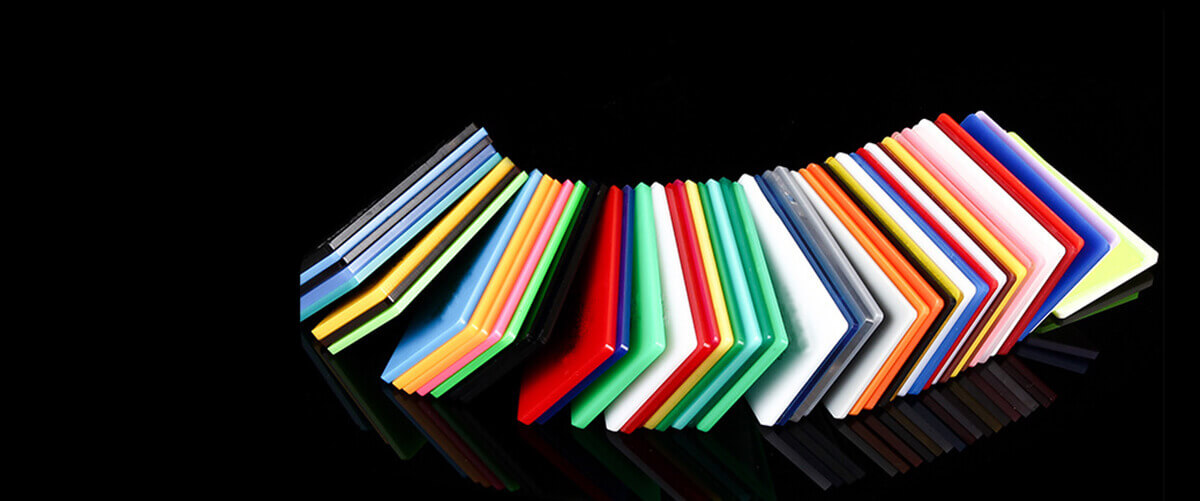
From shimmering jewelry to durable car headlights, acrylic’s versatility is truly astounding. It can be easily colored, allowing for vibrant hues that catch the eye, or left completely clear for that minimalist vibe. It can be cut, drilled, polished, and even glued, making it a dream material for custom projects and mass production alike. Think of those sleek, modern furniture pieces that look almost sculptural – that's often acrylic flexing its creative muscles!
Acrylic in Your World: From Fashion to Function
Once you know what to look for, you’ll start seeing acrylic everywhere. In the realm of home decor, it’s behind those trendy clear tables, elegant display cases for your collectibles, and even stylish bathroom accessories. For the fashion-forward, acrylic pops up in stunning, lightweight jewelry, unique handbag designs, and even some high-tech spectacle lenses.
Culturally, acrylic has made its mark. It was a favorite material during the 1960s mod era, embodying a futuristic, clean aesthetic. Today, it continues to define modern minimalist design, offering an understated elegance that complements almost any interior style. It’s also a staple in the art world, not just as a medium for paint, but for creating captivating sculptures and museum-quality display cases.

Caring for Your Acrylic Treasures: A Quick Guide
Taking care of acrylic is thankfully pretty straightforward. To keep your acrylic items looking their best, always use a soft microfiber cloth and a mild soap-and-water solution. Avoid harsh chemicals like ammonia-based cleaners (Windex is a no-go!) or abrasive cloths, as these can scratch or dull the surface. For minor scratches, specialty acrylic polishing kits can work wonders, bringing back that original shine.
A Small Reflection on a Big Material
Who knew a simple type of plastic could be so fascinating, right? Acrylic, or PMMA, is more than just a material; it’s a testament to human ingenuity, shaping our daily lives in countless subtle ways. From keeping us safe with shatter-resistant solutions to elevating our aesthetics with its crystal clarity and versatility, acrylic truly is a quiet hero of the modern age. So, next time you spot that impeccably clear photo frame or that chic, transparent chair, take a moment to appreciate the unsung star: acrylic, the clear choice for a brilliantly designed world.