What Type Of Particles Move To Create Electricity
Ever flick a light switch and marvel at the instant illumination? Or plug in your phone and watch the battery icon spring to life? We use electricity every single day, but have you ever stopped to think about what's actually making it all happen? It's not magic, although it can certainly feel like it! The secret lies in tiny, energetic particles that are always on the move. So, let's dive in and uncover the mystery: what type of particles are responsible for creating electricity?
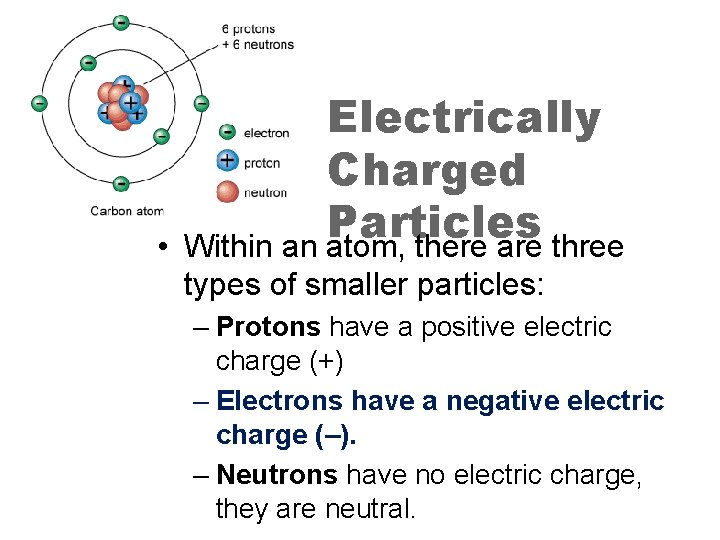
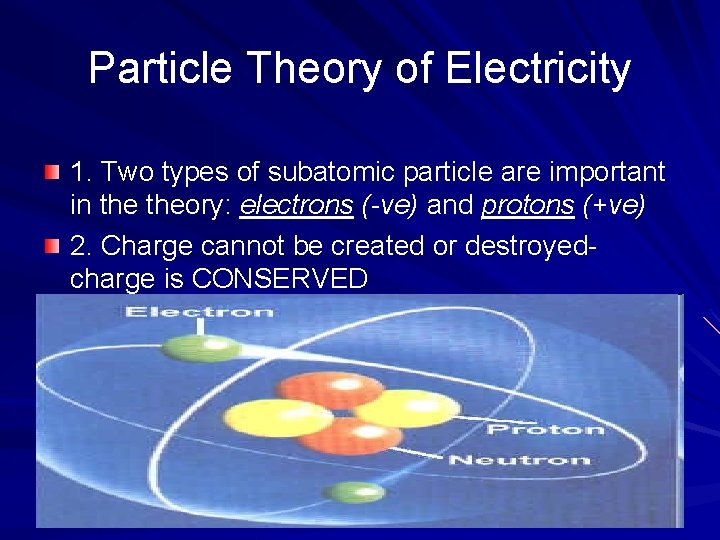
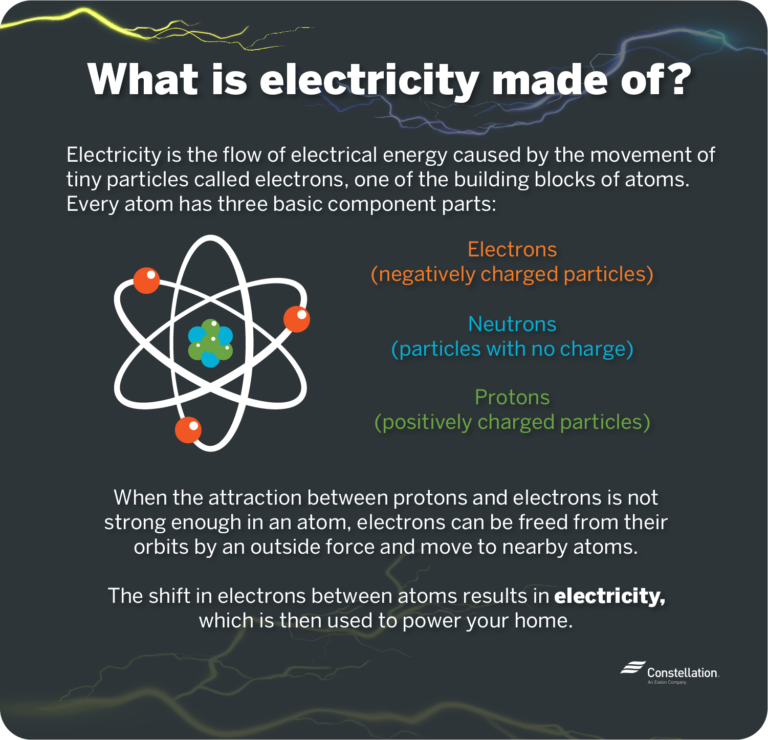
The answer, in short, is electrons! These subatomic particles, which carry a negative charge, are the workhorses of the electrical world. Think of them as tiny little messengers, constantly zipping around and delivering energy where it's needed. But what's so special about them, and how do they create electricity?
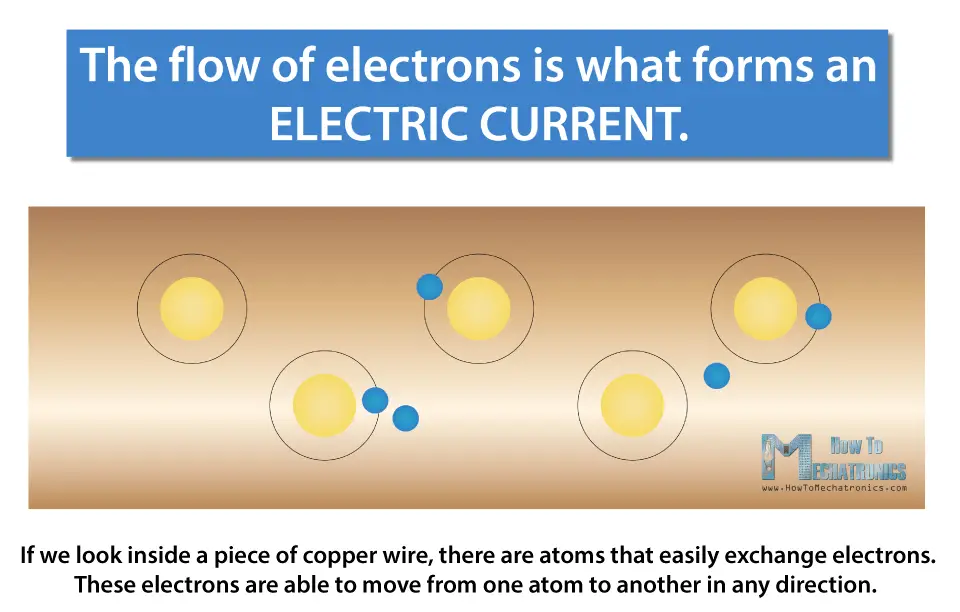
Well, electrons exist within atoms, which are the fundamental building blocks of everything around us. They orbit the atom's nucleus in specific energy levels. Now, in certain materials, like copper (a common material used in wires), some electrons are relatively loosely held to their atoms. These are known as free electrons. And it's these free electrons that are the key to conducting electricity.
Must Read
When we apply an electrical force, like from a battery or a power outlet, it creates an electrical field. This field acts like a kind of invisible push, nudging those free electrons to start moving in a particular direction. This directed flow of electrons is what we call an electric current! Imagine a crowded hallway – when someone yells "fire," people start moving in (mostly) the same direction, creating a flow. That's kind of what happens with electrons and electricity.
The purpose of harnessing this electron flow is, of course, to power our world. From powering our homes and businesses to running complex machinery and keeping us connected through our devices, electricity is essential to modern life. The benefits are undeniable. It provides clean, efficient energy that's easily transportable, allowing us to live more comfortably and productively.
Of course, the story doesn't end there. Scientists and engineers are constantly exploring new ways to improve the efficiency and sustainability of electricity generation and distribution. But understanding the fundamental role of electrons is the first step towards appreciating the power that drives our world. So, the next time you flip a switch, remember the tireless work of those tiny, negatively charged particles making it all happen!
Think of it this way: while other particles, like protons (positive charge) and neutrons (no charge) are important parts of the atom, they are usually stuck inside the nucleus and don’t move around freely like electrons do. They're like the permanent residents of a house, while the electrons are the delivery drivers bringing all the good stuff!