What Type Of Heater Uses The Least Electricity

Okay, let's talk heaters. Not the kind that are, like, totally evil and suck your wallet dry, but the kind that are, well, slightly less evil. Because let's be honest, all electric heaters are power-hungry little monsters in disguise! But fear not, intrepid winter warriors, there are ways to fight back against the cold without single-handedly funding the local power company's yacht collection.
The Quest for the Least-Electrically-Demanding Heater
So, what's the champion of energy efficiency in the cutthroat world of electric heaters? Drumroll please... (imagine a really dramatic drumroll here)... It's complicated! Shocking, I know. But fear not, dear reader, for I shall break it down like a poorly constructed snowman on a mildly warm day.
Understanding Watts: The Enemy
First things first: watts. Think of watts as the heater's appetite. The more watts a heater uses, the hungrier it is for electricity, and the more it'll cost you. A heater with a higher wattage will heat a room faster, but it will also chew through electricity faster. It's a trade-off, like deciding between a super-fast car that guzzles gas and a sensible scooter that sips it.
Must Read
The Contenders: A Heater Showdown
Let's look at some common heater types and see how they stack up in the energy-saving Olympics:
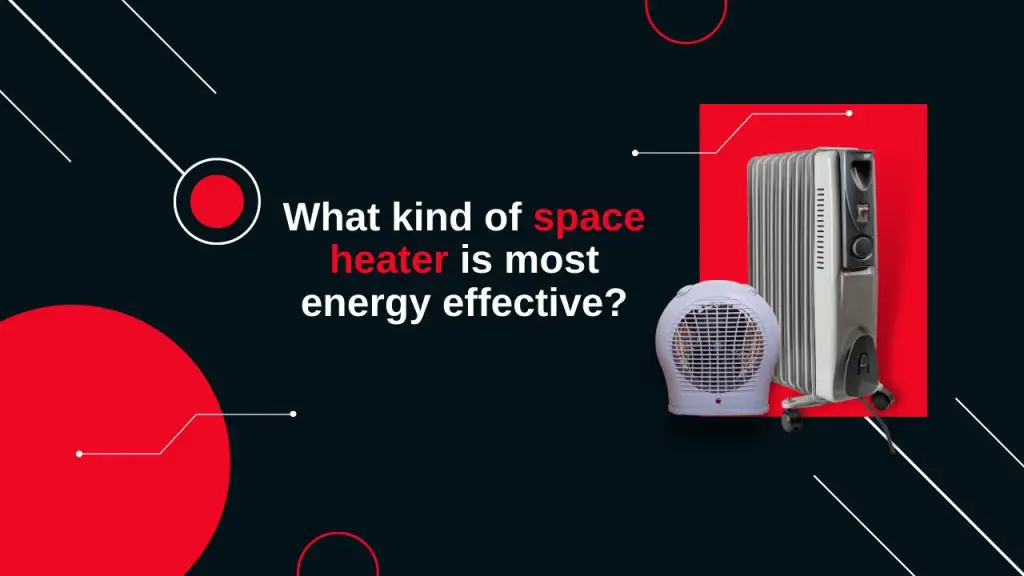
- Space Heaters (General): These are the usual suspects. They come in various forms – ceramic, fan-forced, radiant – and their wattage can vary wildly. Some can be real energy hogs, comparable to leaving a small oven running all day. Generally, you're looking at 1500 watts for most standard space heaters. Ouch!
- Radiant Heaters: These guys heat objects directly with infrared radiation. It's like having a mini-sun pointed at you! Some people swear by them for their focused warmth. They might feel more efficient because you're getting direct heat, but the wattage is often similar to other space heaters.
- Oil-Filled Radiators: These heaters have oil inside that's heated by electricity. They take a while to warm up, but they retain heat nicely, like a cozy electric turtle. They are generally around 1500 watts as well!
- Ceramic Heaters: These are often smaller and more portable. They use ceramic plates to heat the air, and some boast energy-saving features. Still, they often hit that 1500-watt mark.
- Panel Heaters: These are flat, wall-mounted heaters that use convection to warm the air. They're supposed to be more energy-efficient because they distribute heat more evenly. They often operate at lower wattages, like 400-800 watts, making them potentially a better choice than other options. However, be warned - they are usually designed for very small spaces and are better for maintaining a temperature than drastically raising it.
The Winner (Maybe): Lower Wattage is Key!
So, what's the takeaway? While there's no magic heater that runs on fairy dust and good intentions, the key to saving energy is to choose a heater with a LOWER WATTAGE. Seems obvious, right? But it's often overlooked in the quest for instant toasty-ness.

A smaller panel heater, used strategically in a small room, is potentially your best bet. Instead of blasting a whole room with a 1500-watt monster, consider focusing the heat where you need it most. Think of it as micro-managing your warmth.
Bonus Tip: Location, Location, Location!
Remember: where you place your heater matters! Don't put it near drafts or in a huge, uninsulated room. It'll be like trying to heat a swimming pool with a tea candle. Put it in a small, well-insulated space, and you'll get much better results.

And finally - remember to turn them off when you aren't using them! It's easy to forget, but leaving a heater on all night is the equivalent of printing money and then setting it on fire.
In conclusion, there's no "one size fits all" answer to the question of the most energy-efficient heater. But by understanding watts, choosing a lower-wattage option, and using it strategically, you can keep warm without declaring bankruptcy. Now go forth and conquer the cold, my friends!