What Type Of Generator Is Best For Home Backup
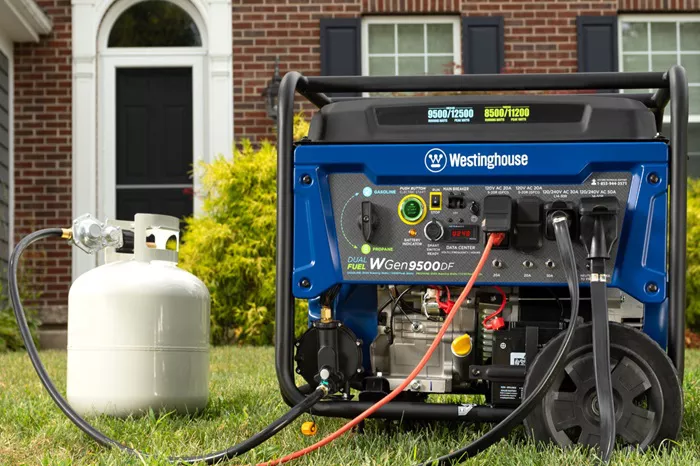
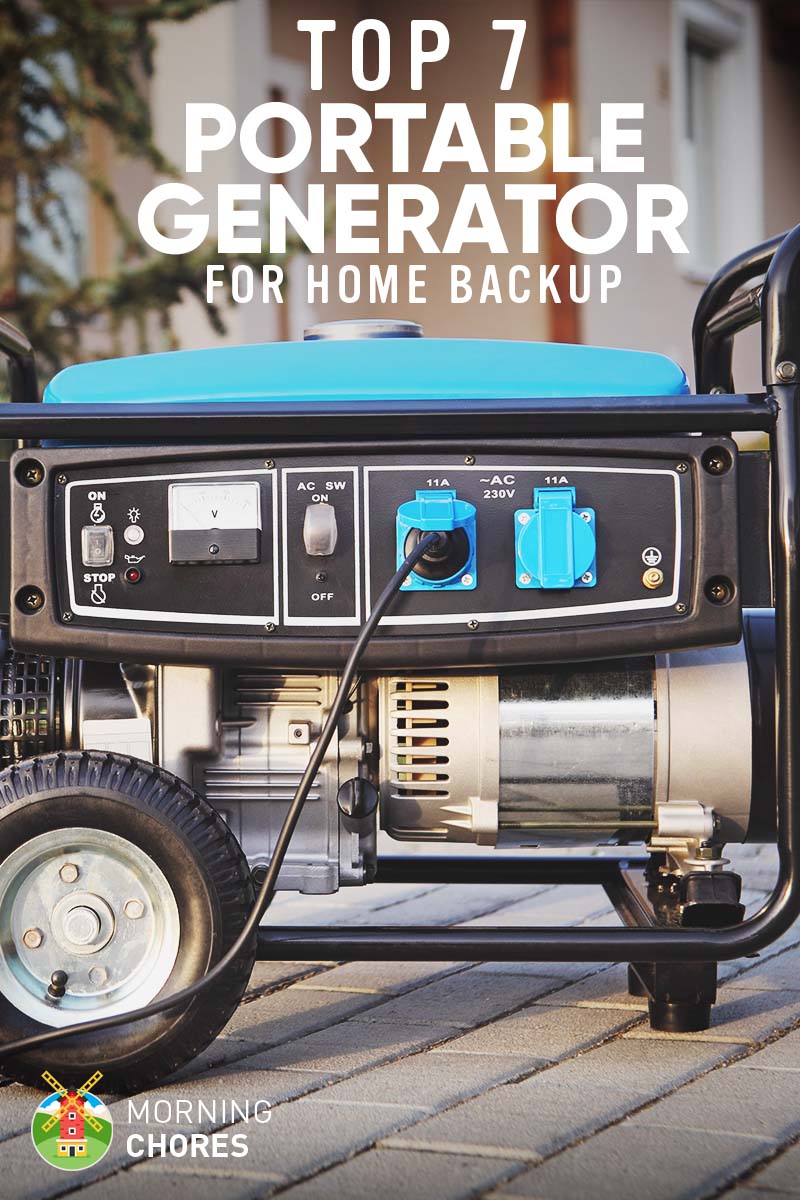
Let's face it, losing power is a drag. It throws a wrench in everything, from streaming your favorite shows to, well, keeping the lights on! But there's one thing that's gaining popularity faster than a viral cat video: home backup generators. And we're not just talking about the massive, whole-house systems (though those are awesome too). We're focusing on the generator type that offers the best balance of power, portability, and price for most homeowners: the portable generator. Think of it as your personal power station, ready to rumble when the grid goes silent.
But why are portable generators particularly beneficial for artists, hobbyists, and those just dabbling in new skills? Imagine this: a sudden blackout strikes just as you're about to finish that intricate wood carving. Or picture your online painting class being cut short, leaving you stranded mid-brushstroke. With a portable generator, the show goes on! These handy devices provide the electricity needed to keep your creative juices flowing, regardless of what's happening outside. No more sacrificing precious time or abandoning projects halfway through. They are a critical tool in overcoming unforeseen obstacles to learning.
The versatility of portable generators extends to various artistic and hobby pursuits. For the woodworker, it powers saws, sanders, and routers, ensuring a smooth and uninterrupted crafting experience. Photographers can use it on location for outdoor shoots, powering lighting equipment and laptops for editing. And for musicians, a portable generator means jamming sessions can continue even when the power is out, keeping amplifiers and instruments humming. Consider the pottery enthusiast; a generator can power an electric kiln, ensuring the firing process completes successfully and that hard work doesn’t go to waste. Or the beginner welder who needs a reliable power source for practice.
Must Read
So, how do you get started? First, determine your power needs. Add up the wattage of all the devices you want to run simultaneously during an outage. Remember to account for starting watts, which are often higher than running watts. Next, choose a generator with enough power and the right fuel type (gasoline, propane, or dual-fuel). Safety first! Always operate the generator outdoors in a well-ventilated area to avoid carbon monoxide poisoning. Connect appliances directly to the generator or use heavy-duty extension cords. Read the manual carefully before starting the generator, and perform regular maintenance as recommended.
Owning a portable generator isn't just about having backup power; it's about peace of mind. It's about knowing you can continue pursuing your passions, learning new skills, and keeping your household running smoothly, even when the lights go out. It’s about the satisfaction of being self-reliant and prepared for anything. And let's be honest, there's a certain thrill in being the only house on the block with lights on during a power outage – a beacon of creativity and comfort in a darkened world. So, embrace the power (literally!) and discover the joy of having a portable generator as your steadfast companion.