
What Type Of Gas Used In Homes
You know that feeling, right? It’s a chilly morning, you’ve just rolled out of bed, and the thought of a warm shower or a hot cup of coffee is the only thing pulling you through. You flip the switch for the water heater, or ignite the burner on your stove, and poof – instant heat, instant comfort. No fuss, no waiting for coals to light, no frantic searching for matches if the power goes out. It’s just... there. Like magic.
And honestly, most of us probably don’t give it a second thought. We just expect our homes to be warm, our food to cook, and our water to heat up. But have you ever paused, even for a fleeting second, and wondered, "What exactly is that magical stuff flowing into my home?" You're not alone if you haven't, but today, my friend, we’re pulling back the curtain on that domestic mystery!
The Main Event: Natural Gas
For the vast majority of homes connected to a utility grid in North America and many other parts of the world, the gas used is natural gas. This stuff is a fossil fuel, mostly made up of something called methane. It's a remarkably efficient and clean-burning fuel that comes straight from underground reservoirs.
Must Read
Imagine this: huge, invisible pipelines crisscrossing under cities and fields, delivering this precious commodity directly to your doorstep. It’s like a never-ending, highly efficient delivery service, 24/7. Pretty neat, right?
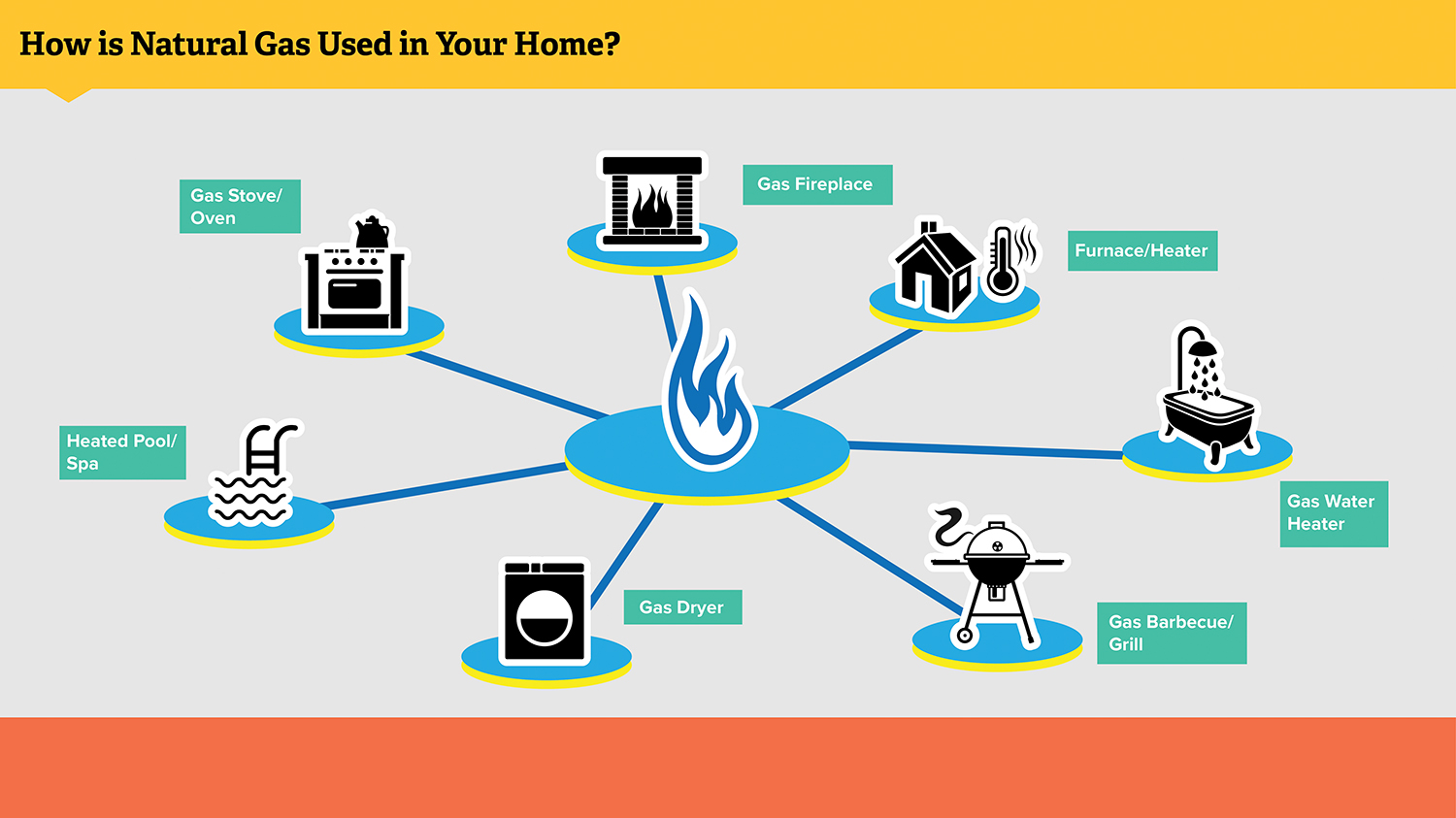
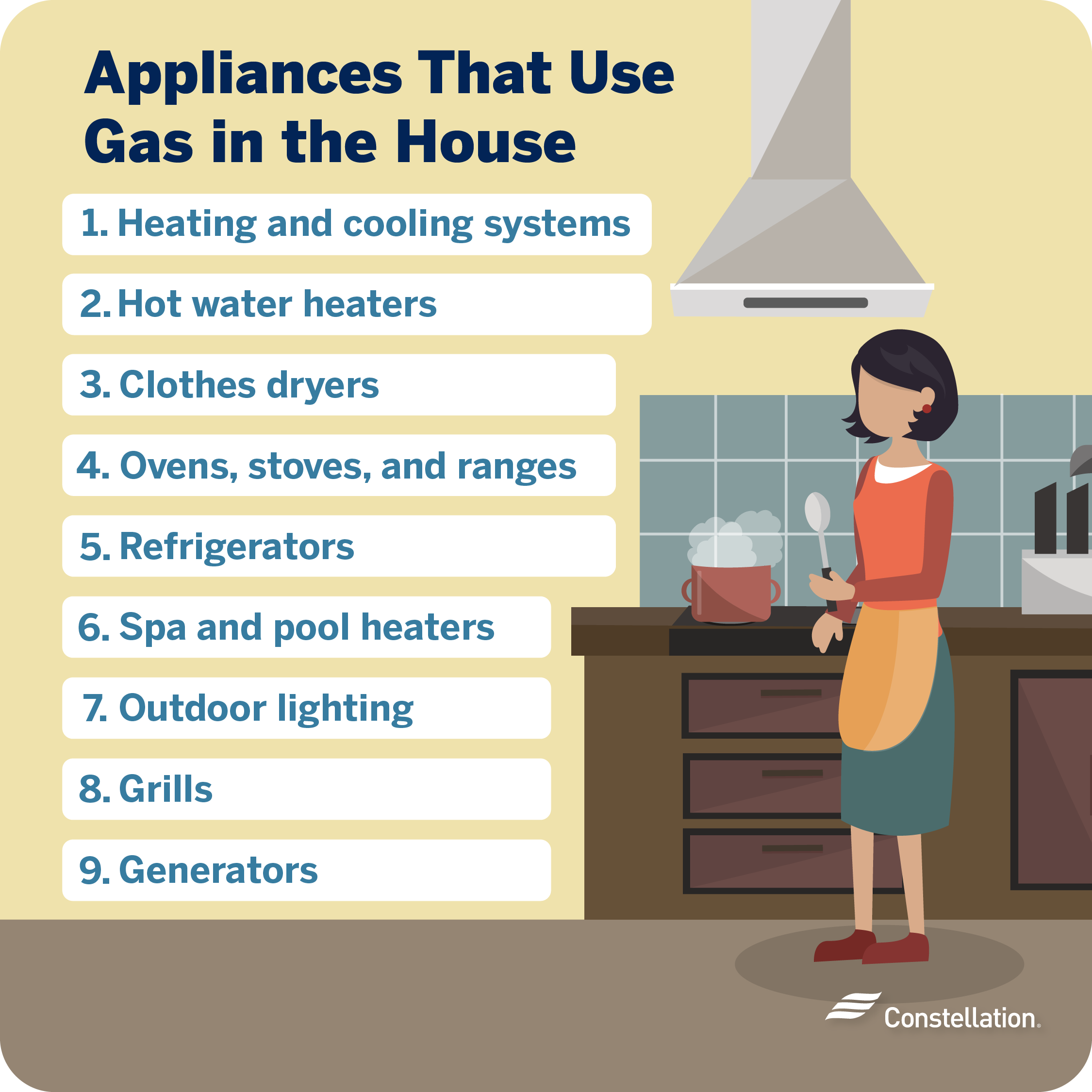
Natural gas is lighter than air, which is a key safety point we'll touch on later. It's used for practically everything that needs heat: your furnace keeping you toasty, your water heater ensuring those glorious hot showers, your stove and oven for whipping up culinary masterpieces, and even clothes dryers. It’s the unsung hero of many a cozy evening.

What About Its Cousin: Propane?
Okay, so natural gas is the big player for most piped-in systems. But what if you live in a more rural area, or maybe your home isn't connected to a gas line? Or perhaps you just want to fire up the grill on the patio? That's where propane (also known as Liquefied Petroleum Gas, or LPG) steps in!
Propane is another highly versatile gas used in homes, but with a crucial difference: it's stored in tanks, not delivered through underground pipes. You've definitely seen these – the big white or grey tanks outside homes or smaller ones attached to your BBQ.
It’s compressed into a liquid for storage, which is why it's 'liquefied.' When you open the valve, it converts back into a gas, ready to fuel your appliances. Propane is often the go-to for homes off the main natural gas grid, powering everything from heating systems to water heaters, generators, and of course, those glorious outdoor grills. Summer BBQs, anyone?
A significant difference? Propane is heavier than air. This means if there's a leak, it tends to sink and collect in low-lying areas. It’s an important distinction when it comes to safety protocols.
How Do You Know What You Have?
Chances are, you already know. If you get a monthly bill from a "gas company" and don't have large tanks outside your home, you're almost certainly using natural gas. If you have big tanks and need them refilled periodically, congratulations, you're a propane user! It’s usually pretty straightforward.

The Nose Knows: A Crucial Safety Note!
Here’s something super important. Both natural gas and propane are naturally odorless. Yeah, you read that right. So, how do we smell a gas leak? Engineers, being clever folks, add a harmless chemical called mercaptan to the gas.
Mercaptan is what gives gas that distinct, rotten-egg or sulfur-like smell. It’s unmistakable, and it's your early warning system. If you ever smell gas, trust your nose! Get out, stay out, and call your utility company or 911 immediately. Don't take chances.
Also, make sure you have working carbon monoxide detectors in your home, especially if you have gas appliances. Carbon monoxide is an odorless, colorless, and tasteless gas produced by incomplete combustion, and it can be deadly. Safety first, always!
The Convenience We Often Overlook
So, there you have it! The next time you effortlessly ignite your stove or bask in the warmth of your home, you'll know exactly what type of gas is making it all happen. Whether it's the continuous flow of natural gas or the tanked convenience of propane, these fuels play a vital role in our daily comfort and routines.
It’s easy to take these things for granted, isn't it? But knowing a little more about what fuels our homes can give us a greater appreciation for the infrastructure and science that keeps our lives running smoothly. And hey, it's a pretty cool tidbit to share at your next dinner party. You're welcome!