
What Type Of Fire Extinguisher For Grease Fire
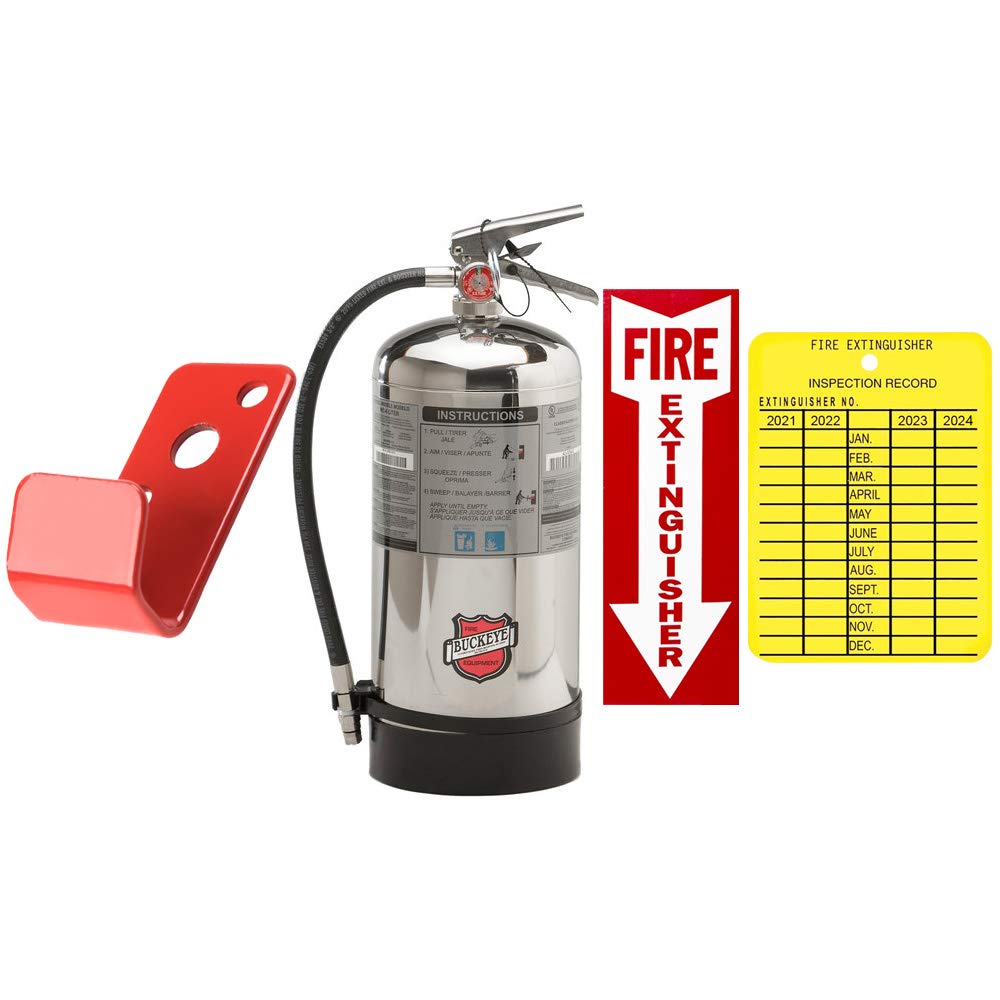
There's nothing quite like the sizzle and aroma of a delicious meal coming to life in your kitchen. Maybe it's crispy fried chicken, golden potato pancakes, or even just some bacon for a Sunday brunch. The oil is hot, the food is cooking, and life is good.
Then, suddenly, a flicker. A tiny flame dances in the pan. Your heart does a little flip-flop. That's right, you've got a grease fire on your hands. Panic might start to bubble, faster than the oil ever did.
The Great Water Misconception
When most of us see flames, our first instinct is often to reach for water. It’s what we’ve been taught since childhood for campfires and general extinguishing. But with a grease fire, this instinct is dangerously wrong.
Must Read
Imagine, if you will, a mini fireworks display, but inside your kitchen. Pouring water onto a burning pan of oil is like adding fuel to a very angry, fiery storm. The water instantly sinks to the bottom, superheats, and turns into steam.
This steam then violently erupts, carrying the burning oil with it. Suddenly, your small pan fire becomes a much larger, potentially room-engulfing inferno. It’s a spectacular, terrifying, and utterly destructive sight you absolutely want to avoid.
“Never, ever put water on a grease fire. It’s the fastest way to turn a small problem into a giant, blazing catastrophe.”
The Humble Kitchen Heroes: Lids and Baking Soda
So, if water is the enemy, what's a home chef to do? Fear not, for the solutions are often simpler, and closer, than you might think. Our first line of defense comes from the unassuming heroes of your very own kitchen.

The number one superhero for a pan fire is often a simple lid. If you can safely place a metal lid over the burning pan, you've just cut off the oxygen supply. With no oxygen, the fire quickly smothers itself and goes out.
It’s an elegant solution, quick and remarkably effective. Remember, safety first! Use oven mitts and approach carefully to place the lid, keeping your face and body away from the flames.
Another fantastic ally against a small grease fire is good old baking soda. Not baking powder, mind you, but pure baking soda. When sprinkled generously onto the flames, it releases carbon dioxide, which also helps to smother the fire.
Think of it as giving the fire a big, fluffy, CO2 blanket. It’s incredibly satisfying to watch a small flame vanish under a cloud of baking soda, knowing you just averted a kitchen crisis with a pantry staple.
Enter the Specialist: The Class K Extinguisher
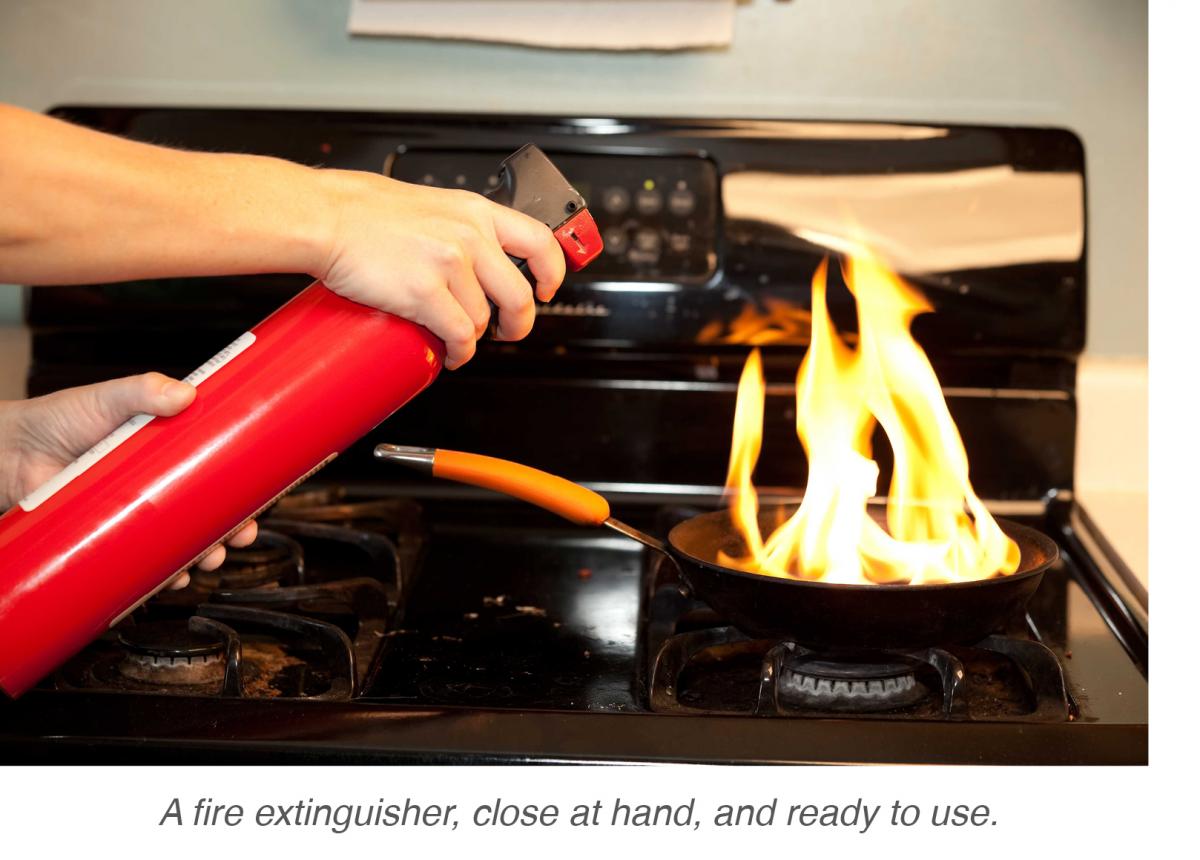
While lids and baking soda are wonderful for small, contained fires, what about something a little more robust? For serious home cooks, or those who simply want ultimate peace of mind, there's a specialized tool for the job.
Meet the Class K fire extinguisher. This isn't your everyday, run-of-the-mill extinguisher. It’s specifically designed for fires involving cooking oils and fats, the very definition of a grease fire.
You’ll often find Class K extinguishers in commercial kitchens – think bustling restaurants and busy diners. They use a special wet chemical agent that not only smothers the fire but also cools the oil, preventing re-ignition.
Having a Class K extinguisher in your home kitchen might seem a bit over-the-top, but for those who love to deep fry or cook with significant amounts of oil, it's the ultimate safety net. It’s like having a specialized superhero, just for your culinary adventures.

The "Don't Do It" List
Just as important as knowing what to do, is knowing what not to do. We've covered water, but let's quickly list a few other common, yet dangerous, reactions to a grease fire.
Never try to move the burning pan. It’s heavy, it’s hot, and spilling that burning oil would instantly spread the fire. Resist the urge to carry it to the sink or outside.
Never use flour, sugar, or any other powdered food item that isn't baking soda. These can actually exacerbate the fire, or in the case of flour, even explode in a terrifying dust explosion.
And absolutely, never try to fan the flames or blow on them. You're just adding more oxygen, and we know by now that oxygen is a fire's best friend.
The Warmth of Preparedness
The surprising truth about grease fires isn't just about what type of extinguisher to use; it's about the feeling of empowerment. It’s knowing that you have the knowledge and tools to keep your home, and your loved ones, safe.
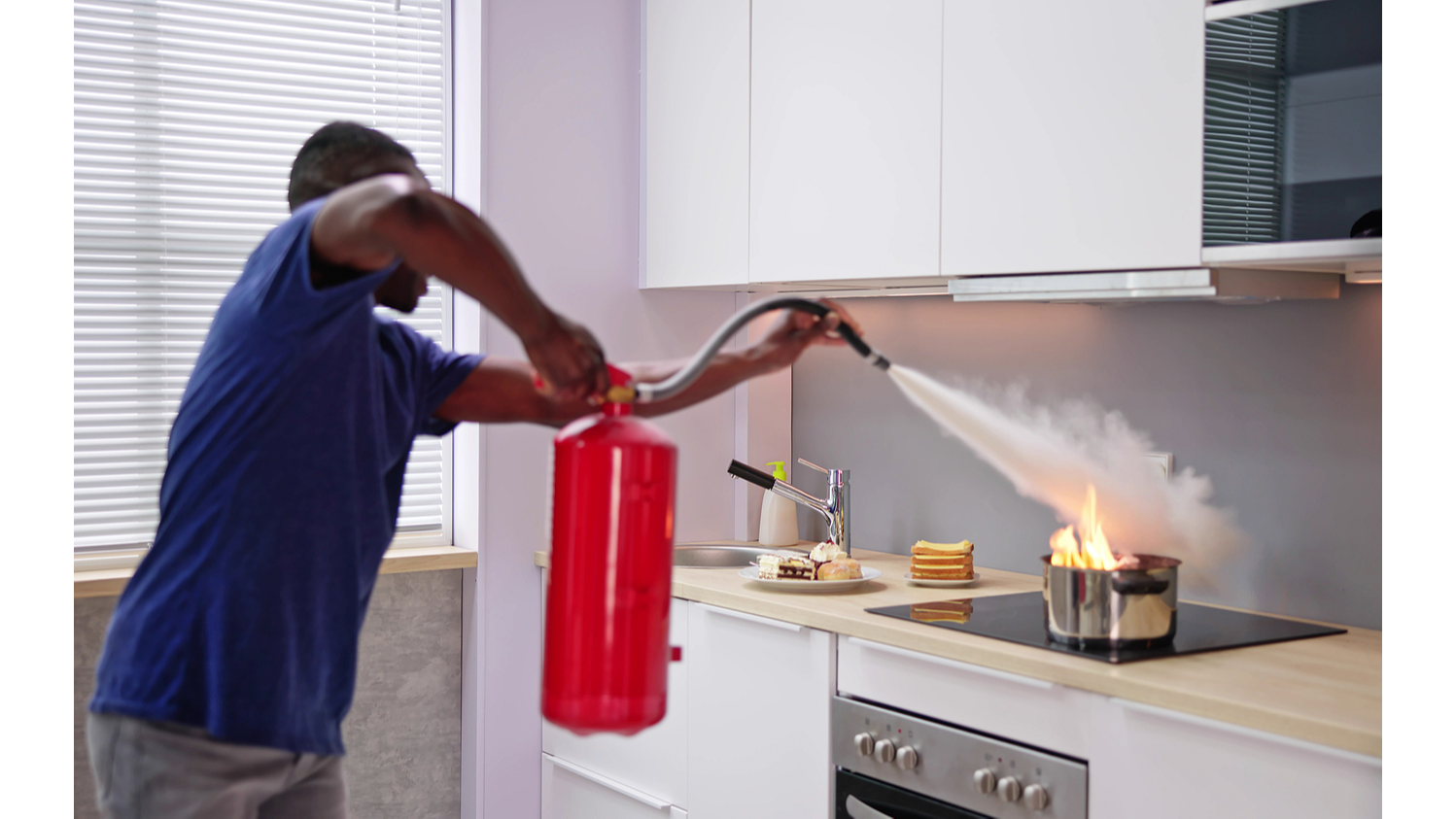
Imagine the scenario: the fire starts, but instead of panic, a calm sense of purpose takes over. You grab the lid, or a box of baking soda, or even your trusty Class K extinguisher. You handle it, quickly and safely.
That feeling of control, of having protected your sanctuary, is incredibly heartwarming. It's not just about putting out a fire; it's about safeguarding memories, futures, and the simple joy of cooking without fear.
So, next time you're in the kitchen, take a moment. Locate your pan lids. Check for baking soda. Maybe even consider that specialized Class K extinguisher. It's a small investment for enormous peace of mind.
Because every kitchen should be a place of culinary delight, not a hotbed of unexpected drama. Knowing how to handle a grease fire means you can continue to cook, create, and share delicious moments, safely and happily.