What Type Of Energy Is Thermal
Ever found yourself lost in the mesmerizing dance of flames in a fireplace, or felt the comforting warmth radiating from a freshly brewed cup of tea? Perhaps you’ve marveled at the exquisite artistry of a glassblower, transforming molten silica into delicate forms, or the robust beauty of a ceramic pot born from intense heat. What’s the invisible force at play, the common thread weaving through all these experiences, from the everyday to the extraordinary? It's none other than thermal energy, the fundamental energy of warmth and transformation that surrounds us, often unnoticed, yet incredibly popular in its myriad applications.
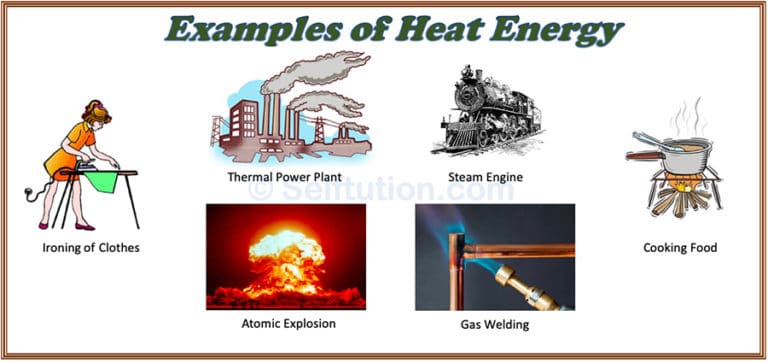
Far from being a dry scientific concept, understanding thermal energy opens up a world of creative potential and deepens our appreciation for how things work. For artists, it’s the very essence of their craft: from the kilns that fire pottery to shimmering perfection, to the furnaces that allow glassblowers to sculpt with light, or blacksmiths to forge metal into powerful shapes. It’s the energy that enables the shaping of materials, bringing imagination to tangible life. For hobbyists, thermal energy is the secret ingredient in countless pursuits – perfecting a sourdough loaf in the oven, soldering electronics, or even crafting beautiful candles. Casual learners, too, benefit immensely; a basic grasp of thermal energy helps explain why water boils, how a blanket keeps us warm, or why different materials feel hot or cold to the touch. It ignites curiosity and makes the world around us feel more comprehensible and, frankly, more magical.
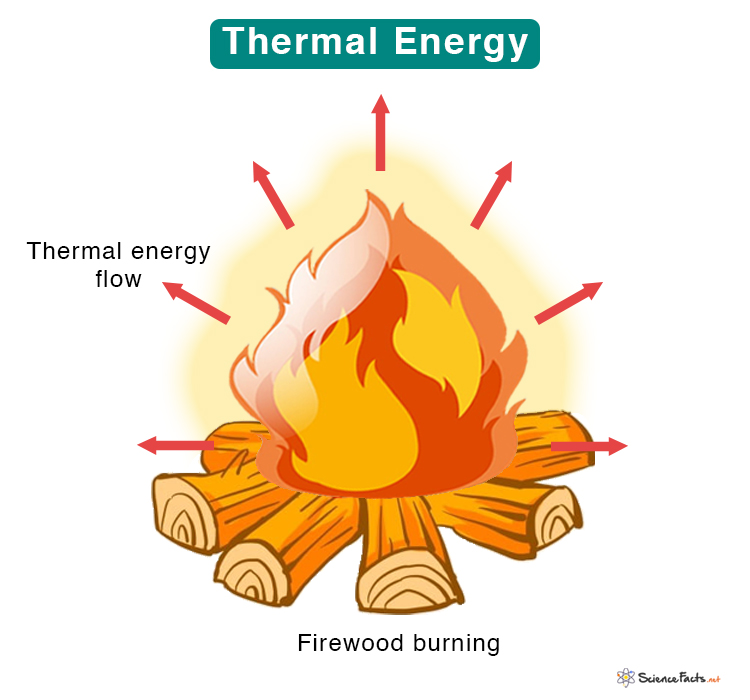
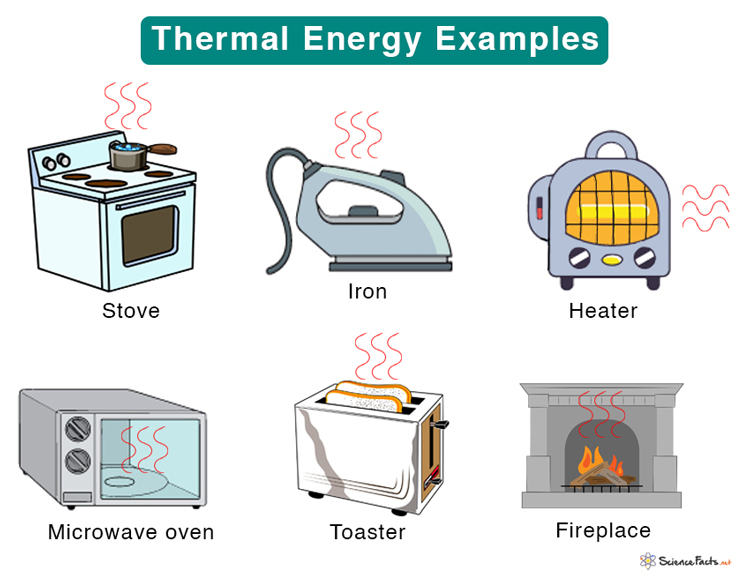
The "styles" and "subjects" of thermal energy are as diverse as human creativity itself. Consider the flowing, organic lines possible with glass blowing, contrasting with the earthy, stable forms of pottery. There's the precise, transformative power in metalwork, where heat changes the very structure of materials, or the subtle nuances in culinary arts, where varying temperatures coax different flavors and textures from ingredients. Beyond artistic endeavors, we experience its variations in the gentle conduction of heat through a warm mug, the convection currents warming a room from a heater, or the comforting radiant heat from a bonfire on a cool night. Each interaction is a testament to its pervasive influence.
Must Read
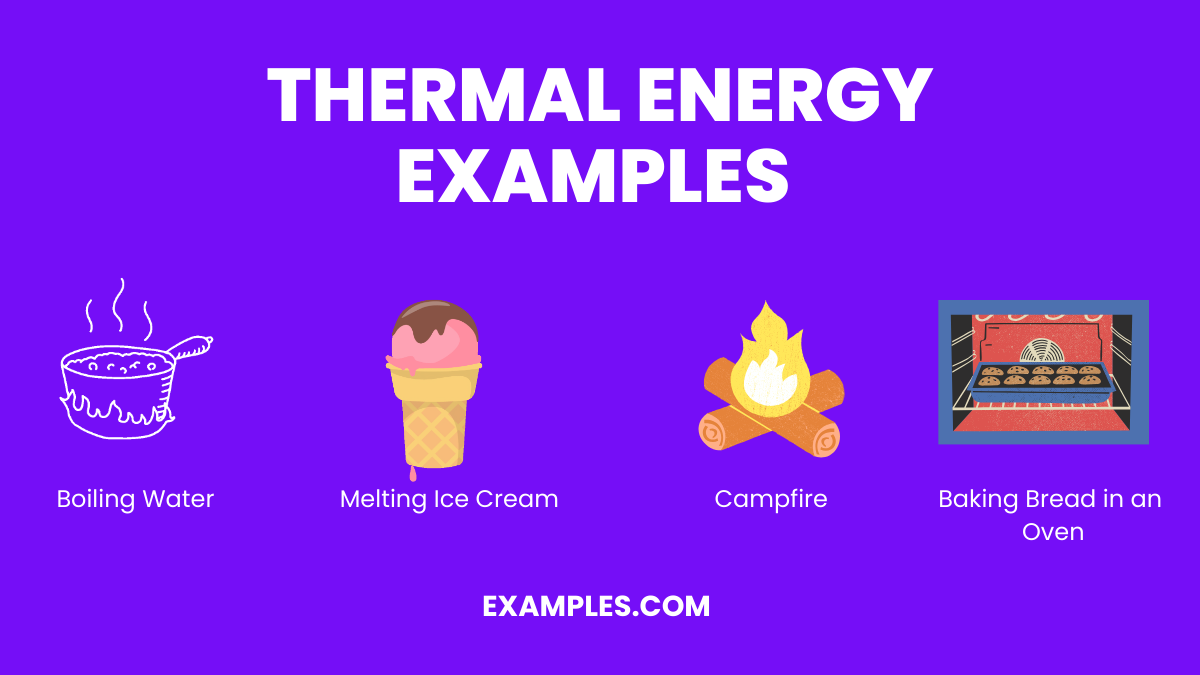
So, how can you explore the wonders of thermal energy at home? Start with simple, safe observations. Engage in some culinary experiments: notice how a pancake changes texture and color as heat is applied, or how boiling water transforms solid pasta into a soft meal. Try making a warm drink and focus on the sensory exploration: the steam rising, the heat spreading through your hands, the warmth traveling down your throat. You can also observe how ice melts, or place different objects (a metal spoon, a wooden block, a piece of fabric) on a table and feel them – why do they feel different even if they’re at the same room temperature? These are all safe observation points for understanding heat transfer. Always remember to prioritize safety when experimenting with heat.
Ultimately, engaging with thermal energy is deeply enjoyable because it connects us to fundamental forces that govern our world. There’s profound satisfaction in witnessing transformation, whether it’s baking bread or simply watching ice melt. It offers comfort, stimulates creativity, and invites us to appreciate the subtle, yet powerful, dynamics of our environment. It’s the invisible warmth that brightens our days and empowers our hands, truly an everyday form of magic.