
What Type Of Energy Is The Sun
Our Ever-Loving Star, The Sun
We all love the Sun, don't we? It's that warm, bright friend in the sky that wakes us up, helps plants grow, and makes beach days absolutely perfect.
It gives us beautiful light, amazing warmth, and without it, life on Earth wouldn't exist. We truly owe so much to this magnificent celestial body.
But have you ever really stopped to think: what kind of energy is the Sun actually using? It's not just a giant light bulb, after all!
Must Read
Not Your Backyard Bonfire
Many of us might imagine the Sun is like a giant ball of fire, constantly burning. We see flames and heat, so it makes sense, right?
Well, here's the first surprising twist: the Sun isn't "burning" in the way a campfire or a candle flame burns. There's no oxygen in space for things to combust!
So, forget about wood or gas; the Sun's energy source is something far more incredible, far more powerful, and yet surprisingly gentle.
"It’s not just a big, hot lamp; it’s the universe’s most efficient, long-lasting nuclear reactor, humming along gently for billions of years."
The Sun's Secret Sauce: Cosmic Hugs
The real secret behind the Sun's power is something called nuclear fusion. It sounds super technical, but let's break it down simply.
Imagine tiny, microscopic particles, like a room full of energetic dancers. In the Sun's core, these dancers are primarily hydrogen atoms.
Instead of burning, these tiny hydrogen atoms are squished together with immense force, under incredible heat, until they literally fuse into something new.
Hydrogen's Big Squeeze
Deep within the Sun's core, the pressure is mind-bogglingly intense. Think of something weighing millions of times more than Earth itself, pushing down.
Combined with temperatures reaching millions of degrees, the conditions are perfect for an extraordinary cosmic dance party. The hydrogen atoms are pushed closer and closer.
They get so close, so hot, and so crowded that their nuclei overcome their natural repulsion and literally merge. They "hug" together very, very tightly.
A Brand New Atom is Born!
When four hydrogen atoms get their super-strong "cosmic hug," they don't just stay hydrogen. They transform into a slightly heavier atom: helium.
This is like a magical alchemy happening constantly inside our star. The Sun is literally cooking up new elements right before our eyes (well, billions of miles away!).
Here's the crucial part: when this transformation from hydrogen to helium occurs, a tiny bit of leftover mass is converted into a huge burst of pure energy.
From Tiny Hugs to Giant Light
This released energy is what we experience as the Sun's magnificent light and glorious heat. It’s a direct product of those tiny atomic "hugs."
The energy is initially released in the form of incredibly fast-moving particles, like tiny little messengers carrying cosmic news. These are mostly photons.
These photons are born in the very center of the Sun, and their journey to the surface is one of the most surprising tales in the universe.
The Incredible Journey of a Photon
You might think that once a photon is created, it zips straight out of the Sun. Oh, how wrong that thought would be!
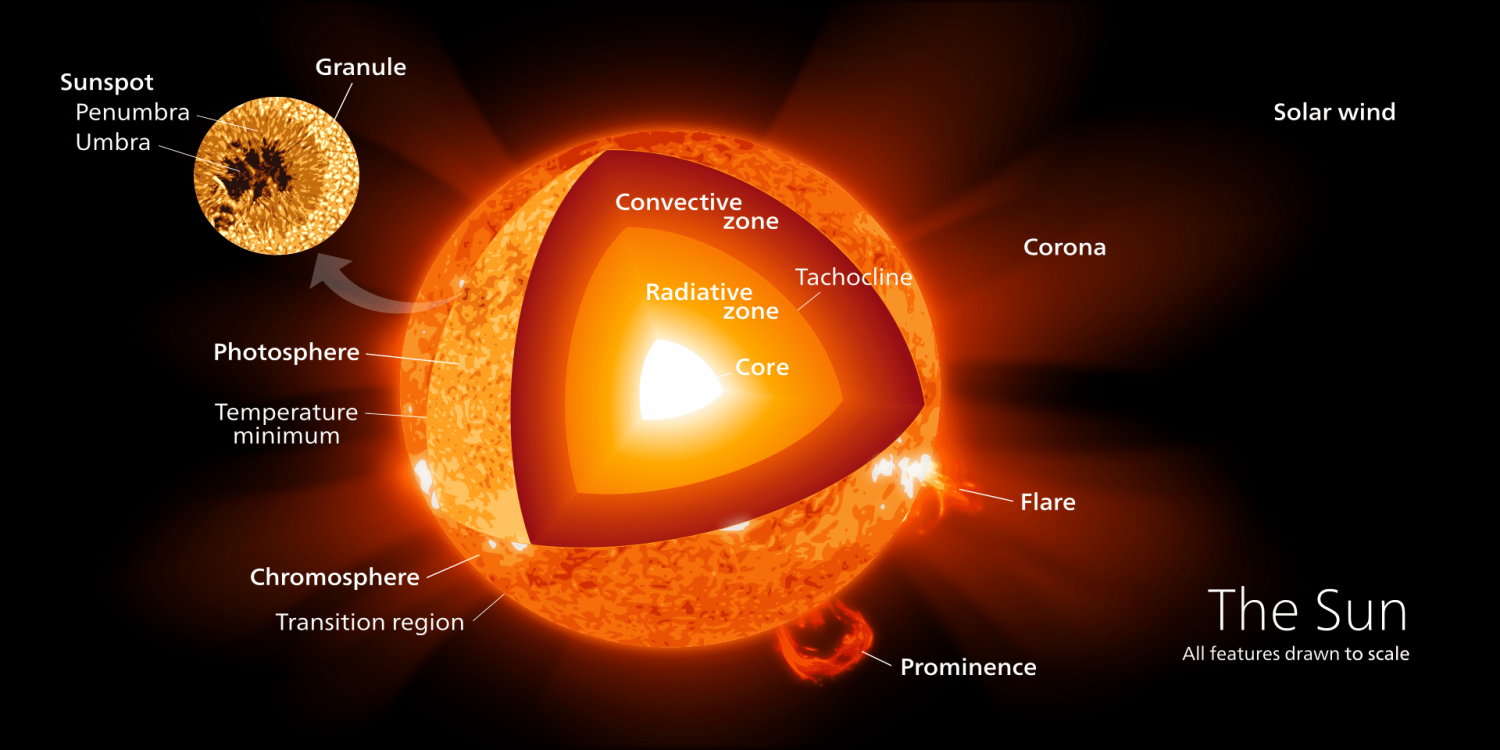
Inside the Sun, it's so incredibly dense that a photon, like a tiny ball in a cosmic pinball machine, bounces around endlessly. It takes a detour, then another, then another.
It can take tens of thousands, or even hundreds of thousands of years, for a single photon to finally escape the Sun's incredibly thick interior and reach the surface.
Imagine that! The light warming your face today might have started its journey when woolly mammoths roamed the Earth. It’s the ultimate slow-burn delivery service.
The Sun's Long-Distance Love Letter
Once a photon finally breaks free from the Sun's surface, it then embarks on the final leg of its incredible journey: a high-speed dash across space.
It rockets through the vacuum, travelling millions upon millions of miles to reach us. This part, thankfully, is much quicker than the escape from the core.
In just about eight minutes, that same photon that started its journey eons ago reaches our planet. It’s the universe’s fastest, most consistent mail delivery!
Earth's Grand Reception
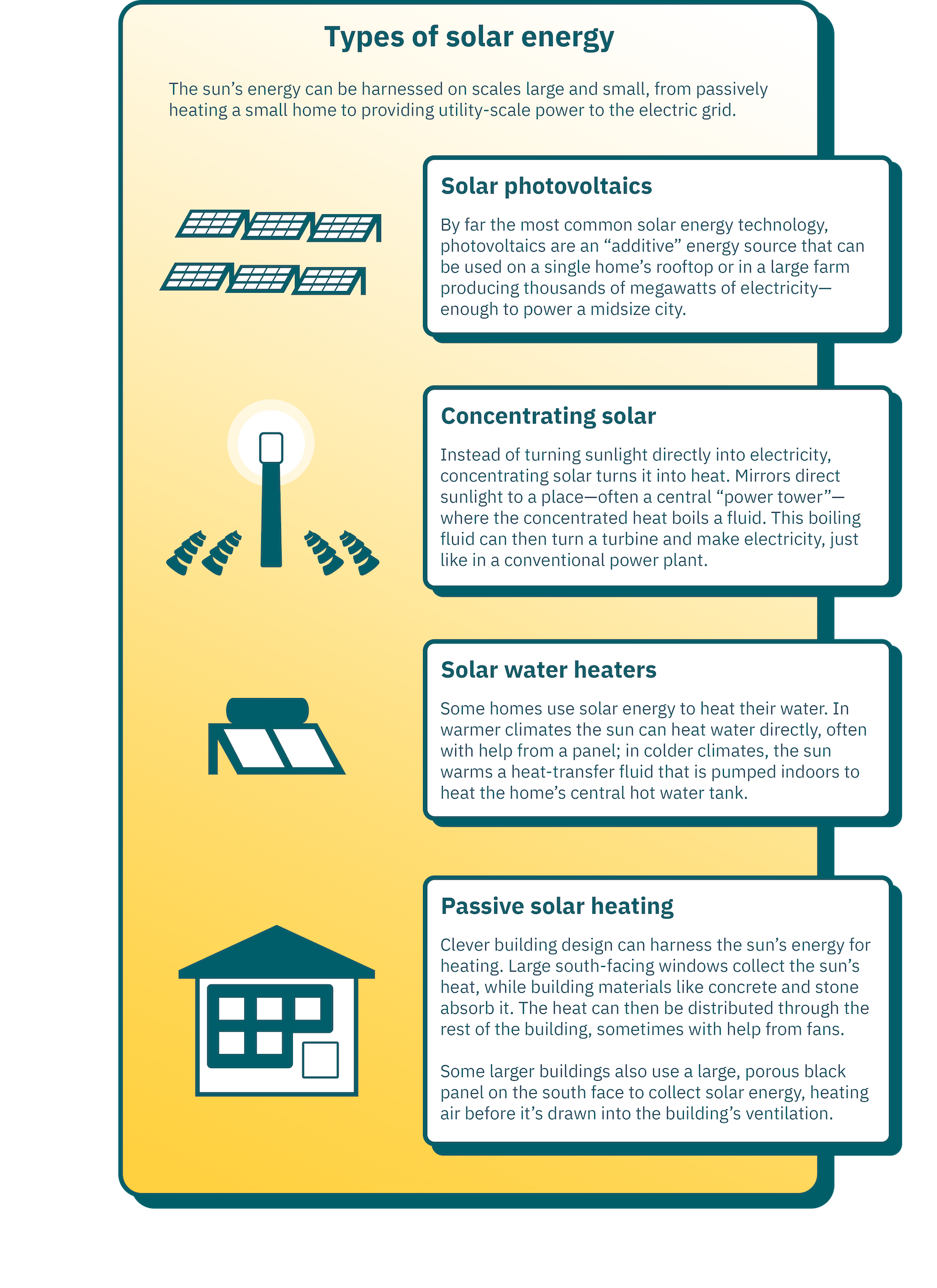
When these photons arrive, they bring with them all the power and wonder of the Sun's nuclear fusion. They hit our atmosphere, our land, and our oceans.
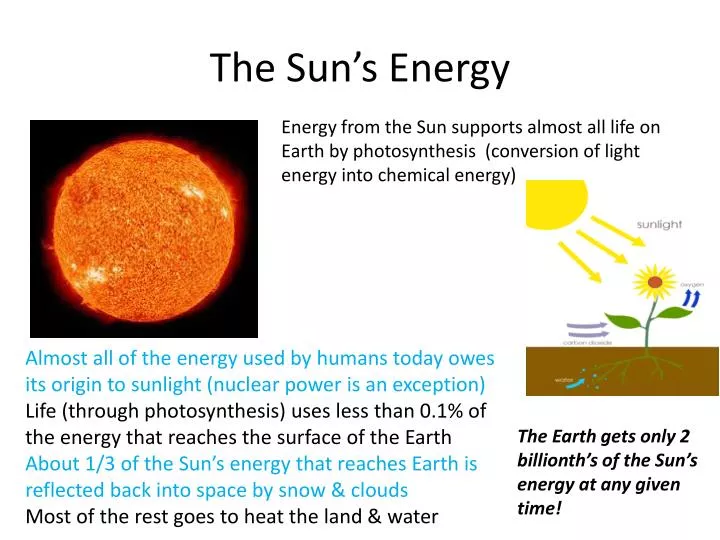
This continuous bombardment of gentle energy makes our world vibrant. It’s what allows plants to perform photosynthesis, converting light into the food we eat and the oxygen we breathe.
.PNG)
It heats our planet, creates weather patterns, and warms our skin on a chilly morning. Every sunrise is a fresh delivery of this amazing cosmic energy.
Our Gentle Giant: Billions of Years and Counting
The Sun has been performing this astonishing feat of nuclear fusion for approximately 4.5 billion years. Think about that longevity!
It's an incredibly stable and efficient process. Our star is a true testament to sustainable energy, a natural, long-lasting powerhouse for our entire solar system.
And here's the truly heartwarming part: the Sun has enough hydrogen fuel in its core to continue this process for another 5 billion years or so.
That means our cosmic furnace will continue to shine, creating helium and light, for many, many generations to come. It's truly a reliable, steadfast friend.
A Reliable Friend
The Sun is like that incredibly dependable friend who is always there for you, offering comfort and support without asking for anything in return.
Its consistent energy output is a silent promise, a daily gift that ensures life on Earth can continue to thrive and flourish.
It's a hardworking, tireless hero in our sky, always ready to brighten our days and fuel our world.

The Heartwarming Power of a Star
Next time you feel the glorious warmth of the Sun on your skin, or marvel at a beautiful sunset, take a moment to truly appreciate what you're experiencing.
It’s not simply a big, hot ball. It’s the culmination of billions of years of tiny hydrogen atoms performing cosmic hugs, turning into helium, and releasing pure energy.
This gentle output of fusion energy is a profound wonder, a constant reminder of the incredible forces at play in our universe, all working to sustain us.
More Than Just Warmth
The Sun's energy fuels our spirits, boosts our vitamin D, and helps regulate our sleep. It literally powers the cycles of life around us.
It paints the skies with vibrant colors at dawn and dusk, creates rainbows after a storm, and makes the shimmer of light on water a beautiful sight.
The Sun, powered by its gentle yet immense nuclear fusion, is not just a source of energy; it's a source of inspiration, life, and everyday magic.
A Final Bow to Our Brilliant Sun
So, the next time you bask in the glorious glow of our closest star, remember its amazing secret. It’s not fire, it’s fusion.
It’s a magnificent, slow-burning atomic powerhouse, sending us incredible amounts of light and heat from billions of tiny cosmic hugs.
A constant, reliable, and utterly heartwarming source of energy, delivered daily, just for us. What an incredible friend to have in the universe!