What Type Of Energy Is Stored In Fossil Fuels
Ever wonder where we get so much of the energy that powers our lives? From the cars we drive to the lights we switch on, a significant portion comes from fossil fuels. But what kind of energy are we actually talking about? Understanding this isn't just a dry science lesson; it's like peeking behind the curtain to see how the world's engine really works. It also helps us appreciate the importance of exploring alternative energy sources. So, let's dive into the fascinating world of fossil fuels and the energy they hold!
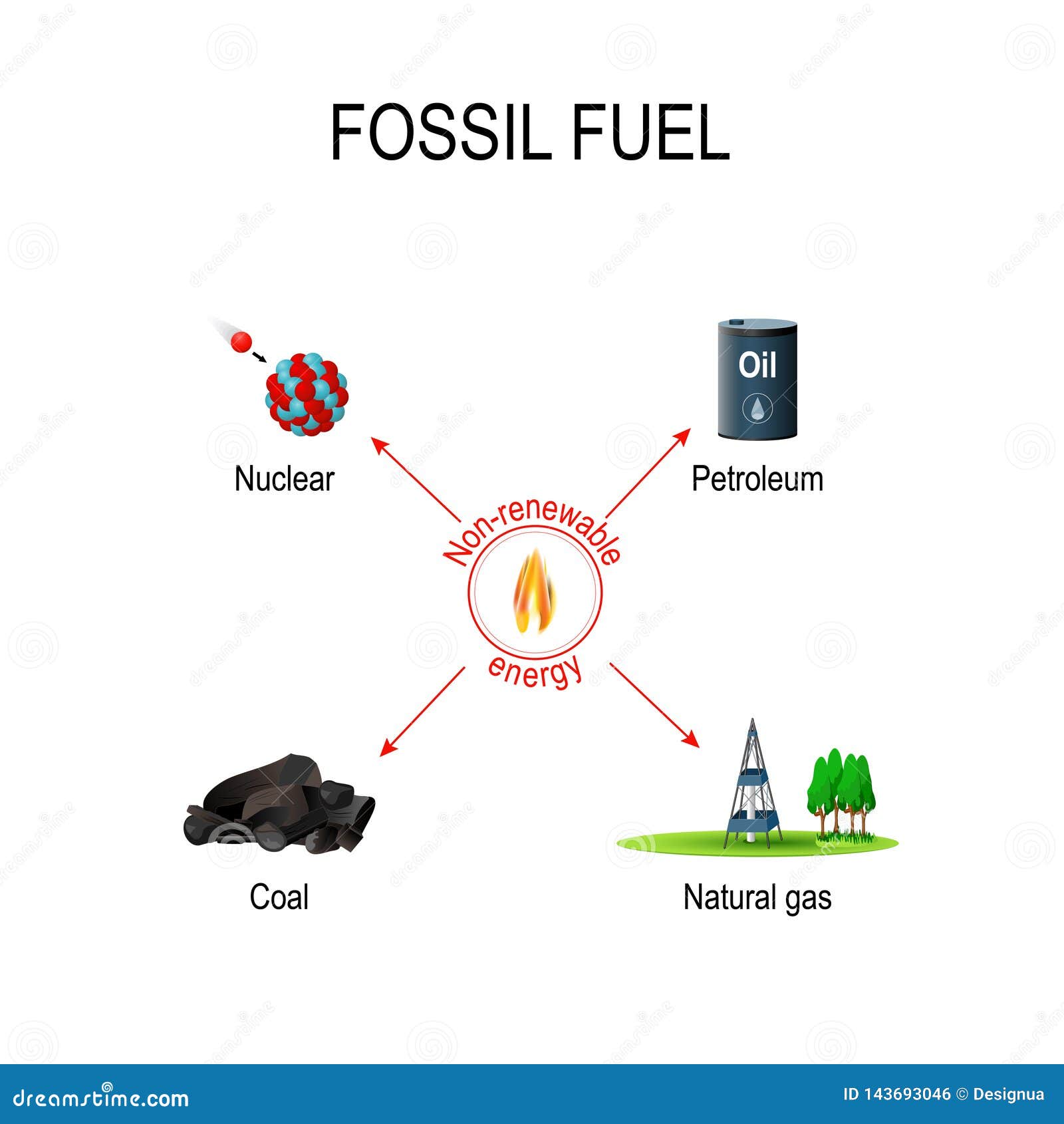
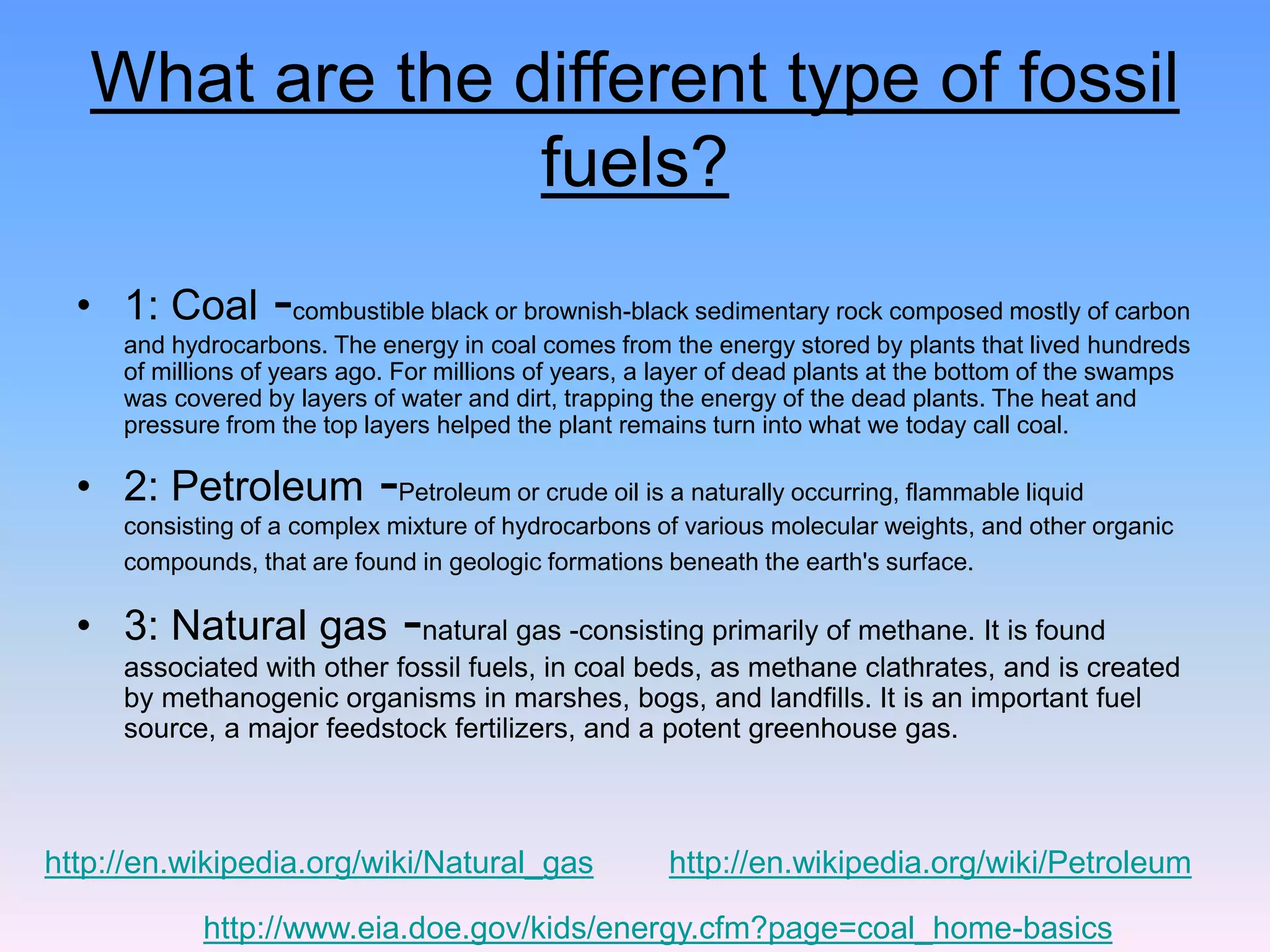
At its core, fossil fuels store chemical energy. Think of it like this: imagine building with LEGOs. You need to put them together to create something, right? Chemical energy is similar. It's the energy stored in the bonds between atoms and molecules that make up things like coal, oil, and natural gas.
For Beginners: Imagine wood burning in a fireplace. The wood contains chemical energy, and when you light it, that energy is released as heat and light. Fossil fuels are essentially "ancient wood" (or plant and animal matter) that's been compressed and heated for millions of years, concentrating that stored chemical energy.
Must Read
For Families: Think about the food you eat. It gives you energy to play and learn. Food also contains chemical energy! When you eat, your body breaks down the food and releases that energy, just like burning fossil fuels releases energy. It is important for your family to understand what type of energy powers their lives.
For Hobbyists: Consider a model rocket. The rocket fuel contains chemical energy. When the fuel ignites, it rapidly converts that chemical energy into kinetic energy (the energy of motion), propelling the rocket upwards. The same basic principle applies to cars, power plants, and countless other applications using fossil fuels.
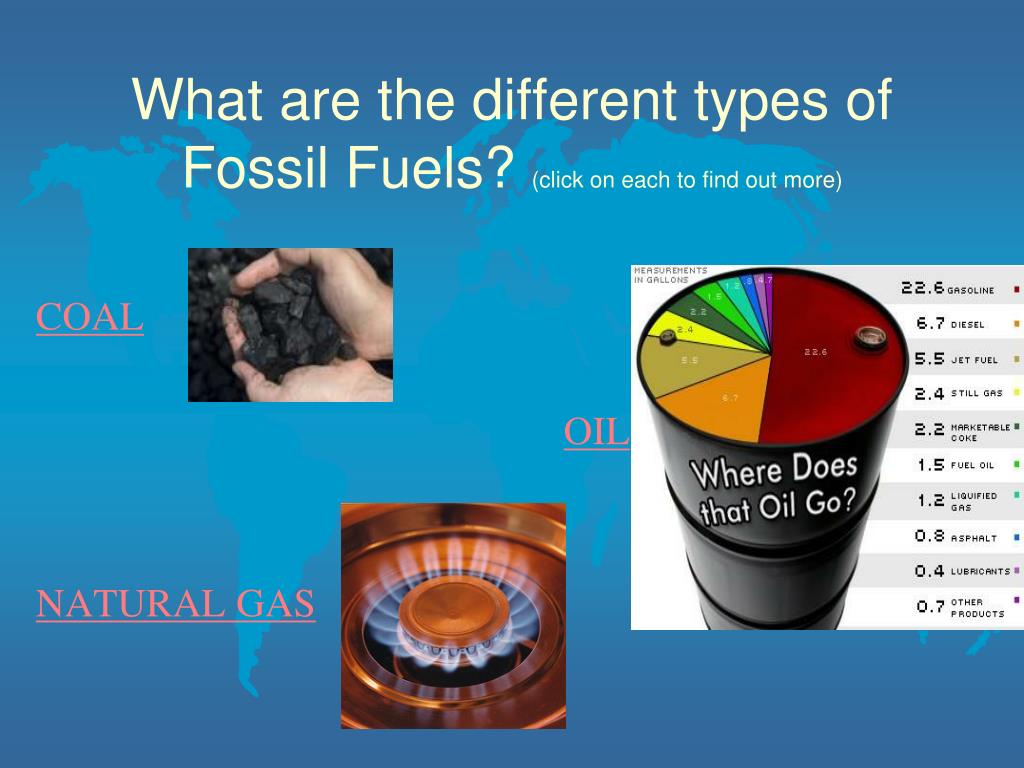
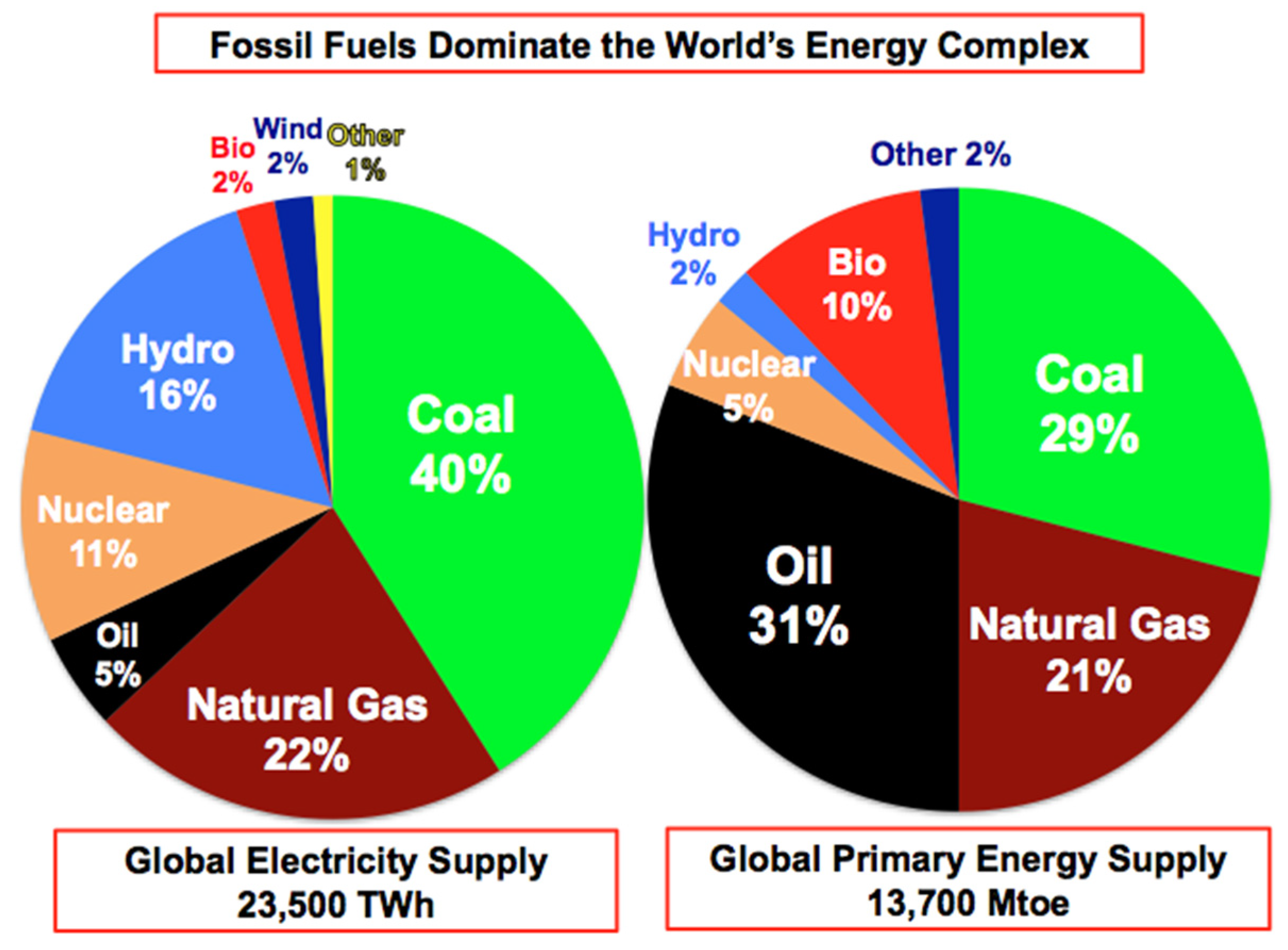
Examples and Variations: While all fossil fuels store chemical energy, the way that energy is harnessed varies. Coal is burned to heat water, creating steam that turns turbines to generate electricity. Oil is refined into gasoline for cars. Natural gas is often burned directly for heating or used to generate electricity. Even different types of coal or oil have slightly different chemical compositions, impacting the amount of energy they contain.
Practical Tips for Getting Started: Want to learn more? Start by researching the history of fossil fuels. Explore how different types of fossil fuels are extracted and processed. Even better, look into renewable energy alternatives like solar and wind power. Understanding the limitations of fossil fuels helps us appreciate the need for sustainable solutions.
In conclusion, understanding that fossil fuels store chemical energy opens a door to understanding a huge part of our world's energy system. It’s a knowledge that's both practical and fascinating, helping us to appreciate the power and the potential of the energy all around us. The more we learn, the better equipped we are to make informed choices about our energy future.