
What Type Of Energy Is Biomass
Ever gazed at a crackling fireplace on a chilly evening, feeling that deep, primal warmth? Or perhaps you’ve seen a lush garden bursting with life, full of greens and blooms. What if I told you that the energy radiating from that cozy fire and the vibrant energy captured in those plants are fundamentally connected, part of the same incredible energy story we call biomass?
In our quest for understanding where our energy comes from, biomass often pops up as a buzzword. But what type of energy is it, really? Let’s break it down in a way that feels less like a science lesson and more like a conversation with a friend over a matcha latte.
The Green Heart of Energy: What is Biomass?
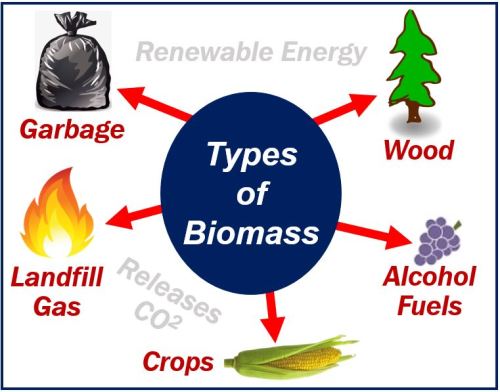
Simply put, biomass is organic matter. Think of anything that was recently alive or is still alive: plants, trees, agricultural waste, animal waste, even algae. It’s essentially nature’s own energy storage system. From the towering redwoods to the humble kitchen scrap, if it’s organic and can be used as a fuel, it falls under the umbrella of biomass.
Must Read
This isn't some futuristic tech straight out of a sci-fi novel. Humans have been harnessing biomass since, well, forever! Our ancestors discovered fire by burning wood, the most classic form of biomass energy, thousands of years ago. It’s literally the energy that built civilizations, warmed homes, and cooked meals for millennia.
It's Renewable, and It's Solar!
Here’s the cool part: biomass energy is fundamentally renewable energy. Why? Because the plants and trees we use can be regrown. It’s part of a natural cycle. As long as the sun shines and water falls, plants will continue to grow, absorbing carbon dioxide and converting sunlight into chemical energy. This brings us to another key point:
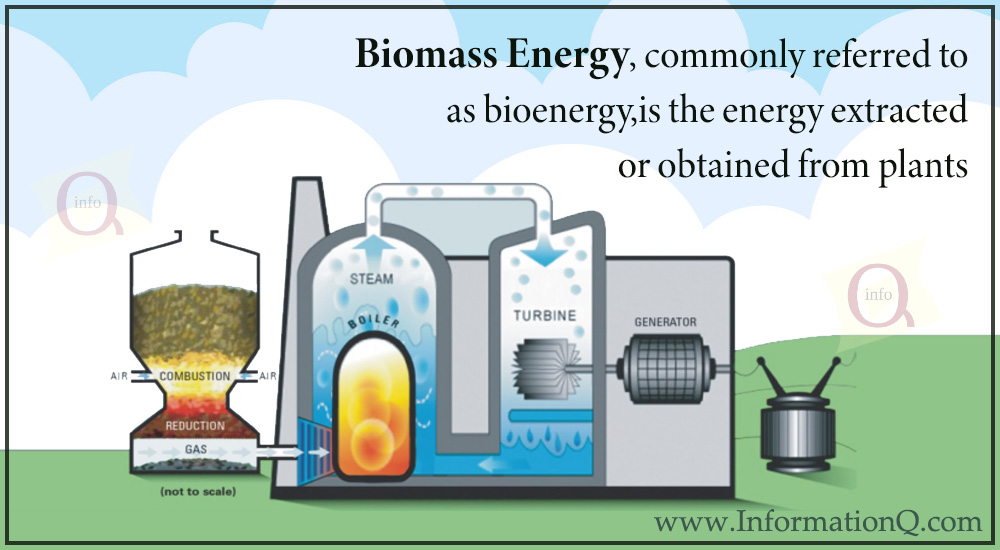
Biomass is, in essence, stored solar energy. Plants perform an incredible trick called photosynthesis, capturing sunlight and converting it into sugars, starches, and other organic compounds. When we utilize biomass, whether by burning it or converting it into biofuels, we are essentially releasing that stored solar energy. Think of it like a biological battery, charged by the sun!
How We Tap into Nature's Power Grid
So, how do we get this energy out? There are a few clever ways:

- Direct Combustion: The most straightforward way! Burning wood logs in a fireplace, using wood pellets in a stove, or even burning agricultural waste in industrial boilers to generate electricity. This is where that cozy fire warmth comes from.
- Biofuels: Ever put ethanol in your car? That often comes from biomass like corn or sugarcane through fermentation, creating liquid fuels that can power vehicles. It's like distilling sunshine into gasoline.
- Biogas: This one's fascinating. When organic matter like animal manure or food waste breaks down in an oxygen-free environment (called anaerobic digestion), it produces methane gas – a clean-burning fuel that can be used for cooking, heating, or generating electricity. Think of it as controlled natural decomposition, yielding energy!
Fun Fact: Did you know that some commercial flights are now experimenting with jet fuel made from algae or other plant oils? Talk about high-flying biomass!
Bringing Biomass Home: Practical Tips & Cultural Nods
You don't need a massive power plant to interact with biomass energy. Here are a few ways it shows up in your daily life, and how you can embrace it:

- Composting Gold: Your kitchen scraps (fruit peels, coffee grounds, veggie trimmings) are packed with potential. Composting them turns them back into nutrient-rich soil, feeding new plant life – a beautiful, closed-loop biomass system right in your backyard!
- Sustainable Sourcing: If you use wood for heating, look for sustainably harvested wood. Many cultures traditionally manage forests for continuous yield, showing respect for this renewable resource.
- Garden Waste Wisdom: Instead of sending garden clippings to the landfill, chip them for mulch or add them to your compost. You're keeping that stored solar energy circulating and nourishing your soil.
- The Future of Plastics: Keep an eye out for "bioplastics" made from plant starches. While not energy-generating in the typical sense, they demonstrate biomass's versatility beyond fuel, offering alternatives to fossil-fuel-derived materials.
The Bigger Picture: A Sustainable Story
The beauty of biomass lies in its potential for sustainability. When managed responsibly, harvesting biomass can help reduce waste, provide a local energy source, and contribute to a circular economy. It’s not a magic bullet, and sustainable sourcing is key to ensuring its benefits outweigh any environmental costs, but it offers a powerful way to leverage nature's ongoing energy cycle.
So, the next time you see a vibrant tree, a humble pile of garden trimmings, or even the steam rising from a composting bin, remember: you’re looking at more than just organic matter. You’re witnessing a beautiful, continuous cycle of stored solar energy, waiting to be rediscovered and repurposed. It’s a gentle reminder that some of the most powerful solutions can be found by simply reconnecting with the natural world around us.
