What Type Of Energy Is A Toaster
Have you ever stood in front of your toaster, waiting for that perfect golden-brown slice, and paused to wonder: what type of energy is actually doing all the magic in there? It's a question that might seem trivial, but understanding the energy behind such a common household item can unlock a fascinating appreciation for the world around us. Plus, it's pretty fun to demystify the everyday and see how basic science powers our lives, one crunchy slice at a time! We interact with energy transformations constantly, and the humble toaster offers a wonderfully simple, yet powerful, demonstration.
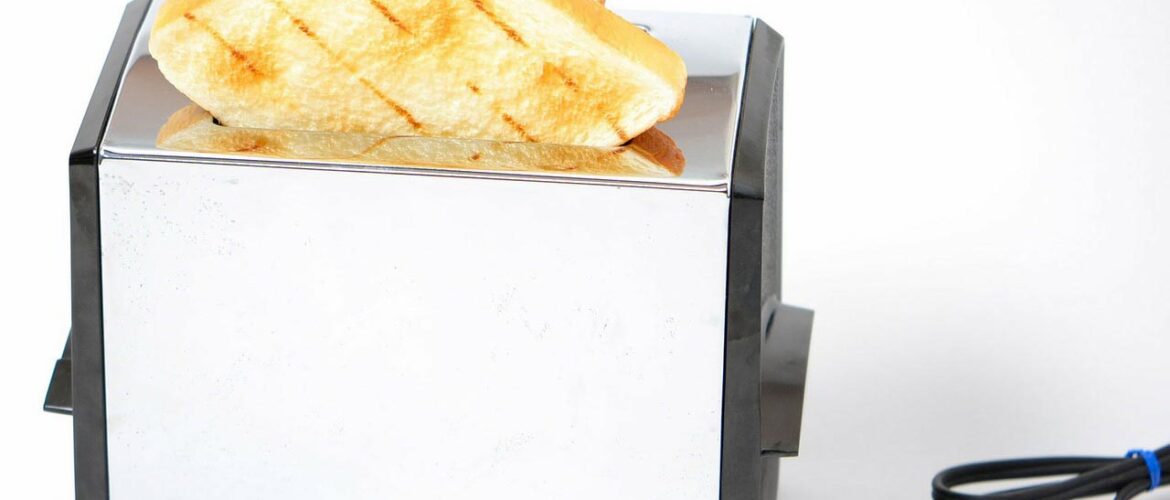
At its core, a toaster's purpose is elegantly simple: to transform soft bread into crispy toast. The energy type it harnesses for this task is, primarily, electrical energy. When you plug in your toaster and press the lever, you're essentially completing an electrical circuit. This electrical energy flows through special heating elements, usually made from a material like nichrome wire. The fantastic benefit here is the wire's electrical resistance. As electricity struggles to push through this resistance, it generates a significant amount of heat. This phenomenon is known as Joule heating or resistive heating, and it's precisely what radiates out, browning your bread to perfection. So, the toaster brilliantly converts readily available electrical energy into the very useful thermal energy (heat) that we need.
This fundamental principle of electrical energy converting to heat isn't just confined to your breakfast routine; it's a cornerstone in both education and daily life. In a physics classroom, the toaster is a perfect real-world example to teach about energy conversion, Ohm's Law, and basic circuits. Students can learn why some materials are good conductors and why others, like the nichrome wire, are chosen for their resistive properties to generate heat. Beyond academics, just look around your home! A hairdryer uses electrical energy to create hot air, an electric kettle heats water, and an electric oven bakes your dinner – all employing variations of the same electrical-to-heat conversion. Even a simple incandescent light bulb produces light because a filament gets so hot it glows, demonstrating another form of this energy interplay.
Must Read
Want to explore this concept further without becoming an electrical engineer? It's surprisingly easy and safe. The next time you toast bread, peek inside (from a safe distance!) and observe the heating elements glowing a vibrant red. That red glow is pure, visible heat energy radiating out. After you've unplugged it and it's had a moment to cool down, gently touch the outside (never the inside elements when hot or plugged in!) and feel the residual warmth – that's the thermal energy still present. A simple tip is to check the wattage on the back of your toaster or other appliances. A higher wattage usually means it draws more electrical power and can generate more heat quickly. You can also simply ponder other items in your home: how does an electric blanket work? Or an immersion heater? By connecting these everyday devices to the core concept of electrical energy becoming heat, you’ll start to see the hidden science that makes our modern lives so convenient and comfortable. It's a wonderful way to appreciate the energy transformations constantly happening all around us!