
What Type Of Coal Has The Highest Carbon Content

Let's talk coal! Yes, that black rock everyone loves to hate. But hey, admit it, there's something strangely fascinating about it, right? Like a really, really old, compressed… well, you know.
The Coal Hierarchy: A Highly Scientific (Not Really) Ranking
Coal isn't just "coal." It’s like the avocado of the rock world – different types, different qualities, different levels of hipster appeal. We're going to delve into which coal reigns supreme in the carbon content department. Buckle up!
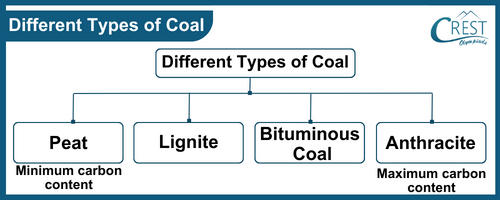
Peat: The Underachiever
First up, we have peat. Think of it as coal's awkward teenage phase. It's basically partially decayed plant matter. You might find it in bogs, and honestly, it's more "soil-adjacent" than actual coal.
Must Read
It's got the lowest carbon content. We are not even going to spend too much time on it. Let's just say, it's trying its best.
Lignite: The Brown Sheep
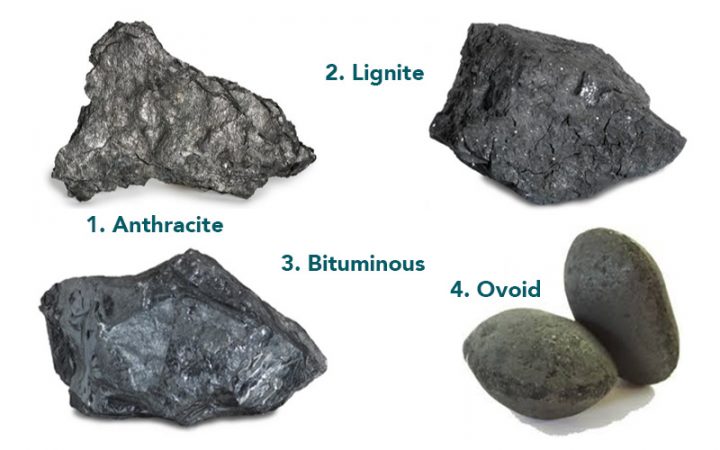
Next, we have lignite, also known as brown coal. It's a bit more mature than peat. But still not quite ready for prime time.
It's soft, crumbly, and doesn't pack much of a carbon punch. Lignite is like that friend who always promises to show up but cancels last minute.
Bituminous: The Workhorse
Now we're getting somewhere! Bituminous coal is the workhorse of the coal family. It's the stuff you probably picture when you think of coal.
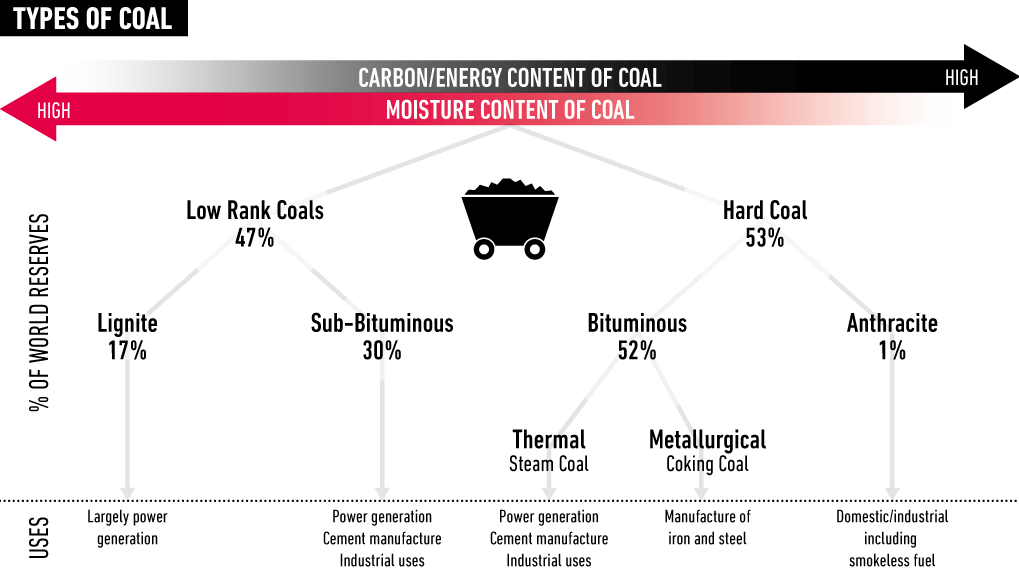
It's used for generating electricity and making coke for steel production. Respectable, right? It has a significantly higher carbon content than lignite.
It’s reliable, dependable, and gets the job done. But let's be honest, a bit… boring.
Anthracite: The Carbon King (My Unpopular Opinion)
Finally, the king of the hill: Anthracite. This is where things get interesting. Some might disagree but hold on to your hats. You know how there's always that one type of X that's supposedly the best? Well, this is it in this case.
This is the shiny, hard, almost metallic-looking coal. It's the coal that went to Harvard. Anthracite boasts the highest carbon content of all coal types. It burns clean and hot, like a tiny, efficient dragon's breath.
It's also the most expensive. It has low sulfur content and produces less smoke when burned. It's kind of fancy, if you can call a rock fancy.
Why Anthracite is Underrated (Hear Me Out!)
Okay, okay, I know what you're thinking. "Coal is bad! We shouldn't be talking about which type is best!" And yes, I understand the environmental concerns. But humor me for a moment.
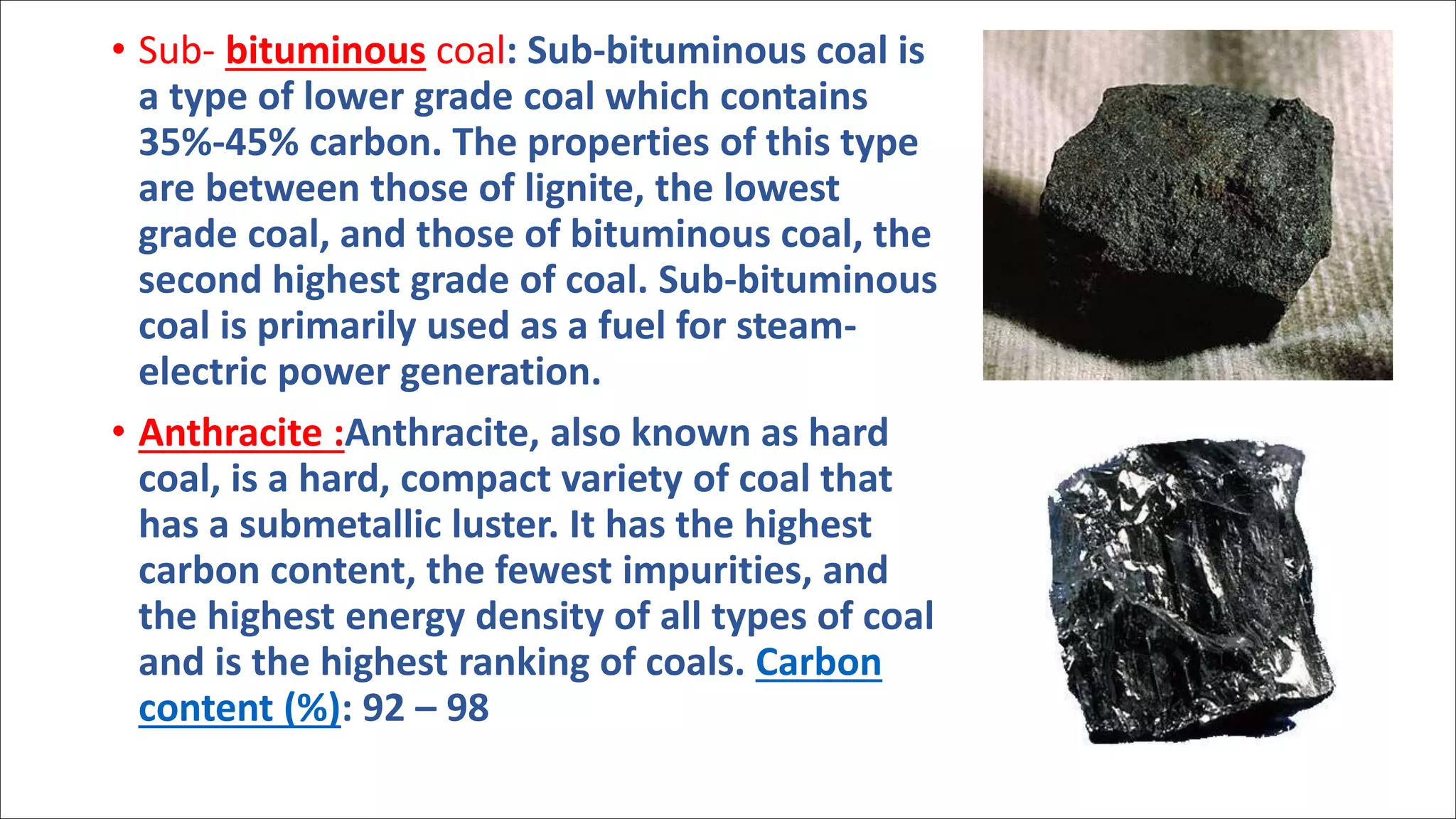
Anthracite is like the dark chocolate of the coal world. It's intense, sophisticated, and a little bit… misunderstood. It's not the most popular, but those who appreciate it really appreciate it.
Think about it, if you had to burn coal (hypothetically, of course!), wouldn't you want the cleanest, most efficient option? That's anthracite! It's like choosing the lesser of two evils. Or maybe, just maybe, acknowledging that even in the darkest corners, there's a glimmer of… well, slightly less dark.
It's the fuel of choice for certain metallurgical processes. It burns with a clean, blue flame. Think of it as the responsible adult of the coal family.
The Great Carbon Content Debate
So, there you have it. My (perhaps controversial) endorsement of anthracite. I'm not saying we should all start stockpiling it in our backyards. But I am saying that it deserves a little respect.
It represents the pinnacle of carbon concentration in the coal family. And that's something, right? Don't agree? That is ok. Different strokes for different folks.
Let's be real: all forms of coal contribute to carbon emissions. But in the grand scheme of things, anthracite stands out for its efficiency and relative cleanliness (relative being the key word here!).
Beyond Carbon: What Else Matters?
Of course, carbon content isn't the only thing that matters. We also need to consider sulfur content, ash content, and volatile matter. But for the purposes of this lighthearted exploration, we're focusing on the carbon.
And let's be honest, carbon is the star of the show. It's the element that makes coal, well, coal. It provides the heat. It fuels the debate. But in the context of this, it's not just fuel; it's kind of a fun topic too.
It is an important aspect to consider when determining coal quality. But it does not mean it is the only one.
In Conclusion: Embrace the Anthracite (Just Kidding... Mostly)
So, there you have it. A slightly tongue-in-cheek look at the coal hierarchy. From the lowly peat to the mighty anthracite, each type has its own unique characteristics. But when it comes to carbon content, anthracite reigns supreme.
Now, before you accuse me of being a coal apologist, let me reiterate: I'm not advocating for a return to the coal-powered era. But I do think it's important to understand the nuances of this often-demonized resource.
And maybe, just maybe, appreciate the dark, shiny beauty of anthracite. Or, at the very least, acknowledge its carbon-rich supremacy. Unless of course, you have another opinion. Which is okay, too! What do I know? I am just writing an article, and not a scientific one. ;)
Ultimately, the best approach is to embrace sustainable energy sources and leave coal where it belongs: in the ground. But until then, let's give anthracite a little nod for being the most carbon-dense member of the coal family. Just don't tell the other coals I said that!
Thanks for reading, and may your carbon footprint always be small. And may your opinions be as strong as, well, anthracite!
Now, if you'll excuse me, I'm going to go ponder the mysteries of carbon… and maybe eat some dark chocolate.