
What Two Adjustments Can Be Made To The Condenser
Alright, gather 'round, folks! You ever feel like your air conditioner is just… phoning it in? Like it’s promising frosty coolness but delivering lukewarm disappointment? Yeah, we’ve all been there. The good news is, sometimes, just sometimes, you can tweak things to get your AC humming like a happy bumblebee again. Today, we're talking condensers! Those unsung heroes outside your house, bravely battling the elements.
Now, I'm no HVAC guru, I just play one on the internet. But I've learned a thing or two from sweaty summers and frantic calls to repair guys. Turns out, there are generally two pretty straightforward adjustments you might be able to make to your condenser to squeeze out a little extra chill. I'm not guaranteeing miracles here, we're talking about subtle improvements, okay? Don't blame me if you end up needing a whole new system after this, haha! Disclaimer: If you're uncomfortable working around electricity, call a pro. Seriously. Electrocution is not a cool look, even in the summer.
Adjustment #1: The "Clear the Debris" Dance
Imagine your condenser is a marathon runner. Now imagine someone keeps throwing dirty socks and fluffy dandelion parachutes in their face while they're running. Not exactly conducive to peak performance, right? That’s basically what a clogged condenser is like. Leaves, grass clippings, dust bunnies the size of small dogs – they all conspire to suffocate your poor unit. Seriously, I once found a bird's nest in mine. The audacity!
Must Read
So, your first order of business is to give that condenser a good cleaning. Think of it as a spa day for your AC. First, and this is super important, turn off the power at the breaker. I cannot stress this enough. We're talking about enough voltage to make your hair stand on end… permanently. Safety first, always!
Next, grab a garden hose with a gentle spray nozzle. No pressure washing, people! You're trying to clean it, not perform surgery. Gently spray the fins from the inside out, removing all that accumulated gunk. Be patient, and work your way around the entire unit. You might be surprised (and disgusted) by what comes out. I'm telling you, sometimes it's like unearthing an ancient civilization of lawn refuse.
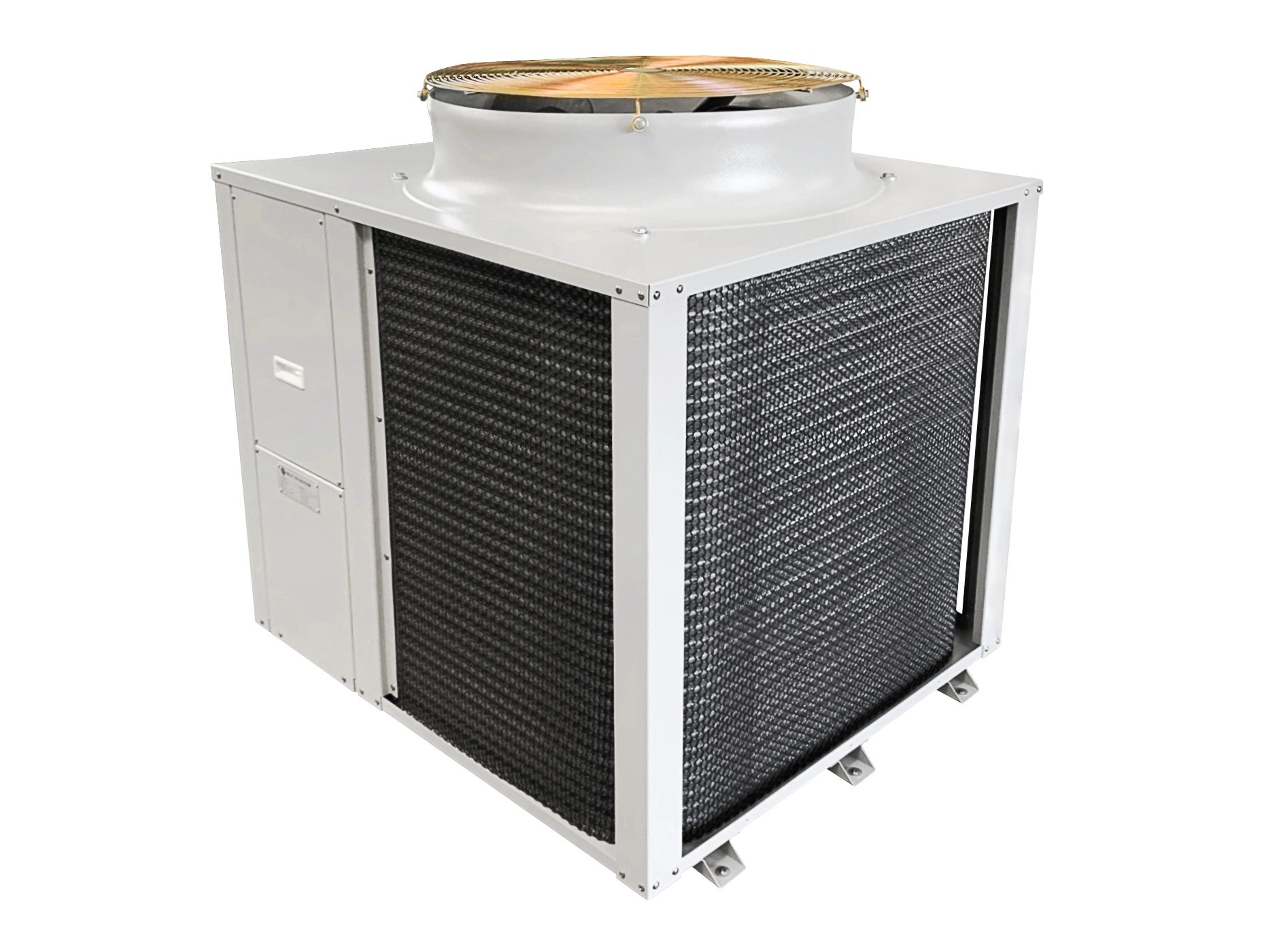
Now, some folks recommend using special fin combs to straighten out any bent fins. This can help with airflow. Just be careful – those fins are delicate! It's like trying to comb the hair of a startled porcupine. Proceed with caution. I sometimes use a butter knife (don't tell the internet) to gently straighten out any bent fins.
Once it’s all squeaky clean (or at least significantly less disgusting), turn the power back on and see if you notice an improvement. Hopefully, your condenser is now breathing easier and doing its job with a newfound vigor! If not, don't despair! We still have another trick up our sleeve!
Adjustment #2: The "Shady Situation" Strategy
Condensers are like vampires – they don't love direct sunlight. Okay, maybe that's a slight exaggeration. They won't burst into flames or anything, but they definitely work harder (and less efficiently) when baking in the sun's relentless glare. Think about it: they're trying to get rid of heat, and the sun is just pumping more heat into them. It's a cruel cosmic joke, really.

So, adjustment number two is to create some shade for your condenser. This doesn't mean building a tiny sombrero for it (although that would be hilarious). You want something that provides shade without restricting airflow. The key is balance!
This could be as simple as planting some shrubs or trees on the west or south side of the unit (but far enough away that they don’t drop leaves into it all the time!). Make sure there's at least two feet of clearance around the condenser for proper ventilation. We don't want to create a sauna effect!

Another option is to build a small awning or screen to block the direct sunlight. Again, airflow is crucial! Don't completely enclose the unit. Think "sun umbrella," not "maximum security prison."
By providing some shade, you can reduce the load on your condenser, allowing it to work more efficiently and potentially lower your energy bills. Plus, it'll probably thank you in its own silent, metallic way.
So there you have it! Two relatively easy adjustments you can make to your condenser to potentially improve its performance. Remember, these are just basic tips. If you're dealing with a serious problem, or you're just not comfortable tinkering with your AC, call a qualified HVAC technician. They have the tools, the knowledge, and the risk of electrocution insurance to handle the tough stuff. And hey, maybe while they're there, they can tell you if that bird's nest in your condenser was really as big as I claimed. (Spoiler alert: it was.)
