Ever looked at a sleek aluminum bike frame, a cool custom boat, or even just some really fancy outdoor furniture and wondered how those strong, clean joints are made? Welding aluminum is a bit of a special art, and it’s surprisingly fun and rewarding once you get the hang of it. Unlike welding steel, which is usually quite forgiving, aluminum has its own quirks that make it wonderfully challenging and utterly satisfying to master.
Imagine working with a metal that's super light, doesn't rust, and shines bright. Aluminum is fantastic for so many things! But when you heat it up to weld, it doesn't really change color like steel does. It just sort of... melts. This means you have to really learn to read the puddle – that molten pool of metal – by its shimmer and movement, not just its glow. It’s like a delicate dance, and getting it right feels absolutely magical.
So, what's the secret sauce for joining this fantastic metal? You've got a couple of main contenders, each with its own charm and fan club.
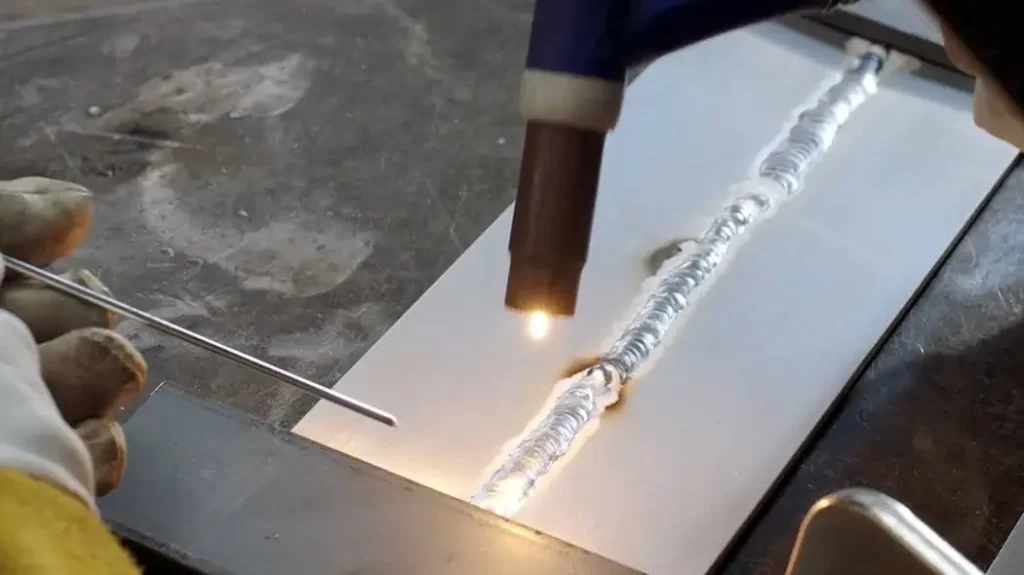
When people talk about beautiful, precise aluminum welds, they're almost always talking about TIG welding. TIG stands for Tungsten Inert Gas, and it’s often called the "art form" of welding. Why? Because it gives you incredible control. You use a non-consumable tungsten electrode (it doesn't melt into the weld) to create the arc, and you feed filler rod into the puddle with your other hand. It's like patting your head and rubbing your tummy, but way cooler!
The true magic of TIG welding aluminum comes from using Alternating Current (AC). This AC current has a unique cleaning action that blasts away the pesky oxide layer that aluminum forms almost instantly. Without it, your welds would be lumpy and weak. With AC, you get this amazing crisp sound, and the puddle just cleans itself up, ready for you to lay down a perfect bead.
Aluminum Welding: Principle, Methods & Challenges
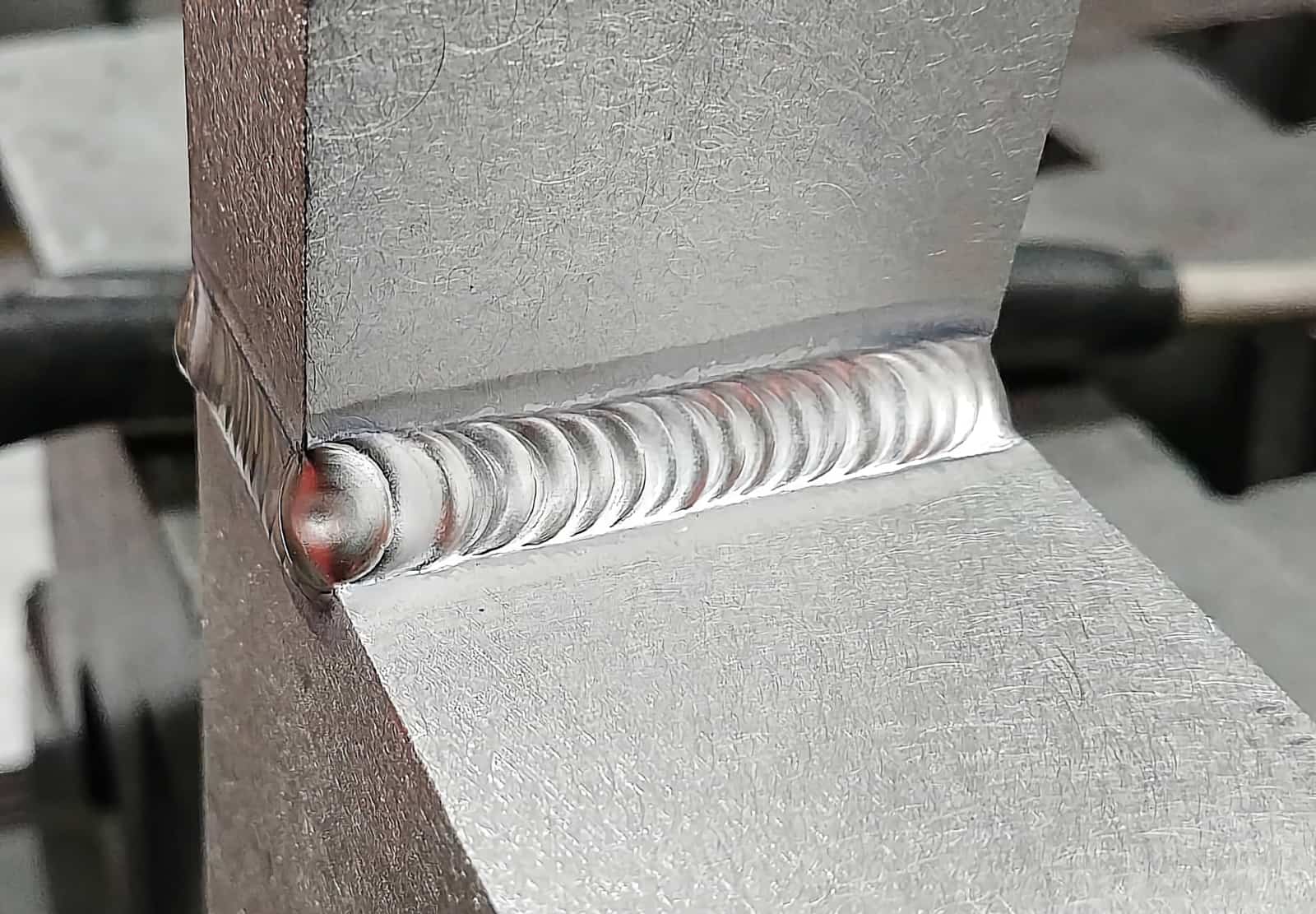
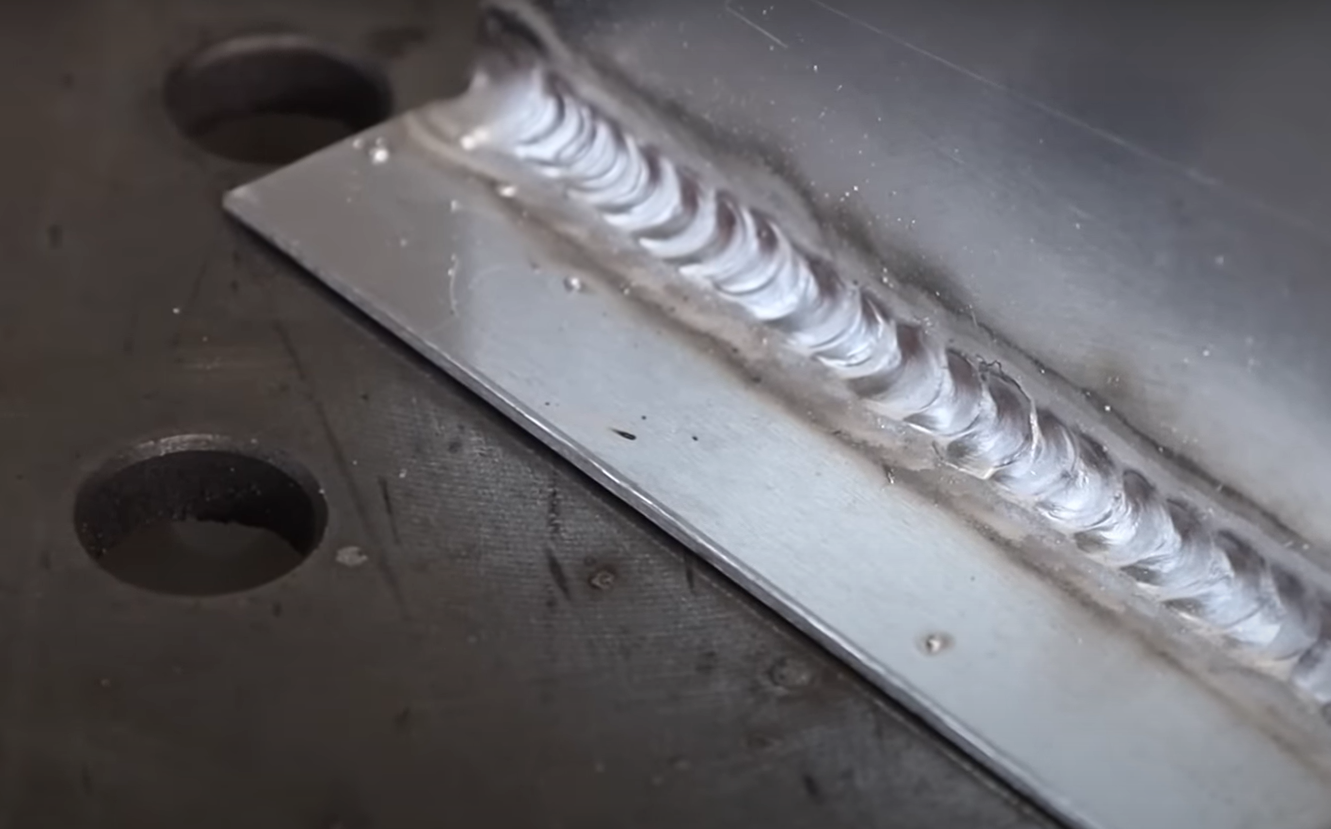
Many TIG setups for aluminum also feature a foot pedal, much like the accelerator in your car. This lets you precisely control the heat, ramping it up and down as you move along the joint. This level of finesse is why TIG is perfect for delicate projects, thin materials, and anything where aesthetics matter. It’s a bit slower and takes more practice, but the clean, almost sculptural welds you create are truly a sight to behold. Imagine crafting a custom motorcycle tank or intricate piping with welds that look like stacks of shiny dimes – that's the TIG dream!
The Speedy Sidekick: MIG Welding Aluminum
Now, if speed and ease are more your jam, then MIG welding aluminum might be your go-to. MIG stands for Metal Inert Gas. With MIG, the wire itself is the electrode and the filler metal, feeding continuously through the gun. It’s like a hot glue gun, but for metal! It’s generally easier to learn than TIG and much faster, making it great for thicker materials, repair jobs, or when you're making a lot of something.
How to Weld Aluminum: A Complete Guide
However, welding aluminum with a regular MIG gun can be tricky because aluminum wire is very soft and can easily tangle. That’s where the special hero of aluminum MIG welding comes in: the spool gun. This clever device has a small spool of aluminum wire right there in the gun, so it only has to travel a few inches. No more tangles! You can also find push-pull guns that work similarly, actively pulling the wire through the liner. These are essential for consistent, frustration-free aluminum MIG welding.
While MIG aluminum welds might not have the same delicate artistry as TIG welds, they are strong and effective. Think boat repairs, trailer fabrication, or building robust aluminum structures – MIG shines here. It's about getting the job done efficiently, still resulting in a robust, rust-free connection.
How to Weld Aluminum (with Pictures) - wikiHow
The Unsung Hero: Shielding Gas
No matter which method you choose, there's one critical ingredient you absolutely can't forget: shielding gas. For aluminum, this is almost always 100% pure Argon. This inert gas surrounds the welding arc, protecting the molten metal from oxygen and other contaminants in the air. Without it, your weld would be weak, porous, and ugly – basically a non-starter. It’s the invisible bodyguard for your beautiful weld!
Preparation is Key!
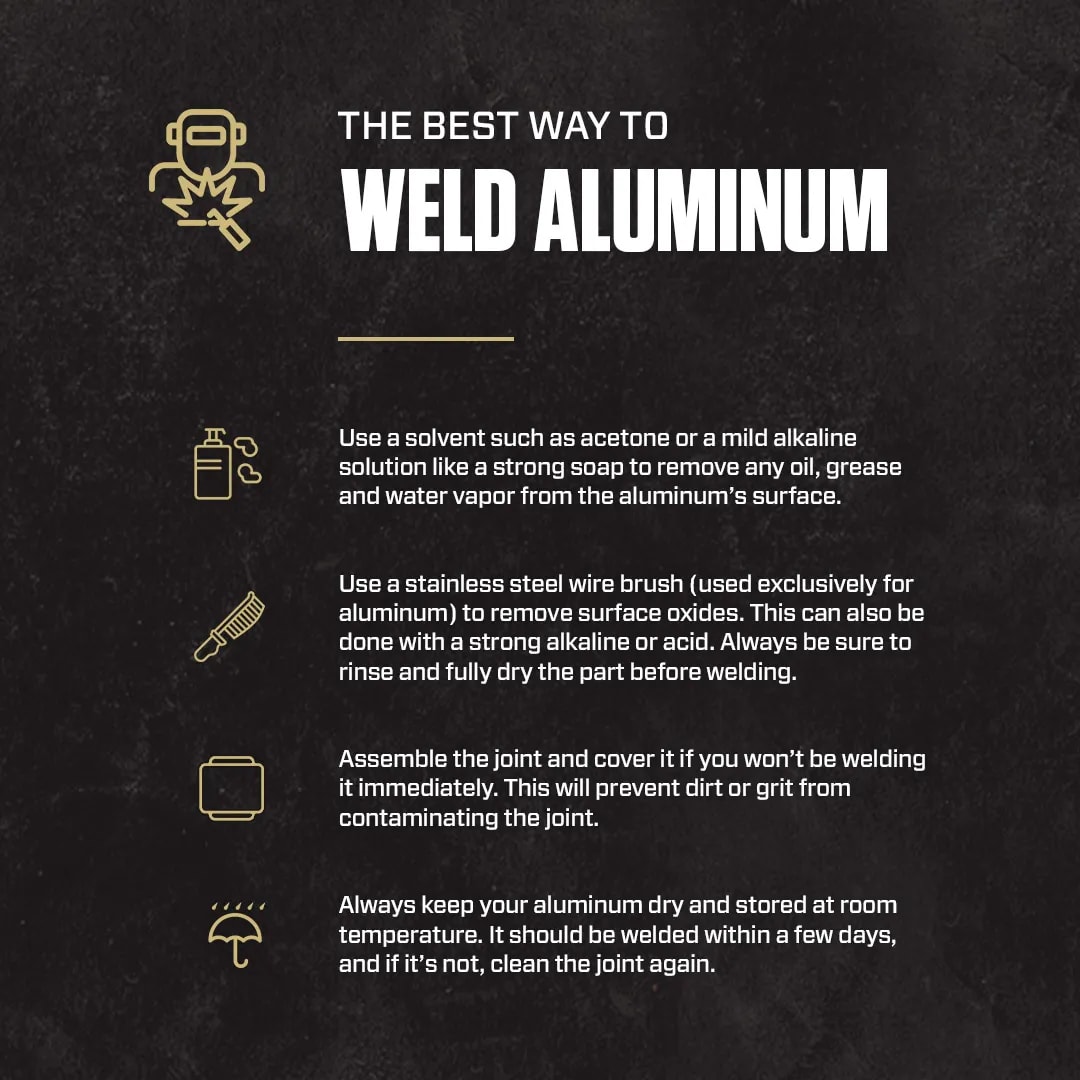
And here’s a final, crucial tip: cleanliness is next to godliness when welding aluminum. Any dirt, grease, or even the thin oxide layer that forms on aluminum will mess up your weld. You need to brush it with a dedicated stainless steel wire brush (never used on steel!), wipe it with acetone, and get it sparkling clean right before you weld. It might seem like extra work, but it makes all the difference between a frustrating mess and a gorgeous, strong weld.
So, whether you dream of crafting intricate aluminum art with the precision of TIG, or quickly joining robust structures with the efficiency of MIG, welding aluminum offers a truly unique and satisfying experience. It's a skill that combines science, art, and a little bit of patience, yielding strong, lightweight, and beautiful results. Isn't it time you discovered the joy of making aluminum sing?