
What To Use To Clean Aluminum
Okay, picture this: I once inherited this absolutely gorgeous vintage aluminum picnic basket. Not the cheap kind, mind you, but one of those solid, slightly weighty beauties that promised decades of perfectly chilled sandwiches and nostalgic vibes. It was a little dingy, a bit dull, maybe a tiny bit oxidized in places, but I thought, "No problem! A quick scrub and it'll be good as new."
My first instinct? Grab the nearest strong cleaner and a scourer. Because, you know, metal is metal, right? Wrong. So incredibly, profoundly wrong. I swear, the basket looked at me with a look of pure betrayal as I almost committed a cardinal sin against its shiny, yet surprisingly delicate, surface. Luckily, a tiny, inconspicuous test patch saved me from a full-blown metallic meltdown. It immediately started to dull, almost pit, and I realized then and there: aluminum is a whole different beast.
Ever been there? Standing over a dull pot, grimy patio furniture, or a tarnished bike frame, wondering if you need an industrial sandblaster or a magic wand? You’re not alone, my friend. Cleaning aluminum isn't just about elbow grease; it's about knowing what to use and, perhaps more importantly, what to absolutely avoid. Because, trust me, you don't want to turn that sleek surface into a corroded mess.
Must Read
Why is Aluminum So Fussy, Anyway?
Alright, quick science lesson, but I promise to keep it painless. Aluminum is a pretty reactive metal. But here's the cool part: it naturally forms a super thin, invisible layer of aluminum oxide on its surface. This layer is actually its superhero cape – it protects the metal underneath from further corrosion. Pretty neat, huh?
The catch? This protective layer is sensitive. Harsh chemicals, abrasive scrubbers, or even prolonged exposure to certain things can strip it away, leaving the aluminum vulnerable to pitting, discoloration, and genuine sadness. So, our mission, should we choose to accept it, is to clean without destroying that invisible shield. Think of yourself as a delicate aluminum whisperer.
The "Hands Off!" List: What NOT to Use
Before we dive into the good stuff, let's talk about the villains. Seriously, mark these down in your mental "do not touch" list for anything aluminum. You'll thank me later.
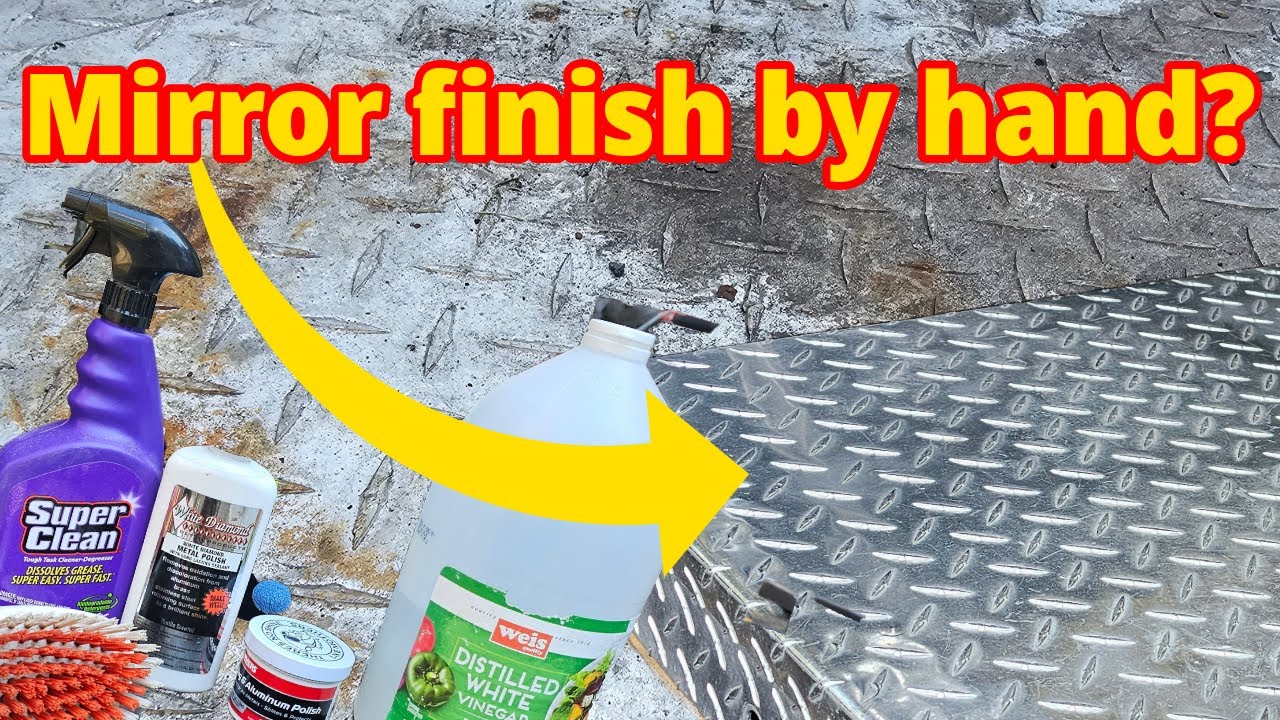
1. Abrasive Scrubbers: Step away from the steel wool, the heavy-duty scourers, and anything that feels like sandpaper. These will scratch the surface, potentially removing that protective oxide layer and leaving your aluminum looking dull and prone to further damage. Soft cloths, sponges, and non-abrasive brushes only, please!
2. Harsh Acids: Think bleach, strong toilet bowl cleaners, or oven cleaners. These are formulated to be super aggressive, and while they might tackle grime on other surfaces, they'll happily eat away at aluminum, causing permanent discoloration and pitting. Your precious aluminum will literally cringe.
3. Strong Alkaline Cleaners: This is a big one for aluminum. Cleaners containing lye or very high pH solutions (like some drain cleaners or even certain heavy-duty degreasers) are aluminum's arch-nemesis. They can cause a rapid, irreversible reaction, leading to etching and severe corrosion. Seriously, if you see "dangerously corrosive" and you're cleaning aluminum, walk away.
4. The Dishwasher (sometimes): For many aluminum items, especially pots and pans or decorative pieces, the dishwasher is a no-go. The combination of high heat and harsh detergents can strip away the protective layer, leading to oxidation, discoloration, and a generally dull, unhappy finish. Always hand wash if you can!

The "Yes, Please!" List: What TO Use
Now for the good news! You don't need fancy, expensive chemicals to get your aluminum gleaming. Often, the best solutions are probably already in your pantry.
For Light Grime & Everyday Cleaning:
-
Warm Water + Mild Dish Soap: This is your first line of defense. It's gentle, effective for everyday dirt, and won't harm the metal. Simply mix a few drops of mild dish soap (like the kind you use for handwashing dishes) with warm water. Wipe down with a soft cloth or sponge, rinse thoroughly with clean water, and then – this is crucial – dry immediately to prevent water spots.
For Stubborn Stains & Light Oxidation:
-
White Vinegar & Water: Your trusty kitchen companion comes to the rescue! Vinegar is a mild acid that can help break down oxidation and mineral deposits without being overly aggressive. Mix equal parts white vinegar and water. Apply with a soft cloth, let it sit for a few minutes (for tougher spots), then gently scrub, rinse well, and dry immediately.
5 Amazingly Simple DIY Aluminum Cleaner Recipes -
Lemon Juice & Baking Soda Paste: For those more stubborn stains or slightly dull areas, this dynamic duo is fantastic. Make a paste with lemon juice and a small amount of baking soda. Apply it to the affected area, let it sit for a few minutes, then gently scrub with a soft cloth or non-abrasive sponge. Rinse thoroughly and dry right away. The baking soda acts as a gentle abrasive, and the lemon juice provides that mild acidic punch.
-
Cream of Tartar Paste: Similar to the lemon and baking soda trick, cream of tartar mixed with a little water (or lemon juice!) makes a great paste for removing discoloration, especially from aluminum cookware.
For Heavy-Duty Cleaning & Protection:
-
Specialized Aluminum Cleaners/Polishes: If you're dealing with really tough, ingrained oxidation or you want to restore a high shine, there are commercial aluminum cleaners and polishes specifically designed for the job. Always read the label carefully to ensure it's safe for your type of aluminum and follow the instructions to the letter. These often contain mild abrasives or chemicals designed to gently remove oxidation and leave a protective layer.
A Few Golden Rules for Aluminum Wranglers:
1. Test First: Seriously, always, always, always test any cleaning solution on an inconspicuous spot first. This goes for everything, but especially aluminum. You'll thank yourself later.
2. Work Gently: No aggressive scrubbing! Let the cleaner do the work, and use gentle, circular motions with your soft cloth or sponge.
3. Rinse & Dry Immediately: I can't stress this enough. Leftover cleaner or even just water can leave streaks, spots, or encourage new oxidation. Get it clean, get it rinsed, get it dry!
4. Regular Maintenance: The less grime builds up, the easier it is to clean. A quick wipe-down after each use (for cookware) or regular dusting (for decorative items) goes a long way.
So, the next time you're facing down a grimy aluminum challenge, remember my vintage picnic basket saga. Think gentle, think mild, and for goodness sake, steer clear of the scourers and super-harsh chemicals. Your aluminum will not only look sparkling, but it'll also last for many more picnics (or dinners, or rides, or whatever you’re using it for!) to come. Happy cleaning!