What To Set Air Conditioning To
Ever found yourself staring at your air conditioning thermostat, finger hovering over the "up" or "down" arrow, wondering if there's a secret perfect number? You're not alone! It might seem like a simple decision, but figuring out what to set your AC to is a delightful little quest for optimal comfort, energy savings, and even better health. It's less about finding a universal "right" answer and more about discovering what truly works for you and your home.
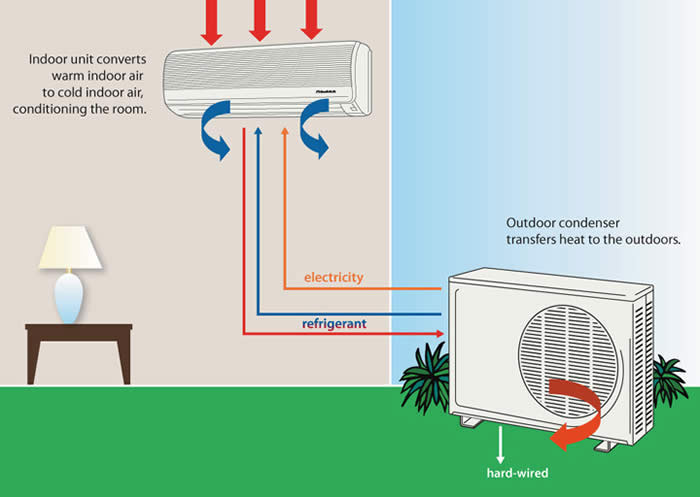
At its heart, your AC's purpose is straightforward: to make your indoor environment more pleasant when the great outdoors gets a bit too enthusiastic with its heat. But it's not just about cooling the air. A good air conditioning system also plays a crucial role in dehumidifying your space. Think about it: sticky, humid air feels much hotter than dry air at the same temperature. By stripping moisture from the air, your AC makes lower temperatures feel even more refreshing, preventing that clammy feeling and even helping to deter mold growth. The benefits extend beyond immediate comfort; setting your AC wisely can lead to noticeable savings on your energy bill and a smaller carbon footprint, which is good for everyone!
In our daily lives, the "right" setting can shift. When you're drifting off to sleep, many find a slightly cooler temperature (say, 68-72°F or 20-22°C) conducive to a better night's rest, allowing your body to cool down for deeper sleep. If you're working from home, a comfortable yet slightly warmer setting might keep you productive without making you drowsy. Think about how educational it is to observe these changes! Leaving for the day? Setting your thermostat a few degrees higher to a "setback" temperature (like 78-80°F or 25-27°C) means you're not cooling an empty house, but the system isn't working overtime to drastically drop the temperature when you return. It's a fantastic lesson in energy management right in your living room.
Must Read
Ready to become an AC setting explorer? Here are some simple ways to start. Firstly, consider a comfortable baseline: many experts suggest aiming for 72-78°F (22-26°C) when you're home, awake, and active. But here's the fun part: experiment! Try adjusting your thermostat by just one degree up or down each day and pay close attention to how you feel. Do you notice a difference in comfort? In your energy bill? Remember that simple things like wearing lighter clothing indoors can allow you to set your thermostat a degree or two higher without sacrificing comfort. If you have a programmable or smart thermostat, explore its features. You can set schedules for when you're home or away, or even use geofencing so your AC knows to cool down just as you're heading home. Don't forget the power of a good ceiling fan – it can make a room feel several degrees cooler without actually changing the thermostat setting. Ultimately, listen to your body and observe how your space responds. There's no single magic number, but with a little curiosity, you'll find the perfect temperature harmony for your unique world.