
What To Set Air Conditioner On
:max_bytes(150000):strip_icc()/adjust-your-airconditioner-settings-155727-FINAL-4f8436c660ad450a931c7437fda0a60f.jpg)
Ah, the sweet symphony of an air conditioner kicking in on a scorching summer day! There’s nothing quite like that first blast of cool air. It’s like a superhero swooping in to save you from a melt-down. But have you ever stopped to think about where you actually set that magical box? Or do you just mash the 'down' arrow until goosebumps appear, hoping for the best?
You’re not alone! Many of us treat our AC thermostat like a mystery button, pushing it to extremes without much thought. But setting your air conditioner to the just right temperature isn't just about avoiding a sweater in July; it's about comfort, saving a few bucks, and even being a little kinder to our planet. Let's dive into finding your home's personal "Goldilocks Zone"!
Why Bother Getting It Right? Beyond Just "Feeling Good"
Sure, immediate comfort is the biggie. Nobody wants to feel like they're living in a sauna. But there are a few other compelling reasons to find that sweet spot:
Must Read
Your Wallet Will Thank You: Ever open your electricity bill and wonder if you accidentally powered a small city? Blasting your AC colder than necessary is a major culprit. Each degree lower can actually increase your energy consumption by 3-5%! That adds up faster than you can say "ice cream truck."
Happy Home, Happy Planet: Less energy used means a smaller carbon footprint. It’s a little thing, but collective little things make a big difference. Think of it as your small, cool contribution to a healthier Earth.
Longevity of Your AC Unit: Your AC works hard! Constantly pushing it to extreme low temperatures can put unnecessary strain on the system, potentially leading to more wear and tear and costly repairs down the line. A happy AC is a long-lasting AC.

The Great Temperature Myth: Colder Doesn't Mean Faster
Let's debunk a common one right off the bat. Many people believe that if their house is really hot, setting the AC to a super-low temperature like 60°F will cool the house down faster than setting it to, say, 72°F. Spoiler alert: it won't!
Your air conditioner works at a constant speed, pushing out cool air. Think of it like a faucet – turning the handle further doesn't make the water come out faster; it just changes how long it runs to reach the desired level. Setting your thermostat to a ridiculously low temperature just means your AC will run longer to try and reach an impossible goal, wasting energy all the while. It's like flooring the gas pedal when you only want to drive at 30 mph – you're just burning more fuel unnecessarily!
So, What's the Magic Number? (Hint: It's Not Just One!)
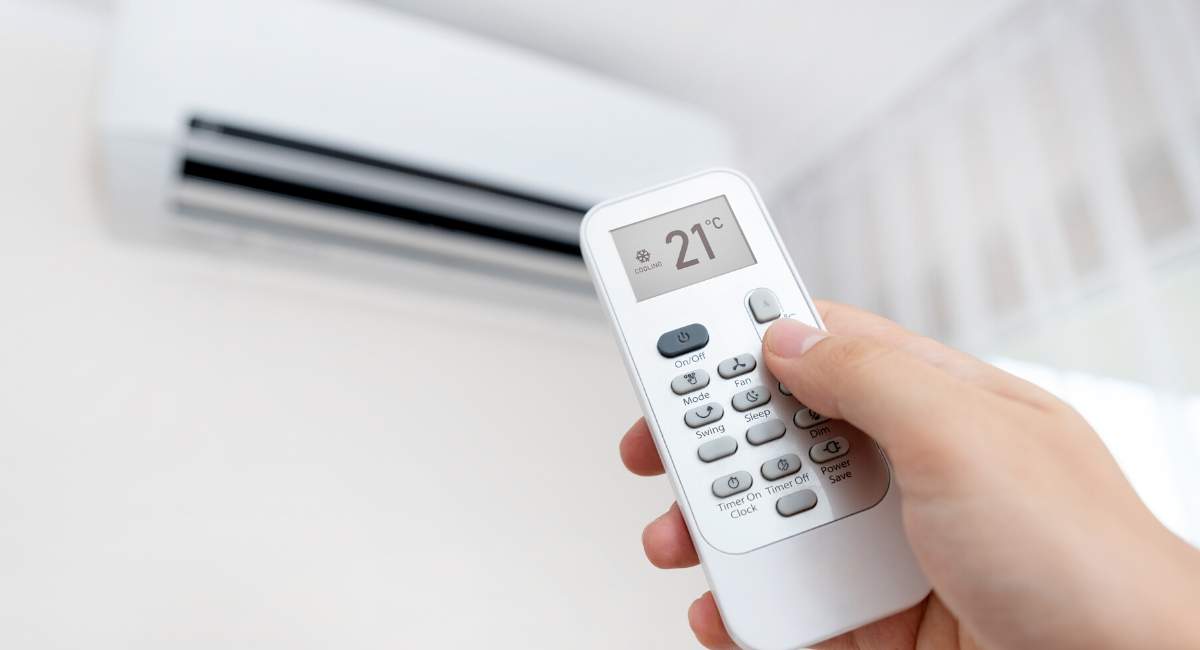
While there's no single "perfect" temperature for everyone, energy experts often suggest aiming for around 75-78°F (24-26°C) when you're home during the day. For nighttime, many find 72-74°F (22-23°C) more comfortable for sleeping. But these are just starting points!
Your ideal setting depends on a few things:
1. Humidity is the Real Villain (or Hero!)
Ever noticed how a 75°F day feels different depending on whether it's dry or sticky? That's humidity at play! High humidity makes you feel warmer and muggier because your body can't cool itself through sweat evaporation. Your AC doesn’t just cool the air; it also removes moisture from it. A slightly higher temperature can still feel perfectly comfortable if the humidity is low. This is why sometimes 77°F with low humidity feels better than 74°F with high humidity!
2. Your Personal Thermostat (aka Your Body)
We're all unique! My partner might be bundled in a blanket at 72°F while I'm fanning myself. This is where compromise (and maybe a throw blanket) comes in handy. Listen to your body and find what truly feels comfortable for you and your household members. No judgments here!
3. What You're Doing
Are you chasing toddlers around, baking a soufflé, or just chilling on the couch with a book? Your activity level influences how warm you feel. When you're sleeping, your body temperature naturally drops, so you might prefer a slightly cooler setting at night, but not so cold that you wake up shivering.
4. Your Home's Insulation & Windows
A well-insulated home with energy-efficient windows will hold its cool air much better than an older, draftier one. If your house leaks cool air like a sieve, your AC will have to work overtime, regardless of the setting.
Smart Strategies for a Cooler, Happier Home
Okay, armed with this knowledge, how do we put it into practice?
-
Start Reasonable: Instead of blasting it to 65°F, try setting it to 75°F first. Give your AC 20-30 minutes to do its thing. You might be surprised how comfortable you feel!
-
Use the "Auto" Fan Setting: Unless you have a specific reason, keep your fan on "Auto." This means the fan only runs when the compressor is cooling, saving energy. If it's always "On," it's constantly blowing air, even if it's not cooling it.
What Temperature to Set Your Air Conditioner in Australia: Summer & Winter -
Programmable Thermostats Are Your Friend: Seriously, these are game-changers. You can program your AC to raise the temperature when you're at work and then drop it back down just before you get home. It means you arrive to comfort without cooling an empty house all day. Smart thermostats take it even further, learning your habits and adjusting automatically.
-
Don't Forget About Fans: Ceiling fans and portable fans don't cool the air, but they create a wind-chill effect, making you feel cooler. This means you can often set your AC a few degrees higher and still feel perfectly comfortable, saving energy!
-
Maintain Your Unit: A quick shout-out for regular maintenance! Changing your air filter regularly (every 1-3 months, depending on usage) keeps your AC running efficiently and prevents it from working harder than it needs to. It's like giving it a fresh pair of lungs!
Finding your perfect AC setting is a bit of an art and a science, a dance between comfort and energy efficiency. It's about being mindful, listening to your body, and understanding how your home and AC work together. So, next time you reach for that thermostat, remember: you're not just setting a number; you're crafting your ideal indoor climate, saving money, and maybe even giving the planet a little high-five. Now go forth and be comfortably cool!