
What To Put In Vents To Make House Smell Good

Okay, let's talk about making our homes smell amazing, shall we? We all want that, right? I mean, who wants to walk into a house that smells like…well, not-so-amazing things? One sneaky, and often overlooked, way to accomplish this is by using our trusty vents! But what exactly can we put in there to transform our living spaces into fragrant havens? Let's dive in!
The Power of Scent Distribution
Think of your vents as the arteries of your home's fragrance circulatory system. They're already there, doing their thing, pushing air around. Why not hitch a ride for some delightful smells? It's like giving your HVAC system a side hustle as an aroma diffuser! Genius, right?
Now, before you go stuffing potpourri directly into your ductwork (please don't!), let's explore some safer and more effective options. We need to consider a few things, like airflow and avoiding anything that could damage your system or, you know, become a fire hazard. Safety first, people!
Must Read
Scented Solutions: A Buffet of Options
So, what can you use? The possibilities are surprisingly varied! It's like choosing your favorite ice cream flavor – there's something for everyone.
Essential Oil Diffuser Pads
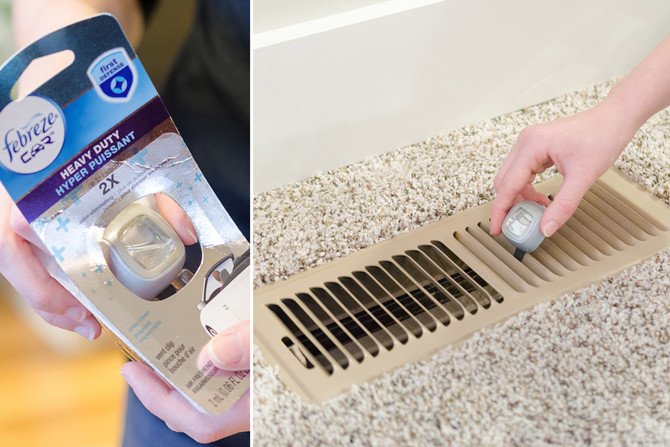
These are a fantastic starting point. They're basically small, absorbent pads designed to hold essential oils. Simply add a few drops of your favorite scent – lavender for relaxation, citrus for a zing of energy, peppermint for a refreshing boost – and place the pad near the vent. The airflow will gently distribute the fragrance throughout your home. It's like a spa day, courtesy of your HVAC! You can often find these diffuser pads with clips to hang in the vent.

Scented Dryer Sheets
Hear me out! I know it sounds a little…basic. But a dryer sheet placed near a vent (not directly in, please!) can release a subtle, clean scent. It's like giving your house the comforting aroma of freshly laundered clothes. Just be mindful of any sensitivities you or your family might have to the fragrances in dryer sheets.
Scented Sachets
These are like little pockets of perfumed goodness. Filled with dried flowers, herbs, or scented beads, sachets can add a touch of rustic charm and a gentle fragrance to your home. Place a sachet or two near the air vent intake for a nice gentle distribution. If you like the way your linen closet smells, bring that to your house!
DIY Options: Get Crafty!
Feeling a little adventurous? You can totally create your own vent-friendly fragrance solutions! Think of it as a mini science experiment, but with prettier results.
You could soak cotton balls in your favorite essential oil blend and place them in a small, breathable container near the vent. Or, try making a simple potpourri mix with dried flowers, herbs, and spices. Cinnamon sticks, cloves, and orange peels are a classic combination for a warm, inviting scent, especially during the colder months. Just ensure that all the ingredients are completely dry to prevent mold growth. Think of a simmer pot that hangs in your intake vent. What is more holiday than that?!
Important Considerations: Play it Safe!
Alright, let's quickly review some crucial safety tips. We don't want to trade a smelly house for a damaged HVAC system (or worse!).
- Never place anything directly inside the vents that could obstruct airflow.
- Avoid using anything that could melt or become sticky in the heat.
- Be mindful of sensitivities and allergies. Not everyone loves the same scents, so choose fragrances that are generally pleasing and not overpowering.
- Clean regularly. Dust and debris can accumulate near vents, so give the area a quick wipe-down every now and then to keep things fresh.
The Bottom Line: A Smell-Good Strategy
So, there you have it! A few simple, effective ways to use your vents to make your house smell amazing. It's all about being smart, safe, and a little creative. Experiment with different scents and methods to find what works best for you and your home. Your nose (and your guests) will thank you for it! Because a good smelling house, is a happy house.
