What To Do With Hoses In Winter
Ah, winter. That crisp, quiet time of year when our gardens settle into a long slumber, dreaming of warmer days. While we’re busy sipping hot cocoa and planning our next indoor hygge project, there’s one often-forgotten garden essential that deserves a little TLC before the mercury truly plummets: the humble garden hose. Trust us, a little effort now saves a whole lot of headache (and expense!) come spring.
You might be thinking, "It's just a hose, right?" Wrong. Or, at least, not entirely right. Ignoring your hose in winter is like leaving your car window open in a snowstorm – it might seem fine for a bit, but eventually, you're going to have a bad time. Let's break down the seasonal hose-care ritual, because a happy hose means a happy gardener.
The Great Disconnect: Why Bother?
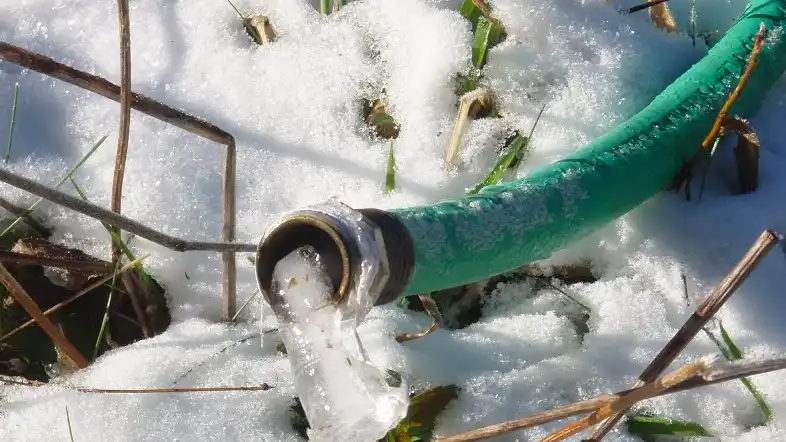
First things first, let's talk about the "why." Hoses, especially the common PVC variety, are simply not designed to withstand freezing temperatures when full of water. Water expands when it freezes, and that expansion can cause a whole host of problems:
Must Read
- Burst Hoses: The most obvious culprit. Cracks, splits, and leaks will render your hose useless.
- Damaged Fittings: Metal or plastic connectors can also crack or warp, leading to frustrating drips.
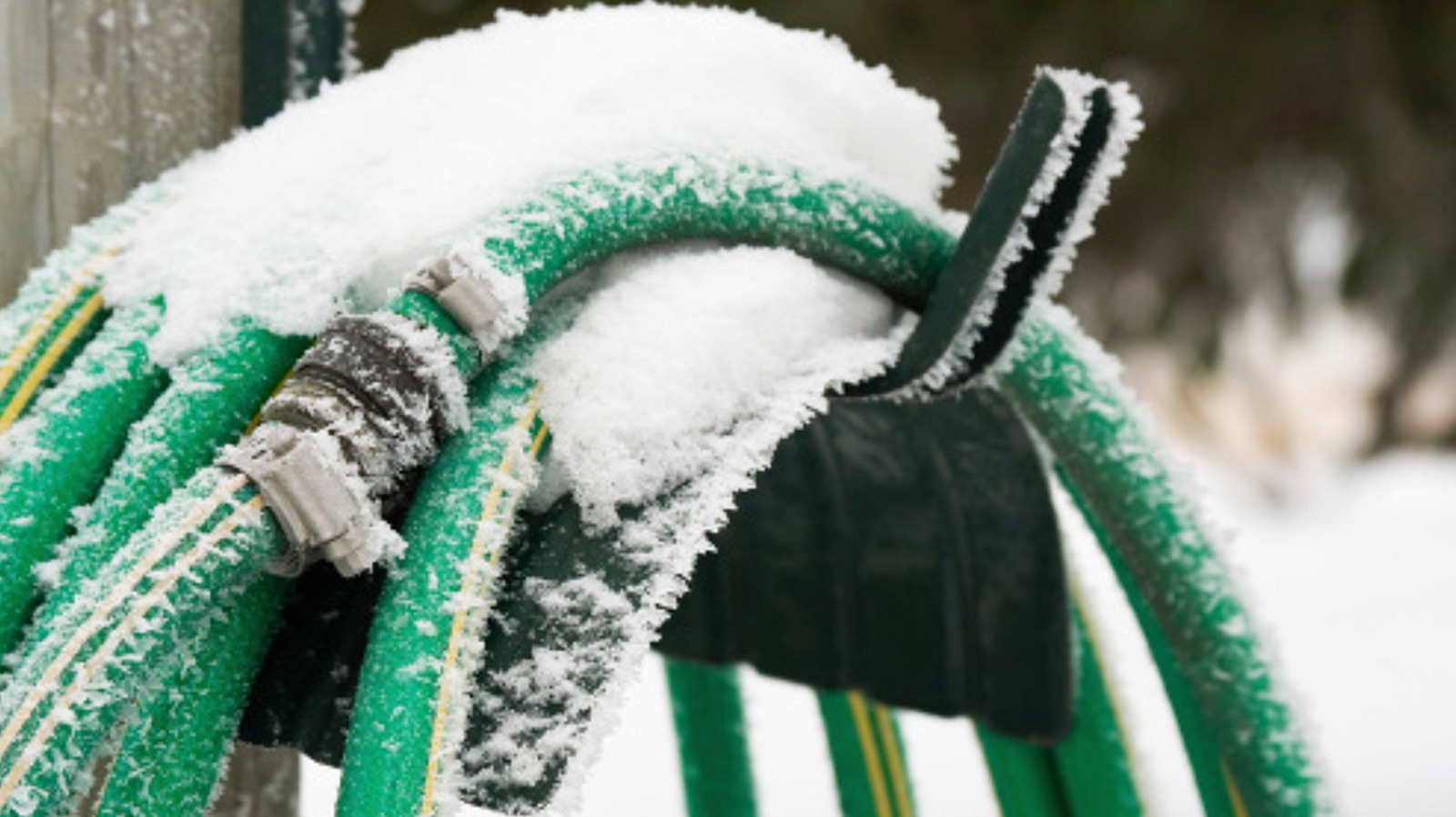
- Frozen Faucets/Spigots: This is the big one. If water freezes in a hose still connected to your outdoor spigot, that pressure can travel back into your home's pipes, leading to a much more serious (and costly!) burst pipe inside your wall. Nobody wants that surprise bill!
So, the prime directive for winter hose care is simple: get that water out and get that hose disconnected!
The Winter Hose Spa Treatment: A Step-by-Step Guide
Step 1: Drain It Like You Mean It
This is the most crucial step. Lay your hose out straight on a slight incline if possible. Walk along its length, lifting sections to encourage any residual water to flow out. You can also hold one end up high and let gravity do its work, then repeat with the other end. For extra diligence, some folks even use an air compressor (on a very low setting!) to blow out every last drop. Just be gentle.

Step 2: A Quick Cleanse
While it's drained, give your hose a quick wipe-down. Remove any caked-on mud, leaves, or garden debris. A clean hose not only looks better but also prevents grit from working its way into the fittings and causing future issues. Think of it as a little pre-winter exfoliation for your garden buddy.
Step 3: Coil with Care
Now, it's time to coil it up. Don't just haphazardly throw it into a tangled mess. Proper coiling prevents kinks, which can weaken the hose's structure over time. There are a few popular methods:

- The Traditional Loop: Start at one end and create even, overlapping loops.
- The Figure-Eight: This method is fantastic for preventing kinks and twists. Make an "8" shape with the hose as you coil it. It might feel a little awkward at first, but your hose will thank you!
Consider investing in a hose reel or a wall-mounted hose hanger. These gadgets make coiling and storage a breeze and keep your hose off the ground, away from potential rodent nibblers or sharp objects.
Step 4: The Storage Sanctuary
Once coiled, store your hose in a dry, dark, and temperature-stable environment. Garages, sheds, basements, or utility rooms are ideal. The goal is to keep it away from extreme cold and direct sunlight, which can degrade the material over time. Some people even put their coiled hoses into a large plastic bin to keep them extra tidy and protected.
Step 5: Don't Forget the Faucet!
After disconnecting your hose, make sure to shut off the water supply to your outdoor spigot if it’s not a frost-free type. Then, open the spigot to drain any remaining water from the pipe itself. Even with frost-free spigots, disconnecting the hose is always a good idea.
A Little Foresight, A Lot of Joy
Taking a few minutes now to properly winterize your garden hose might seem like a small chore, but it's an act of care that pays dividends. Imagine next spring, as the daffodils poke through the soil, you’ll reach for a hose that’s ready to go – no leaks, no cracks, just a smooth flow of water for your eagerly awaiting plants. It's a small victory, but one that embodies the joy of preparedness and the satisfaction of a well-tended life. Because, much like nurturing a garden, taking care of the little things often blossoms into something wonderful.