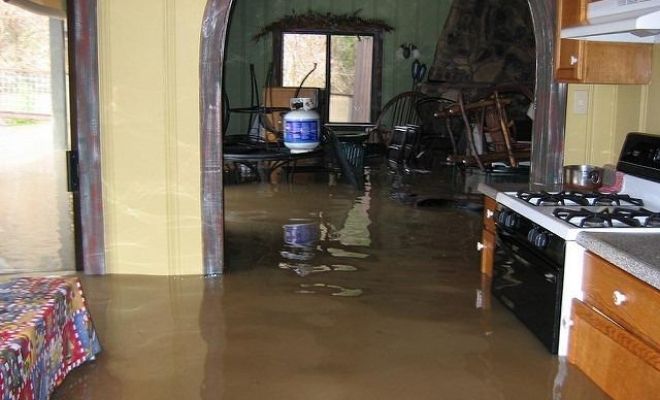
What To Do With Flooded House

Let's be honest, nobody exactly enjoys the delightful surprise of a flooded home. It's not a leisure activity you sign up for on a Tuesday night. Yet, there’s a strange, undeniable human spirit that emerges when adversity strikes, especially when it comes to reclaiming your castle from an unexpected indoor swimming pool. While we might not "enjoy" the initial shock, there's a profound satisfaction, a unique sense of accomplishment, and even a strange camaraderie that comes from navigating the murky waters (quite literally) of disaster recovery. It's about tapping into our inner problem-solver, embracing the challenge, and ultimately, finding the resilience to rebuild – often with stories to tell that become legendary family lore.
The purpose of knowing what to do with a flooded house isn't just about mopping up; it's about reclaiming your everyday life. The benefits ripple through every aspect of your well-being. Firstly, there's safety: ensuring no electrical hazards lurk beneath the surface and preventing structural damage that could compromise your home's integrity. Secondly, it’s about health: preventing the insidious growth of mold and mildew, which can pose serious respiratory risks and turn your cozy abode into a biohazard zone. Financially, prompt action can significantly minimize repair costs and bolster your insurance claims. Mentally, taking control of the situation, even amidst chaos, can reduce stress and restore a sense of normalcy much faster than simply waiting it out. It's about transforming a daunting challenge into a manageable series of steps, ensuring your sanctuary is restored to its dry, healthy, pre-flood glory.
So, what does this "activity" of flood recovery typically look like? The moment you discover water where it shouldn't be, the first step is always safety first. Turn off your power if the water level is rising or near outlets, and consider shutting off the main water supply to prevent further ingress. Next, document, document, document! Snap photos and videos of everything for your insurance claim – the higher the water line, the damaged furniture, the soaked carpets. Then, it's about getting the water out: shop vacs, pumps, buckets, towels – whatever you have. Once the bulk is gone, the real drying begins with fans, dehumidifiers, and good ventilation. Common examples include removing wet carpets and padding, elevating furniture, and properly cleaning and sanitizing affected surfaces to ward off mold. Remember, any porous item that's been soaked for more than 48 hours is often a goner for health reasons.
Must Read
To "enjoy" (or at least, cope more effectively with) this unwelcome adventure, preparation is key. Before disaster strikes, know where your main water shut-off valve and electrical panel are. Have your insurance policy details readily accessible. When a flood happens, don't try to be a lone hero. Ask for help! Lean on neighbors, friends, and professional restoration companies. They're equipped with specialized gear and expertise. Pace yourself; recovery is a marathon, not a sprint. Take breaks, stay hydrated, and try to maintain a sense of humor. Find the ridiculousness in the situation – sometimes a good laugh is the best therapy. Most importantly, don't neglect self-care. It’s emotionally and physically draining. And finally, celebrate the small victories: the first dry floorboard, the last piece of debris removed, the moment you can finally sit on your couch without a life vest. Each step forward is a testament to your resilience and a nudge towards normalcy.