
What To Do If Your Carbon Monoxide Detector Is Beeping
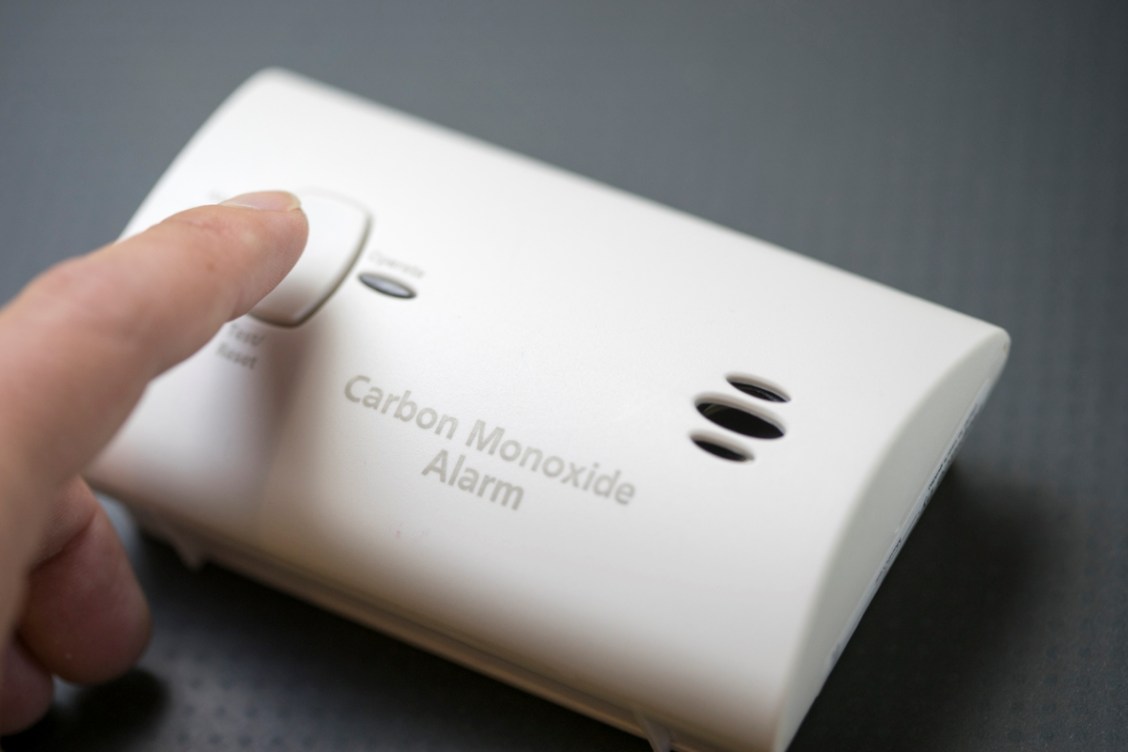
Alright, picture this: you’re chilling, maybe binging your favorite show, when suddenly your carbon monoxide (CO) detector starts beeping. Not just a polite 'hello,' but a full-on, insistent, "Pay attention to me, human!" kind of shriek. Your first thought? Probably a tiny jolt of panic. Mine too! But guess what? This isn't a call to freak out; it's an invitation to become a super cool, calm, and collected safety hero. Seriously, it's kinda fun once you know the drill.
Meet the Silent Ninja: Carbon Monoxide
First off, let’s get to know our invisible villain. Carbon monoxide, or CO, is often called the "silent killer" because it's completely undetectable by our senses. No smell, no color, no taste – it’s like air’s sneaky, dangerous sibling. It comes from burning fuel – think your furnace, gas stove, water heater, even your car’s exhaust. When these things aren't working right or aren't properly ventilated, CO can build up. And trust me, you don't want it crashing your party.
Here's a quirky fact: CO is super sneaky because it loves to cuddle up with your red blood cells. Like, really loves to. It binds to your hemoglobin (the stuff that carries oxygen) about 200-250 times more readily than oxygen itself! Imagine oxygen trying to get a seat on a crowded bus, and CO just waltzes in, flashing its VIP pass, stealing all the good spots. That's essentially what happens, and your body gets starved of the good stuff it needs.
Must Read
Your Tiny Hero: The CO Detector
So, that annoying beep? It’s not just noise; it’s your tiny hero, your personal Bat-Signal, telling you something's up. These little gadgets are brilliant because they’re designed to pick up CO levels long before your body starts feeling the effects. They're like the neighborhood watch for invisible gases, always on alert, making sure you stay safe. Give your detector a mental high-five for being so vigilant!
Operation Fresh Air: What to Do When It Beeps!
Okay, the detector’s doing its thing. What’s your superhero move? It's simple, speedy, and totally empowering!
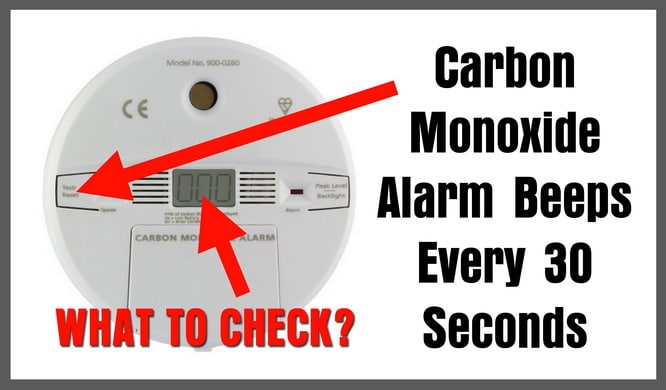
Step 1: Don't Panic! Seriously, deep breaths. The alarm is a warning, not an immediate disaster movie scene. Your detector is giving you a heads-up, which is awesome.
Step 2: Evacuate, Pronto! This isn’t a drill for nothing. Get everyone out of the house immediately. Kids, pets (yes, even your grumpy cat needs to come along!), everyone. Think of it as a super-fast, impromptu fresh air party. Grab your phone on the way out if it's handy, but don't stop for your favorite snacks or that really interesting book you're reading. Safety first, Netflix second.
Step 3: Call the Pros (aka 911 or your local fire department)! Once you’re safely outside, away from the house, dial up your emergency services. Explain that your CO detector is alarming. They're the real superheroes here; they have the fancy equipment to measure CO levels safely and figure out the source. They’ll sweep in, capes optional, ready to save the day!
Step 4: Stay Out! Resist the urge to pop back in for a peek. Even if the alarm stops, or you "feel fine," the air inside could still be dangerous. Let the experts do their thing. They'll give you the all-clear when it's safe to return.
Step 5: Ventilate (When Safe)! After the pros have given you the thumbs up, and only then, open windows and doors to air out the place. A good old-fashioned airing out can help clear any lingering CO. Think of it as giving your house a big, fresh breath.

Fun Facts & Quirks of CO
- Did you know that early signs of CO poisoning are often mistaken for the flu? Headache, nausea, dizziness. So next time you're feeling a bit woozy, and your CO detector is nearby, remember this tiny tidbit. It's a great reason to never ignore that beeping!
- Your car exhaust produces CO. That's why running your car in an enclosed garage is a huge no-no. It's like inviting the silent ninja to have a private party in your garage – bad vibes all around.
- CO detectors typically have a lifespan of 5-7 years. They don't last forever, so check the expiration date on the back of yours! It's like replacing your trusty sidekick when they get a little too old to fight crime.
- And those quirky symptoms? High levels of CO can cause cherry-red skin, but that's actually a post-mortem sign. In real life, it's rarely seen in living victims. So don't wait for your skin to change color before acting!
Why This Is Actually Fun To Talk About
Okay, "fun" and "carbon monoxide" might not seem like a natural pairing, right? But here's why it is: knowing what to do makes you empowered. It turns a scary potential situation into a clear, actionable plan. You're not just a homeowner; you're a proactive, informed guardian of your space! You're outsmarting an invisible threat, and that's pretty awesome. Plus, you get to appreciate your little detector even more, knowing it's always got your back.
Keep Your Hero Happy: Maintenance Tips
To keep your CO detector at peak performance, treat it well! Test it monthly (most have a test button) and change its batteries regularly (usually twice a year, like when you change your clocks for daylight saving – easy peasy!). Think of it as giving your tiny hero a snack and a quick check-up so it can continue its vital work.
So, the next time that insistent beep kicks in, you won't just hear noise. You'll hear an urgent but totally manageable call to action. You'll calmly gather your troops (and pets), call the cavalry, and embrace your role as a home safety superstar. How cool is that?
