
What To Do If Your Air Conditioner Is Not Cooling
Okay, picture this: it’s July. You’re working from home, pretending to be productive, when suddenly you realize…you're sweating. A LOT. Not the "I just did a Zumba class" kind of sweat, but the "I'm slowly melting into my chair" kind. You glance at the thermostat. 78 degrees. Oh, the horror! The AC is on…but it’s blowing warm air. Sounds familiar? (Don't worry, we've all been there).
Before you resign yourself to living in a personal sauna or, even worse, calling a pricey technician, let’s troubleshoot this AC nightmare. There's a surprisingly long list of things you can check before throwing in the towel (or rather, using it to mop your brow). So, deep breaths, grab a glass of something cold (since your AC isn't providing it), and let’s get started.
First Things First: Is it Really the AC?
Yeah, yeah, I know it sounds obvious. But humor me for a second. Have you checked the thermostat? Is it set to cool? Is the temperature setting actually lower than the current room temperature? Sometimes, the simplest things are the culprit. (And trust me, you'll feel silly calling a repairman just to find out the thermostat was set to "heat").
Must Read
Also, make sure your thermostat is reading accurately. Sometimes they can be off by a few degrees. Compare it to another thermometer in the house to be sure. A wonky thermostat can lead you down a whole rabbit hole of unnecessary troubleshooting.
The Power Play: Check the Breaker
Next up: the breaker. This is the unsung hero (or villain) of many household appliance failures. Go to your electrical panel (usually in the basement or garage) and look for the breaker labeled “AC” or “HVAC”. Is it tripped? If so, flip it to the "off" position, wait a few seconds, and then flip it back to "on". If it trips again immediately, that’s a sign of a more serious electrical problem, and you definitely need to call an electrician.
Even if the breaker looks fine, it’s worth flipping it off and on anyway. Sometimes, they can be partially tripped without being visually obvious. Think of it as a little "reset" button for your AC. Worth a shot, right?
Filter Frenzy: The Dirty Truth
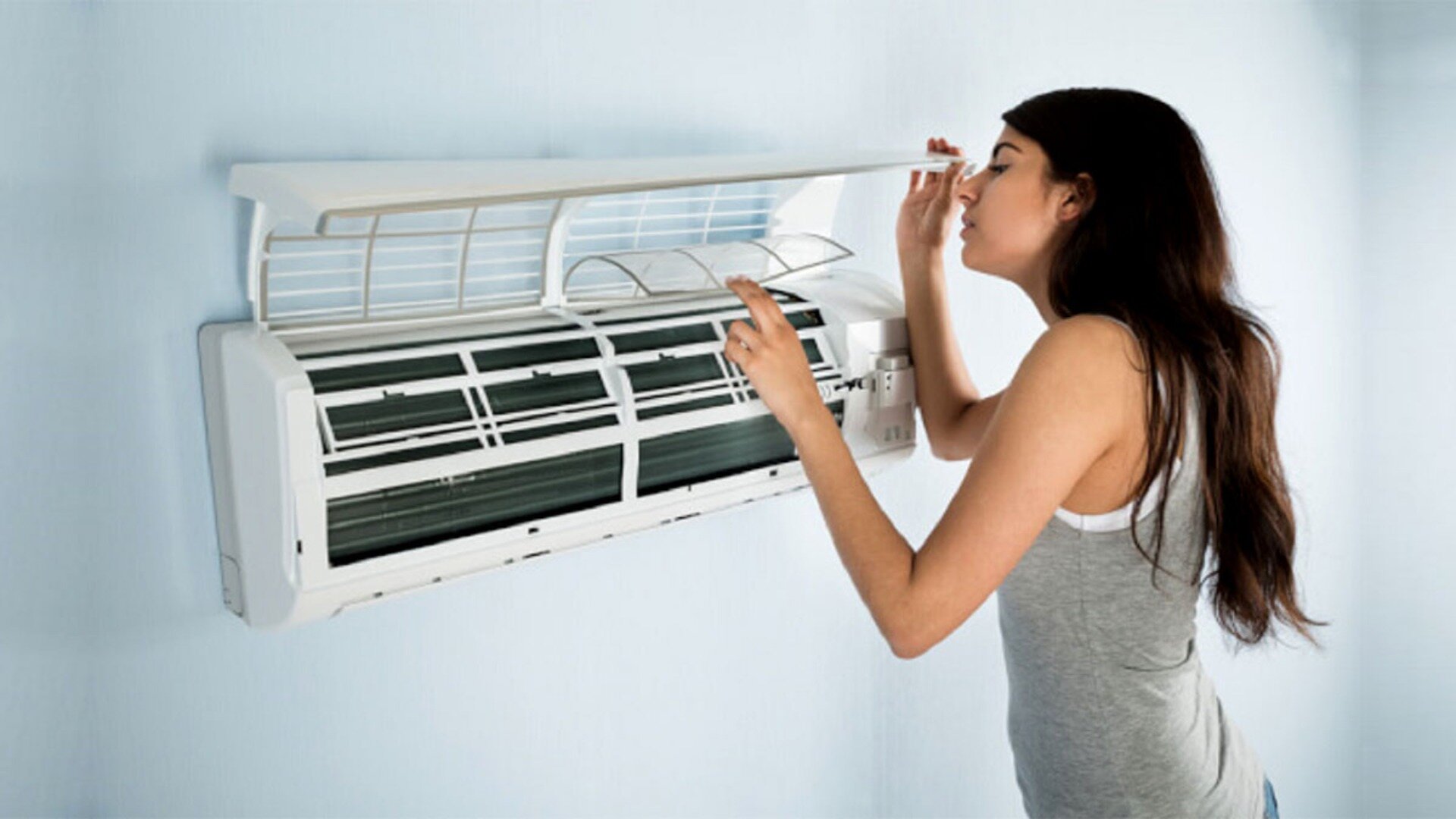
A dirty air filter is the number one reason why AC units stop cooling effectively. It’s like trying to breathe through a sock – the AC has to work harder to pull air through, and eventually, it just gives up. Plus, a dirty filter restricts airflow and can cause the evaporator coil to freeze up. Not good!
Pro-tip: Change your air filter regularly, especially during peak cooling season. Depending on the type of filter and the air quality in your home, you might need to change it every month or two. Check the filter manufacturer's recommendations.
Remove your air filter and hold it up to the light. Can you see through it? If not, it’s time for a new one! They're cheap and easy to replace, and it can make a huge difference in your AC's performance. (Seriously, don't skip this step!)
Outdoor Unit Inspection: The Great Outdoors
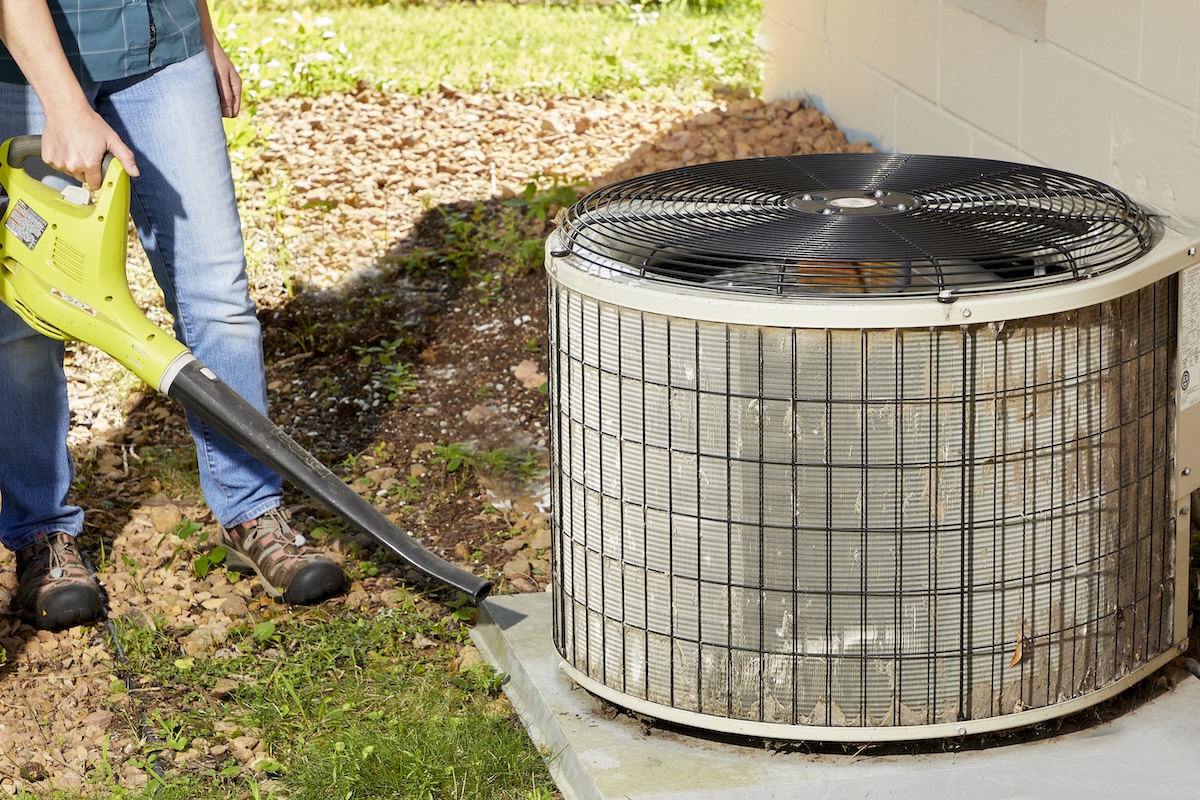
Head outside to your outdoor AC unit (the condenser). Is it surrounded by bushes, weeds, or debris? Clear away anything that’s blocking airflow around the unit. The condenser needs to breathe to do its job properly. Imagine trying to run a marathon with a scarf wrapped around your face – not fun!

Also, check the fins on the condenser. Are they bent or damaged? You can gently straighten them with a fin comb (available at most hardware stores). Be careful not to puncture them! Think of it as giving your AC a little spa treatment.
Coil Check: Freeze Frame!
If your AC is still not cooling after checking the filter, the evaporator coil (inside the indoor unit) might be frozen. This can happen if the airflow is restricted (dirty filter!) or if the refrigerant level is low. To check, turn off the AC and just run the fan. This will help the coil thaw out. Leave it running for several hours, or even overnight.
Once the coil has thawed, replace the filter and try turning the AC back on. If it freezes up again quickly, it's likely a refrigerant issue, and you'll need to call a professional. Important: Refrigerant is nasty stuff. Don't try to mess with it yourself.
Duct Dilemmas: Leaks Be Gone!
Leaky ductwork can waste a significant amount of cooled air. Check your visible ductwork for any obvious holes or tears. Seal any leaks with duct tape (yes, duct tape is actually designed for…ducts!). For ductwork hidden behind walls or ceilings, you might need to call a professional to inspect for leaks.
When to Call the Pros: Know Your Limits
If you’ve tried all of these steps and your AC is still not cooling, it’s time to call a qualified HVAC technician. They can diagnose more complex problems, such as refrigerant leaks, compressor failures, or other mechanical issues. Don't try to fix something you're not comfortable with – you could end up making the problem worse (and more expensive to fix!).
Remember, a little preventative maintenance can go a long way in keeping your AC running smoothly. Regular filter changes, keeping the outdoor unit clear, and scheduling annual tune-ups can help prevent major problems down the road. And who knows? Maybe you'll even avoid that "melting into your chair" scenario altogether. Now, if you’ll excuse me, I’m going to go change my air filter...just in case.