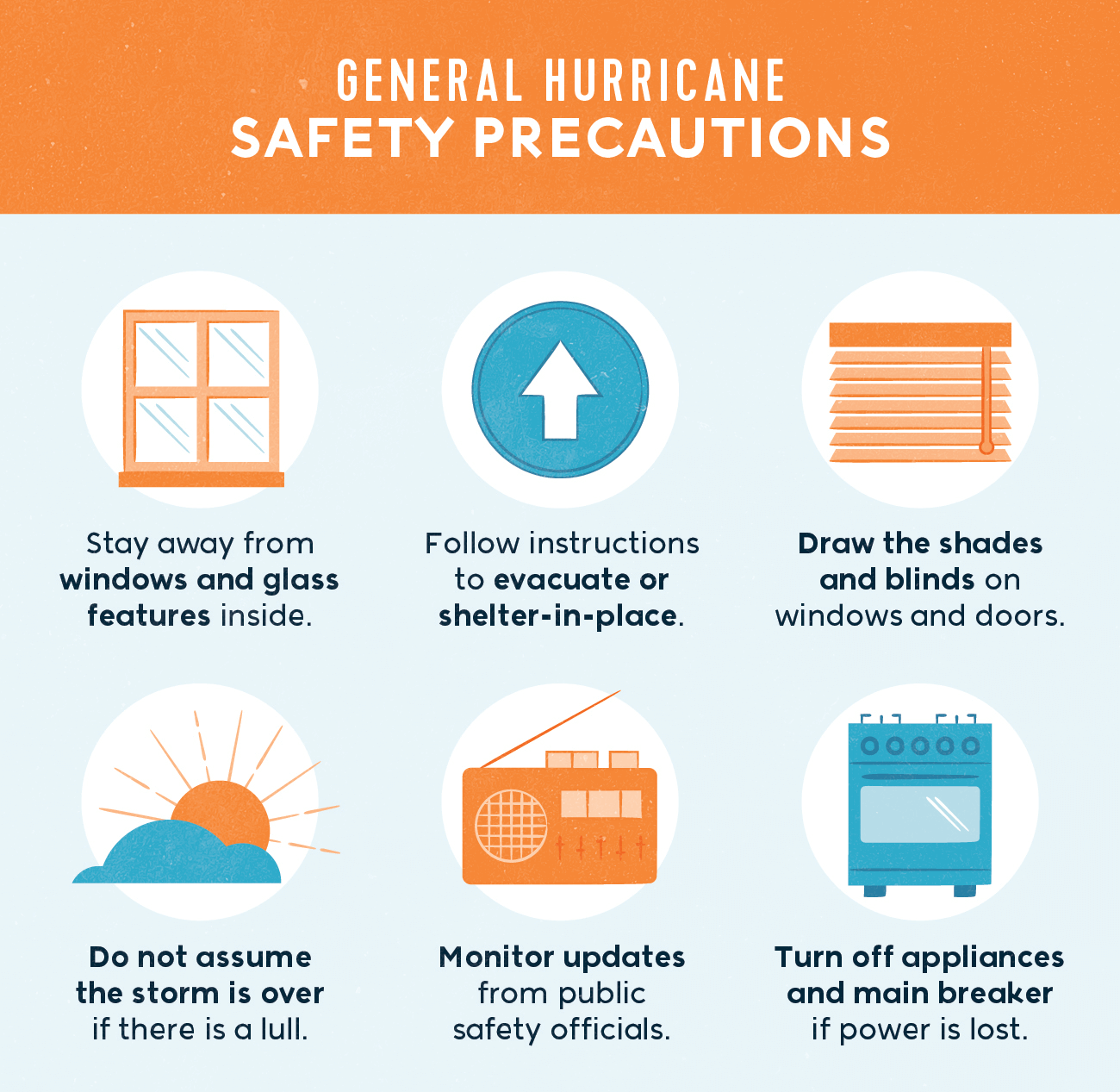
What To Do If There's A Hurricane

Have you ever found yourself watching a dramatic weather report, perhaps with a hurricane swirling on the map, and wondered, "What do people actually DO when that happens?" It might seem like a distant concern for many of us, but understanding hurricanes isn't just for those living right on the coast. Even areas far inland can experience significant impacts from these powerful storms, from heavy flooding to widespread power outages. Rather than a scary subject, let's approach it with a sense of curiosity and preparedness, much like learning how to change a tire or put together a basic first-aid kit. It's about empowering ourselves with knowledge, not fearing the unknown.
The core purpose of thinking about hurricane preparedness is incredibly simple: safety and peace of mind. Knowing what steps to take, even if they're small ones, can drastically reduce stress and potential danger during a real event. The benefit isn't just about safeguarding your property or even your life; it's about building resilience for yourself, your family, and your community. When you're prepared, you're not just reacting; you're acting from a place of informed confidence. It turns a potentially chaotic situation into something manageable, allowing you to focus on supporting those around you, too.
This kind of knowledge isn't abstract; it has very tangible uses. In an educational setting, understanding hurricanes can be integrated into geography lessons about climate and weather patterns, science classes explaining atmospheric physics, or even civics discussions about community emergency response. Children often participate in school safety drills, and learning about hurricane plans is just another layer of that vital education. In daily life, it manifests as practical decisions: knowing your local evacuation routes, having a "go-bag" ready with essentials like water and non-perishable food, or simply knowing where your important documents are stored. It’s about having a family communication plan, so everyone knows who to contact and where to meet if separated. It's also about being a good neighbor, checking in on elderly or vulnerable individuals before and after a storm.
Must Read
So, how can you start exploring this fascinating topic without feeling overwhelmed? Begin with simple steps! First, know your zone – are you in a hurricane evacuation area? A quick search on your local emergency management website will tell you. Next, consider putting together a very basic emergency kit: a gallon of water per person per day for at least three days, a flashlight, extra batteries, and a battery-powered radio. These are essentials for any power outage, not just hurricanes. Stay informed by following reliable weather sources like the National Hurricane Center (NHC) and your local news. Websites like FEMA (Federal Emergency Management Agency) and NOAA (National Oceanic and Atmospheric Administration) offer a wealth of accessible information and checklists. Chat with your family about a meeting point or communication plan. Remember, it's not about becoming an expert overnight, but about taking small, curious steps towards greater preparedness. Knowledge is your best defense!