What To Do If A Hurricane Hits
:max_bytes(150000):strip_icc()/staying-safe-during-hurricane-1513589-v1-5beb00f146e0fb0026e87333.png)
Imagine the weather forecast is suddenly screaming about a hurricane headed your way. It can feel a bit scary, right? Like a big, unexpected pop quiz from Mother Nature. But here's the good news: with a little bit of know-how and some simple steps, you can feel much more in control. Think of this as your friendly guide to navigating those choppy waters. Being prepared isn't just about checklists; it's about peace of mind. It’s about knowing you’ve done your best to keep yourself and your loved ones safe when a major storm decides to pay a visit. We're going to walk through some super easy, yet incredibly important, things you can do before, during, and after a hurricane. No need to feel overwhelmed; we'll take it one step at a time. Getting ready is actually quite empowering, turning that scary "what if" into a confident "we've got this."
Before the Storm: Your Game Plan
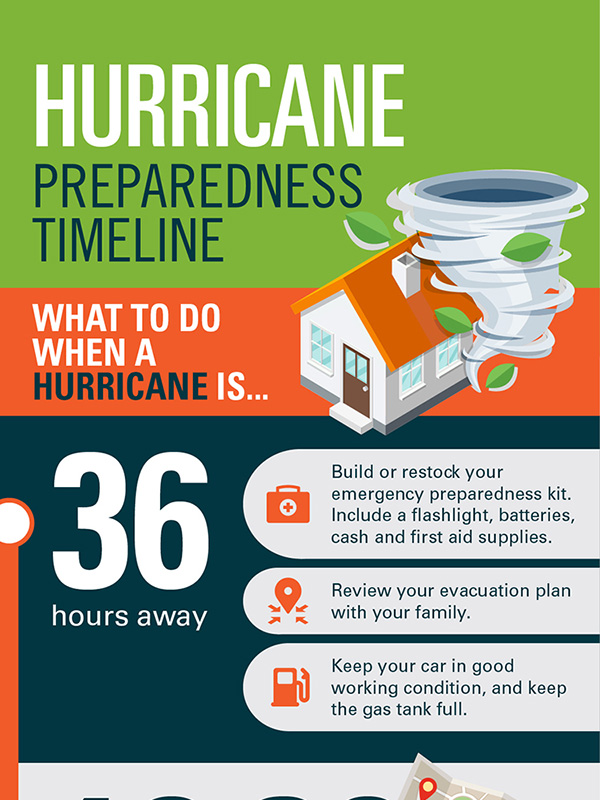
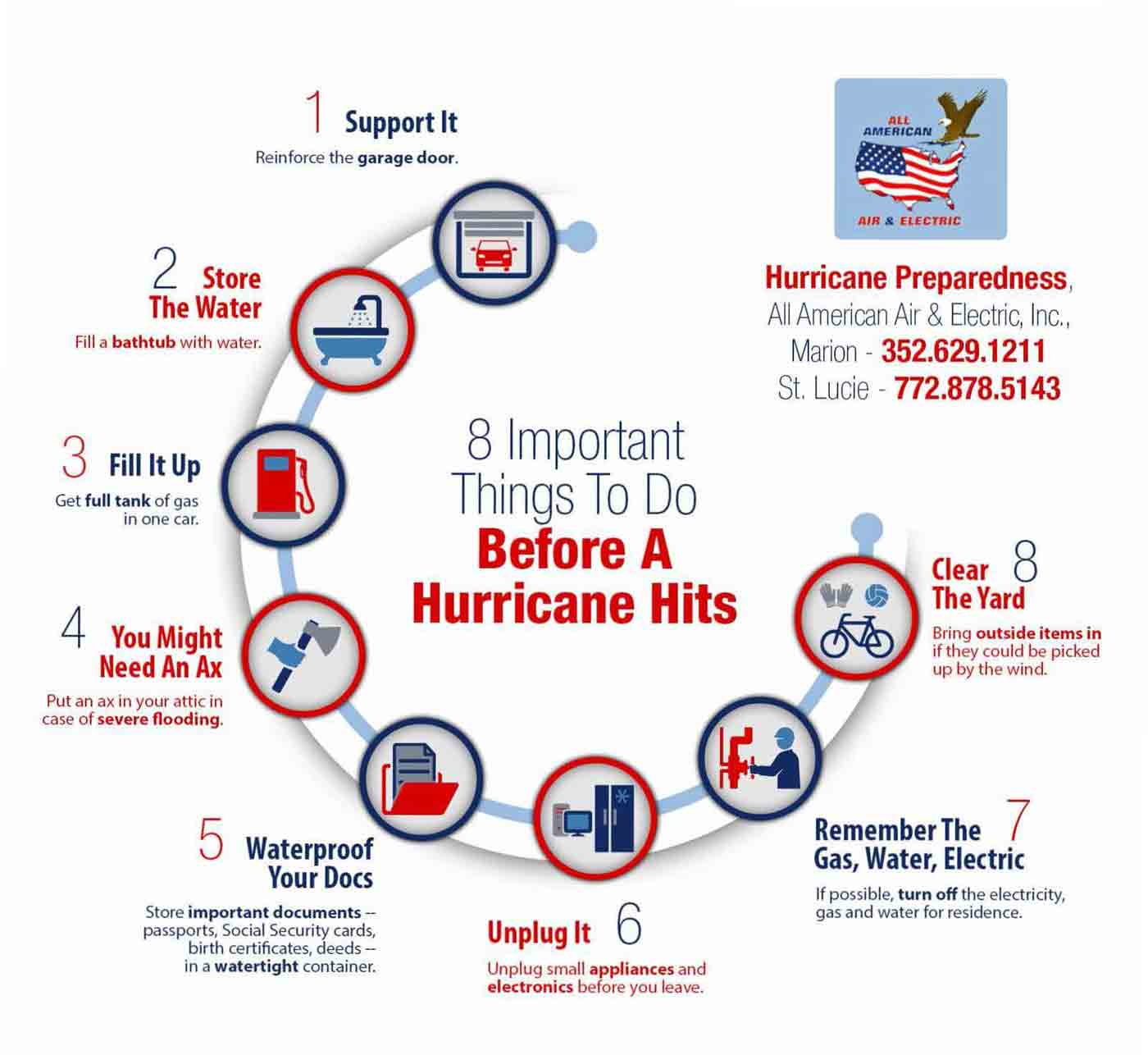
This is where you become a superhero in training! The secret to handling a hurricane isn't magic; it's getting ready early. Your first mission: build a fantastic emergency kit. Think of it as your portable fortress. What goes inside? Start with at least three days' worth of water for everyone (one gallon per person/pet per day). Add non-perishable food (power bars, canned goods, nuts) and a manual can opener. A first-aid kit, prescription medications, flashlights with extra batteries, a battery-powered radio, and a whistle are crucial.
Pro-Tip: Keep important documents like insurance policies and IDs in a waterproof bag. Charge all your electronic devices before the storm hits.
Next, create a family communication plan. Decide where to meet, who to call (outside the area), and write down key numbers. Know your evacuation routes and keep your car's gas tank full. Even if you don't think you'll evacuate, having the option is smart. Stay informed: follow local weather and listen to officials. They'll give you the most accurate advice. Prepping feels less daunting when done in small steps.
Must Read
When the Winds Whistle: During the Hurricane
Okay, the hurricane is here. It’s time to hunker down. Your absolute number one priority is to stay safe indoors. Pick the safest room in your home – usually an interior room on the lowest floor, away from windows. Why away from windows? Because flying debris can shatter them, and we want to keep you super safe. If you live in a mobile home or an area prone to flooding, or if you're told to evacuate, please, please do so immediately. Those warnings are there for a reason!
What if the power goes out? It's pretty common. This is where your awesome emergency kit shines! Pull out those flashlights, crank up that radio for updates, and enjoy your non-cook meals. Avoid using candles if possible; battery-powered lights are much safer. If you have a generator, use it outside and far away from windows. Carbon monoxide is an invisible, odorless danger.
Throughout the storm, listen to emergency alerts and instructions from local authorities. They are your best source of information. Try to stay calm. Remember, you've prepared for this. Play board games, read a book, or tell stories. It's a challenging time, but being together and staying positive can make a big difference. Don’t go outside until authorities say it’s safe. The "eye" of the hurricane can trick you into thinking it's over, but the second half of the storm is often just as powerful.
After the Fury Fades: Post-Hurricane Actions
The storm has passed, and you're ready to step outside. But hold on a second! It's still crucial to be super cautious. The immediate aftermath can still be dangerous. Don't venture out until officials say it’s safe. Downed power lines (extremely dangerous), flooded areas, and hidden debris pose real threats.

Wear sturdy shoes and protective clothing. Carefully assess damage, but never touch downed power lines. Suspect a gas leak? Evacuate and call the gas company. Avoid walking or driving through floodwaters; they hide many dangers. Turn around, don't drown!
Remember: Check on your neighbors, especially the elderly or those who might need extra help. A strong community is a resilient community!
Keep listening to your battery-powered radio for official updates on recovery efforts, road closures, and available resources. Keep fridge/freezer doors closed to save food. Report damage to your insurance company when safe. Remember, experiencing a hurricane is stressful. Lean on your support system and don't hesitate to seek help if overwhelmed. Recovery takes time, but being ready helps everyone bounce back stronger.