
What To Do If A Car Battery Dies
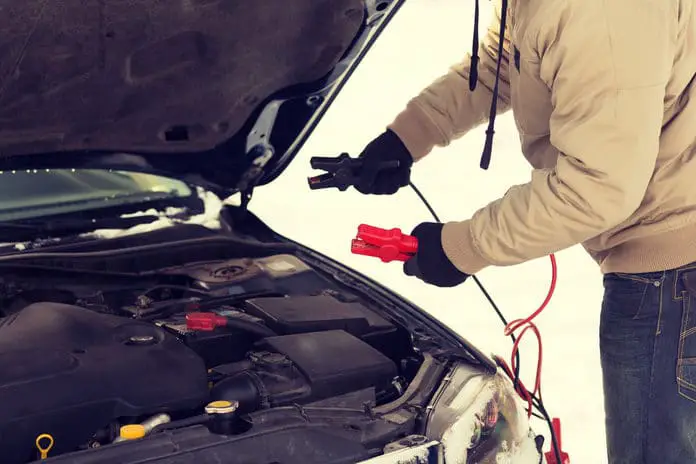
Ever been there? Keys in hand, ready to roll, turn the ignition... and crickets? Or maybe a sad, slow whirr-click that leaves you stranded? Don't despair! A dead car battery is like a surprise pop quiz that almost every driver eventually faces. And guess what? It's not a disaster; it's an opportunity! An opportunity to become a temporary automotive hero, to conquer a common inconvenience, and to feel incredibly resourceful. It's a universal shared experience, a little bit frustrating, but ultimately solvable and, frankly, a bit fun once you know the ropes!
This isn't just about getting your car started; it’s about gaining confidence, saving yourself a potentially hefty towing fee, and impressing your friends (or even a stranger in need!). Learning how to jump-start a car is a fundamental life skill that transforms a moment of "oh no!" into "I got this!" This guide aims to turn that roadside frown upside down and empower you with the knowledge to handle a power outage in your own ride. So, let’s get you from zero to hero!
Step 1: Diagnose the Deadness. First, confirm it’s actually the battery. Dim lights, no lights, or just a rapid clicking sound when you turn the key are classic signs. If everything electrical is totally dark, it's highly likely your battery has temporarily kicked the bucket.
Must Read
Step 2: Safety First, Always! Before you even think about cables, let’s talk safety. Grab some work gloves and safety glasses if you have them. Pop both hoods. Make sure both cars are turned off and in Park (automatic) or Neutral (manual) with the parking brake engaged. No jewelry hanging around either – we're not trying to create a sparkler show!
Step 3: Gather Your Tools & Helper. You'll need a good set of jumper cables (a smart item to keep in your trunk!) and another car with a working battery (your "donor car"). Park the donor car nose-to-nose or side-by-side with your dead car, close enough for the cables to reach comfortably but without touching.

Step 4: The Sacred Order of Cables (Connect!). This is the most crucial part! Follow this sequence carefully to avoid sparks and damage:
- Take the red (positive) clamp and connect it to the positive (+) terminal on your dead battery.
- Connect the other red (positive) clamp to the positive (+) terminal on the donor battery.
- Take the black (negative) clamp and connect it to the negative (-) terminal on the donor battery.
- Connect the other black (negative) clamp to an unpainted metal surface on your dead car’s engine block or frame, far away from the battery and any moving parts. This creates a safe ground.
Step 5: Power Up! Now, start the engine of the donor car and let it run for a few minutes to charge the dead battery slightly. Then, try to start your dead car. If it sputters to life, success! If not, wait a few more minutes and try again. If it still doesn't start, there might be a bigger issue.
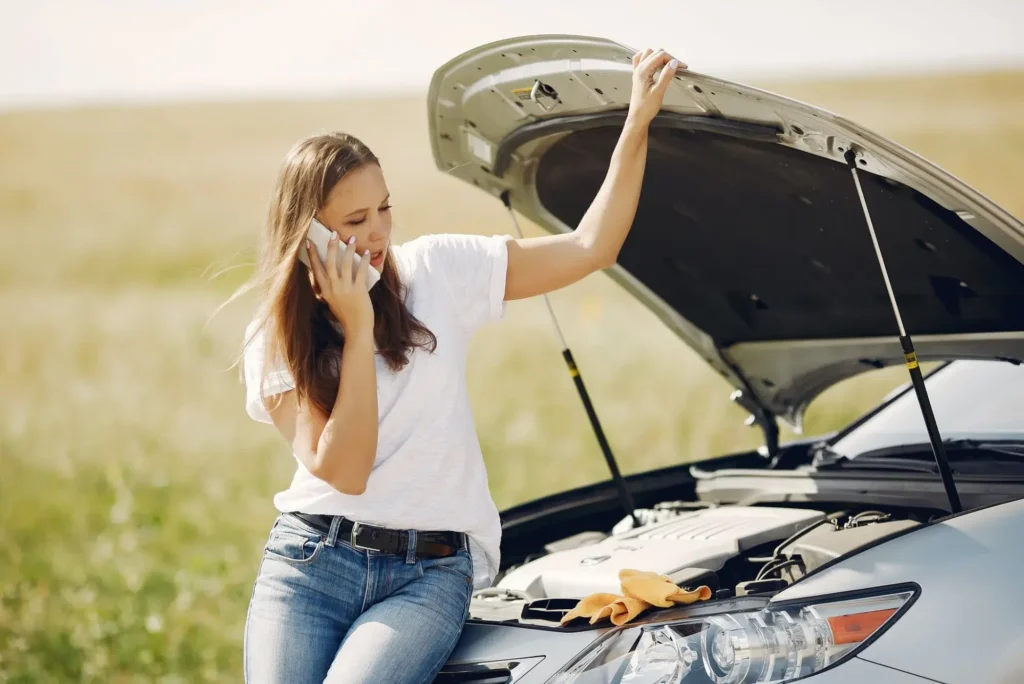
Step 6: Disconnect with Care (Reverse Order!). Once your car is running, congratulations! But don't just yank the cables. Disconnect them in the reverse order you connected them:
- Remove the black clamp from your dead car’s metal surface.
- Remove the black clamp from the donor battery’s negative (-) terminal.
- Remove the red clamp from the donor battery’s positive (+) terminal.
- Remove the red clamp from your dead battery’s positive (+) terminal.
Step 7: Keep on Rolling. Leave your car running for at least 15-20 minutes, or better yet, take it for a drive to allow your alternator to fully recharge the battery. If your car dies again shortly after, it's time for a new battery or a check on your charging system.
See? Not so scary after all! You've just performed a mini-miracle and saved your day (and maybe your wallet). Keeping a set of jumper cables in your car and knowing these steps means you're not just prepared; you're empowered. So next time you hear that sad "click," don't panic. Smile, grab those cables, and get ready to be your own roadside hero!

