
What To Do After Your Home Floods
So, your home decided to host an unscheduled pool party, complete with impromptu water features and soggy everything. Welcome to the club, friend. It’s a bit like finding Nemo in your living room, except Nemo is now a floating photo album and your couch has developed an unfortunate squish. Don't panic, though! We've all been there, or know someone who has. It feels overwhelming, yes, but think of it as an extreme home makeover challenge – one you didn't sign up for, but one you'll conquer with a smile (and maybe a few exasperated sighs).
First, The "Oh No!" Moment: Safety First, Super Sleuth Second
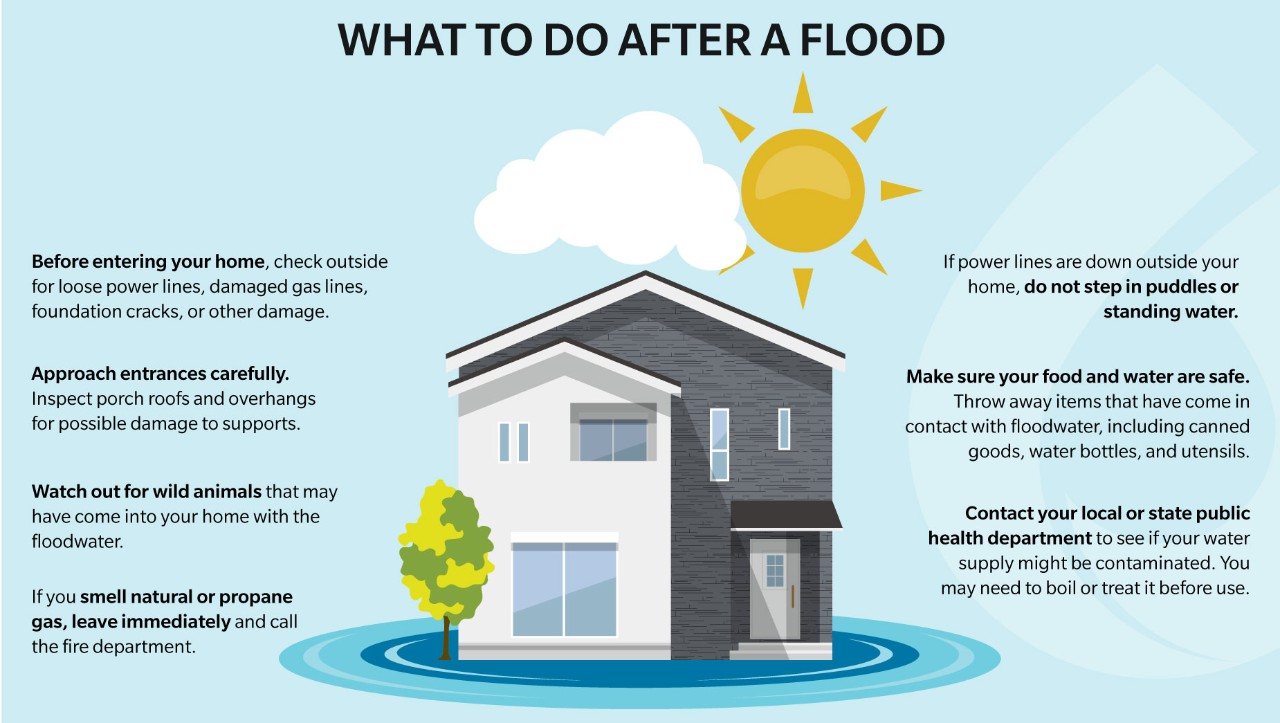
Before you channel your inner clean-up crew, let's ensure everyone's safe. This isn't the time to practice your synchronized swimming routine in a flooded basement.
Power Off! This is numero uno. If the water's anywhere near electrical outlets or appliances, play it safe and find your main breaker. Turning off the power is like defusing a very wet, very annoying bomb – absolutely essential.
Must Read
Identify the Source: Is it a burst pipe doing its best geyser impression? A leaky roof thinking it's a waterfall? Find it and stop it. Sometimes it's as simple as turning a valve; other times, it's calling in the cavalry (aka, a plumber). Don't let the water keep flowing like a stubborn ex.
Document, Document, Document: Before you touch a single soggy sock, whip out your phone and become the paparazzi of your own disaster. Take photos and videos from every angle. Think of it as creating a crime scene investigation log, except the "crime" is committed by water. This isn't just for your scrapbook; it's crucial for insurance claims.
The Great Pump Out & Evacuation
Now that the immediate drama is handled, it's time to get that water out.
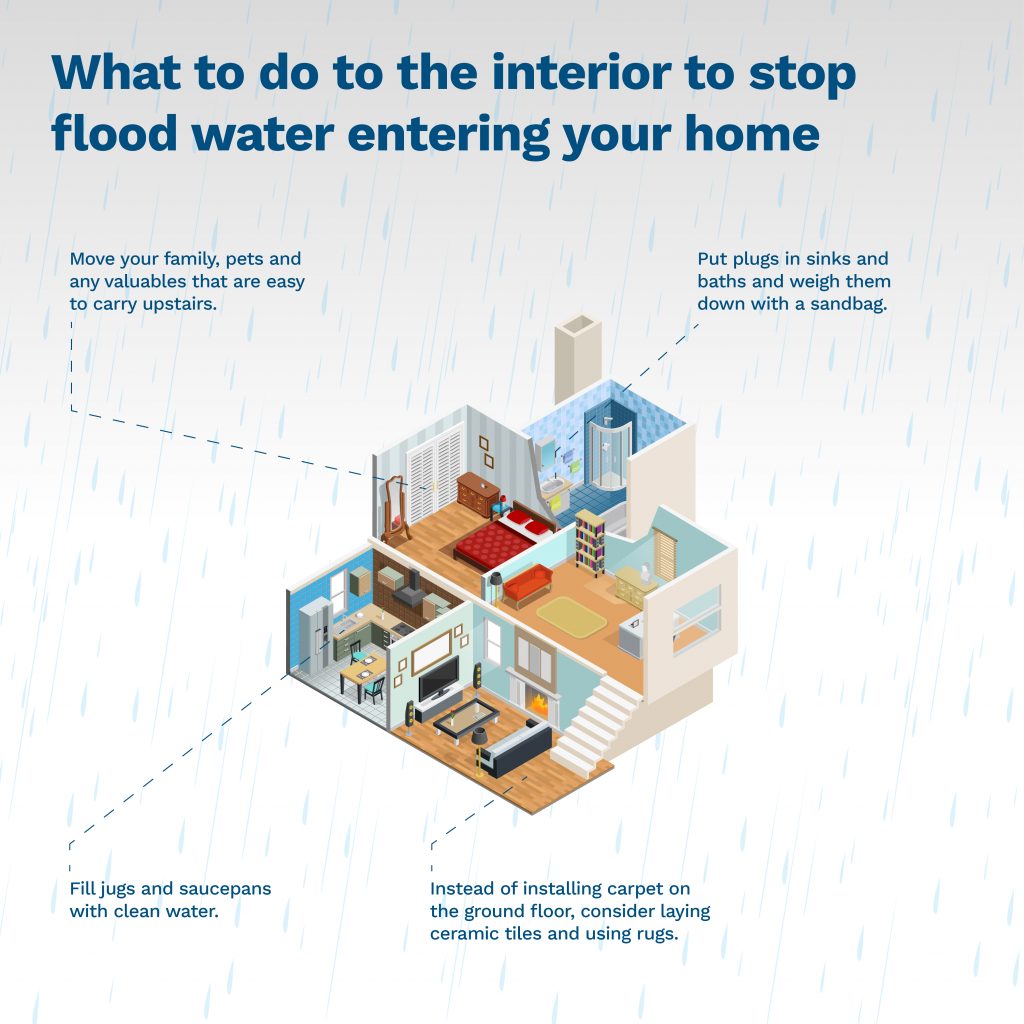
Grab Your Buckets (and Friends): If it's a small amount, you might be able to mop and bucket it out. For anything more substantial, you'll need a wet/dry vac or, better yet, a sump pump. It’s like bailing out a very large, very stubborn boat that happens to be your living room. Enlist help from strong-backed friends – pizza and beverages are excellent motivators!
Evict the Soggy Stuff: Anything that absorbed water like a sponge needs to go. That includes carpets, rugs, drywall (if it's wicking up water), and furniture that's beyond saving. Don't fall in love with a waterlogged armchair; it's a mold magnet waiting to happen. Be ruthless! Think of it as Marie Kondo-ing your flood damage. If it doesn't spark joy (or is actively growing fuzzy bits), it must go.
The Drying Game: Welcome to the Wind Tunnel!
Getting things dry is probably the most critical step to prevent mold from turning your home into a fuzzy science experiment.

Fans, Fans, Everywhere! Your house is about to sound like a small airport, and you're the air traffic controller. Open windows, crank up every fan you own (and borrow!), and point them at the wet areas. Air circulation is your best friend.
Dehumidifiers are Your Superheroes: These trusty machines will pull moisture out of the air like tiny, tireless sponges. Get as many as you can, empty them frequently, and watch them work their magic. They’re like the unsung heroes of flood recovery.
Heat It Up: If it's safe and you're not trying to dry out a sauna, turning up the heat can help speed up evaporation. Just don't overdo it.
Cleaning Up the Mess (And the Smell)
Once things are dry, it’s time for the great scrub-down.
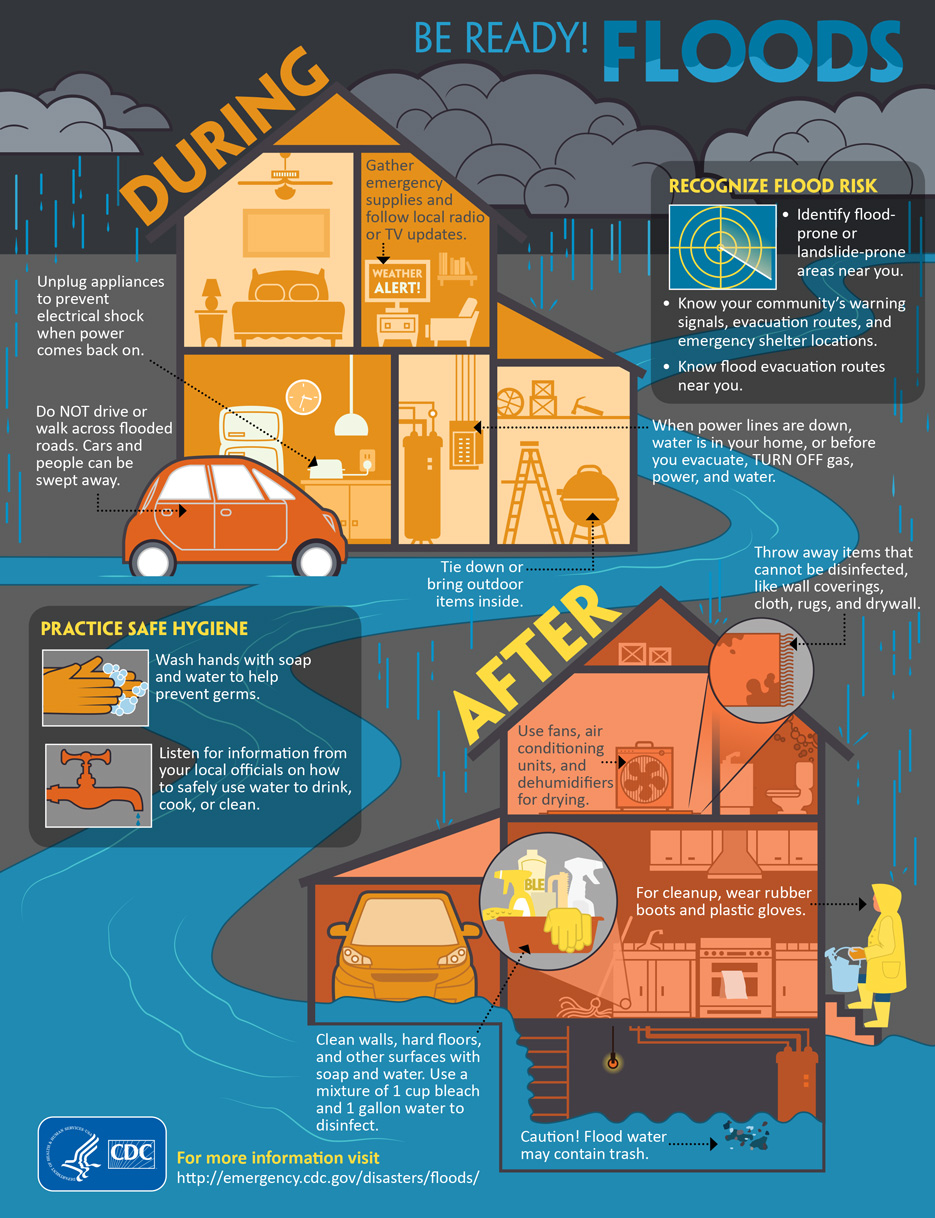
Sanitize Everything: Floodwater isn't just water; it's often contaminated with all sorts of delightful things. Use a bleach solution (one cup of bleach per gallon of water) or a good disinfectant to clean all hard surfaces. Wear gloves and a mask – think of it as suiting up for battle against invisible enemies.
Watch for Mold: Keep a keen eye (and nose!) out for any signs of mold. If you see it, address it immediately. Small patches can be cleaned, but larger infestations might require professional help. Don't mess with mold!
Air Out the Funk: That damp, musty smell is a stubborn foe. Continue using fans, air purifiers, and keep windows open when possible. Odor neutralizers can also help, but getting things truly dry is the real solution.

The Long Haul: Patience, My Friend
Dealing with insurance, hiring contractors, and rebuilding takes time. Lots of time.
Be Best Friends with Your Insurance Adjuster: They hold the keys to getting your home back to normal (or even better!). Be clear, be thorough, and follow up regularly. They're not mind-readers, so communicate everything.
Hire Wisely: When it comes to repairs, get multiple quotes and check references. Don't rush into anything. You want reliable professionals, not someone who'll turn your flood repair into another disaster.
It’s okay to feel overwhelmed, frustrated, or even like crying into a surprisingly dry coffee cup. This is a marathon you didn't sign up for, and it tests your patience. But remember, homes are resilient, and so are you. One step at a time, one soggy item at a time, you'll get your sanctuary back. And when you do, that first uninterrupted, non-squishy step on your floor will feel like walking on clouds. You've got this!