What Temperature To Set The Thermostat In Winter
Ever feel like you're locked in a battle with your thermostat all winter? Too hot, you're shedding layers and opening windows. Too cold, you're huddled under blankets, resembling a yeti. Figuring out the ideal temperature setting is a quest many of us embark on each year, and it's surprisingly fascinating! It's not just about personal comfort; it’s about saving money, conserving energy, and even impacting our health and the environment.
The purpose of setting your thermostat in winter is multi-faceted. Primarily, it's about maintaining a comfortable and safe indoor environment. This prevents frozen pipes, keeps vulnerable individuals healthy, and simply makes life more pleasant. However, finding the sweet spot allows you to balance warmth with energy efficiency. The lower you can set your thermostat while still being comfortable, the less energy your furnace needs to use, resulting in lower heating bills and a smaller carbon footprint. It's a win-win!
Think about it in educational settings. Schools often grapple with this. They need to maintain a temperature conducive to learning – not so cold that students are distracted by shivers, and not so warm that they become drowsy. They also have massive heating bills to consider! Many schools now use programmable thermostats and occupancy sensors to adjust temperatures based on when classrooms are occupied, demonstrating a real-world application of energy conservation. In daily life, consider a family with differing needs. An elderly grandparent might require a warmer environment than a young, active child. Understanding the impact of temperature allows for compromises and potentially the use of space heaters or heated blankets to cater to individual needs without cranking up the entire house's temperature.
Must Read
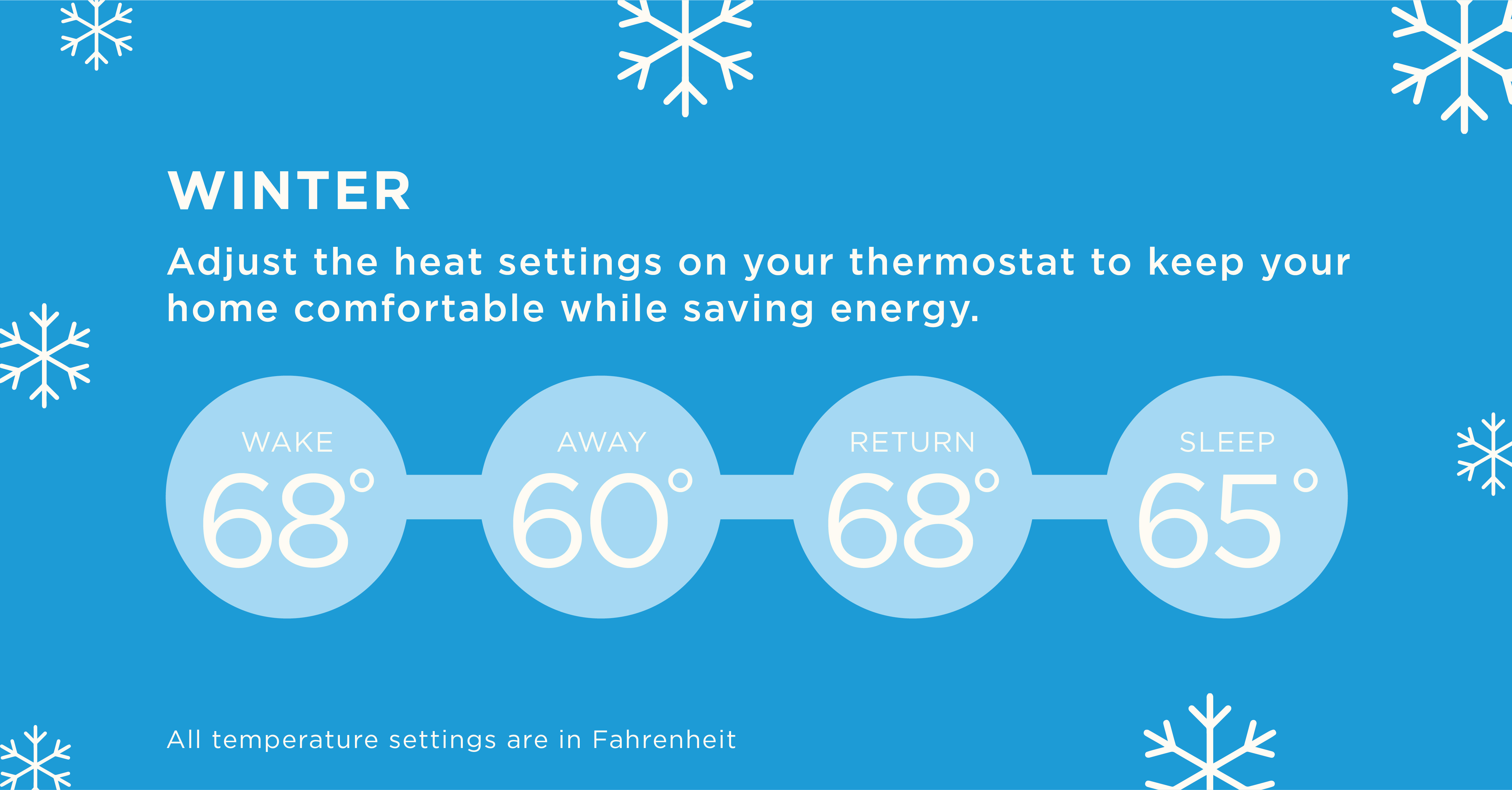
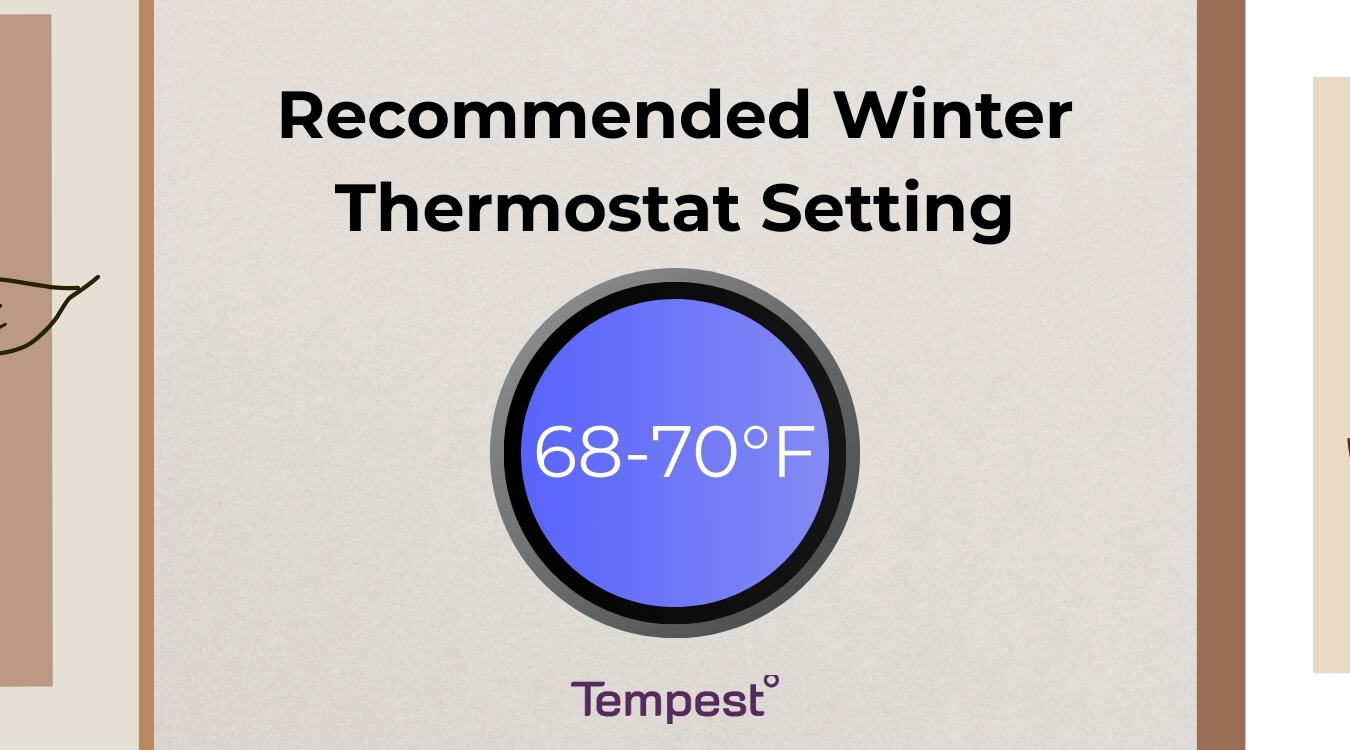
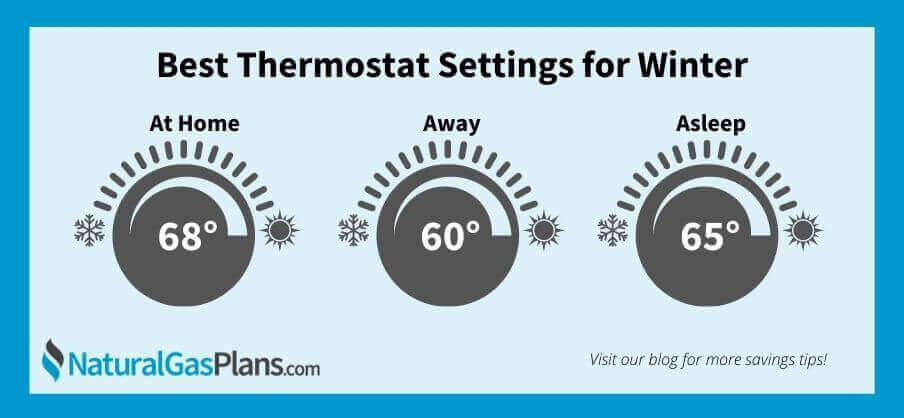
So, what's the magic number? While there's no single right answer, 68°F (20°C) is generally recommended as a good starting point when you're home and awake. When you're asleep or away from home, lowering the thermostat by 7-10 degrees for eight hours can save you as much as 10% a year on your heating bill! That’s a significant chunk of change.
Want to explore this further? Here are a few practical tips: First, invest in a programmable or smart thermostat. This allows you to automate temperature adjustments based on your schedule. Second, conduct a little experiment! For a week, try setting your thermostat at 68°F. Then, the next week, try 66°F. Note how comfortable you feel and compare your energy usage. Several apps and websites allow you to track your energy consumption. Third, consider other factors that influence your perception of temperature, like humidity. Dry air can make you feel colder, even at a higher temperature. A humidifier might allow you to lower the thermostat without sacrificing comfort. And finally, don't forget about drafts! Sealing windows and doors can make a huge difference in maintaining a consistent temperature and preventing heat loss. Finding the right temperature is a personal journey. By understanding the principles and experimenting a little, you can find the perfect balance of comfort, cost savings, and environmental responsibility.