What Temperature To Set House In Winter When Away
Okay, let's talk about something that might not sound thrilling, but trust me, it is! We're diving into the fascinating world of setting your thermostat when you're away from home in the winter. Think of it as a mini-adventure in energy saving and home protection. It's a topic everyone can relate to, especially when those heating bills start piling up like snowdrifts. Figuring out the sweet spot temperature can save you money and prevent frozen pipes – what's not to love?
Why bother? Well, for the beginner, it's all about simplicity and savings. You don't want to waste energy heating an empty house. For families, think about it as a way to teach kids about responsibility and conservation. Plus, the extra cash saved can go towards that family vacation you've been dreaming of! And for the hobbyist – the person who loves tweaking and optimizing – this is a chance to fine-tune your home's energy efficiency and experiment with different settings.
The core purpose is twofold: prevent frozen pipes and reduce energy consumption. If your house gets too cold, the water in your pipes can freeze, expand, and burst, leading to costly repairs. On the other hand, keeping your house at a comfortable temperature while you're gone is a waste of energy and money. Finding the right balance is key.
Must Read
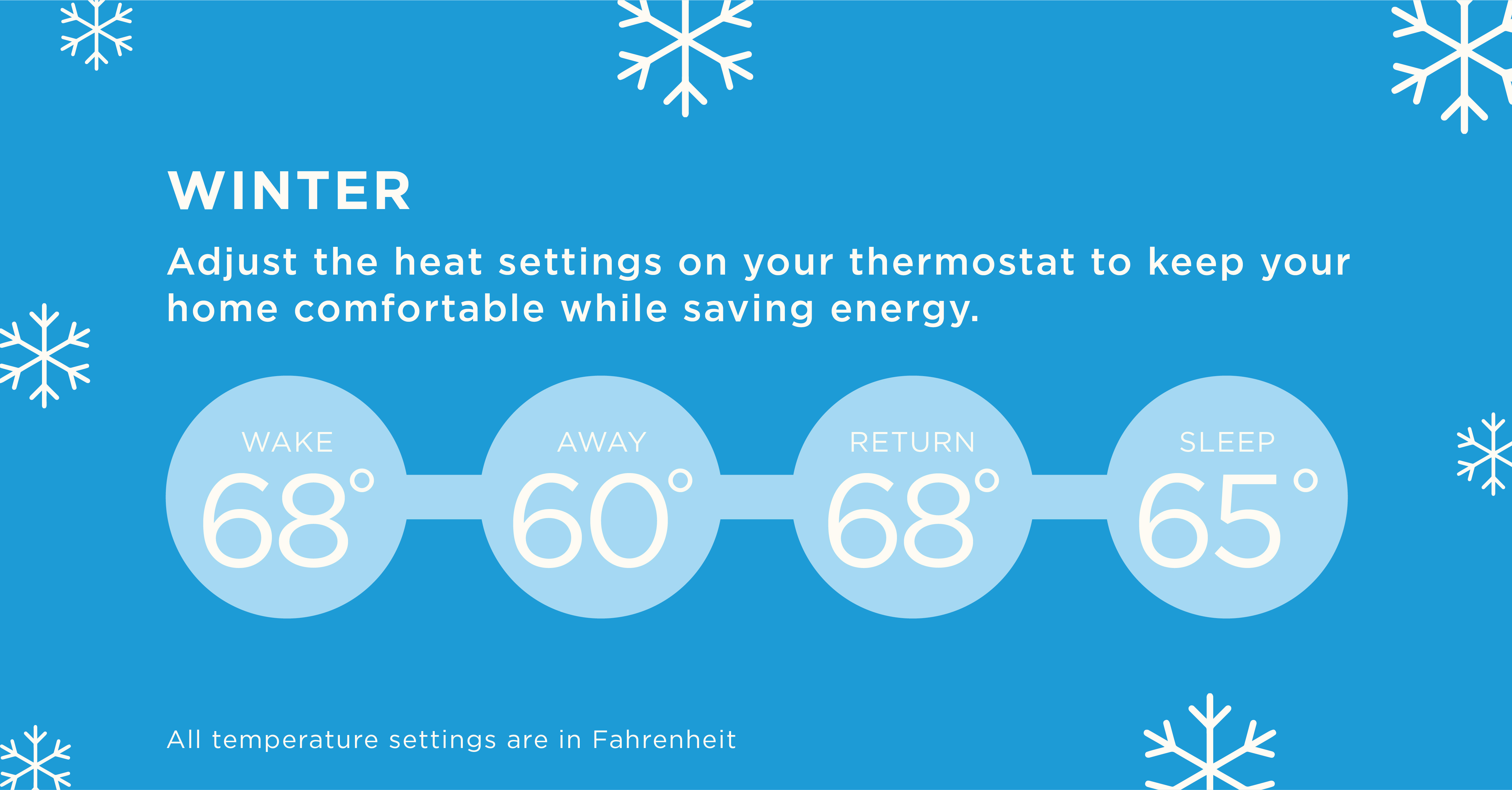
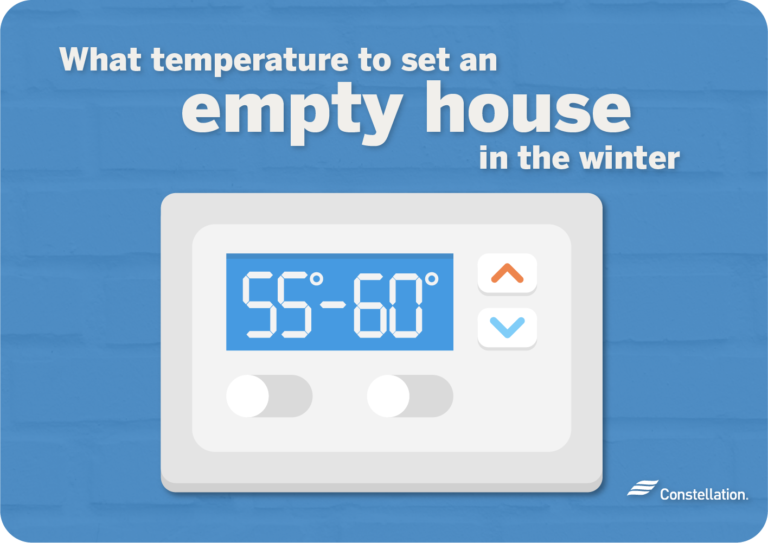
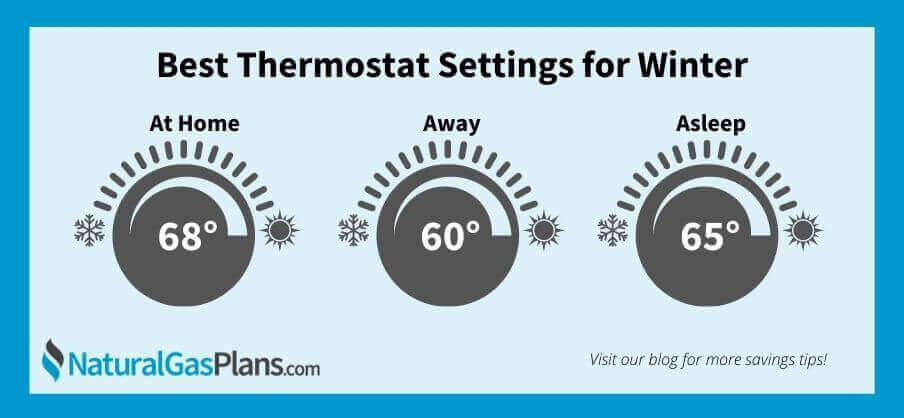
So, what's the magic number? Generally, 55 degrees Fahrenheit (13 degrees Celsius) is considered the safe minimum. This is warm enough to prevent most pipes from freezing, even in very cold climates. However, there are variations! If you're going away for just a weekend, you might be able to set it a little higher, maybe 60°F (16°C), just to make it easier to warm the house back up when you return. If you live in a particularly well-insulated home, or if you have friends checking on your house regularly, you might be able to nudge it down a degree or two. Consider the age of your home, the insulation quality, and the severity of the winter weather in your area.
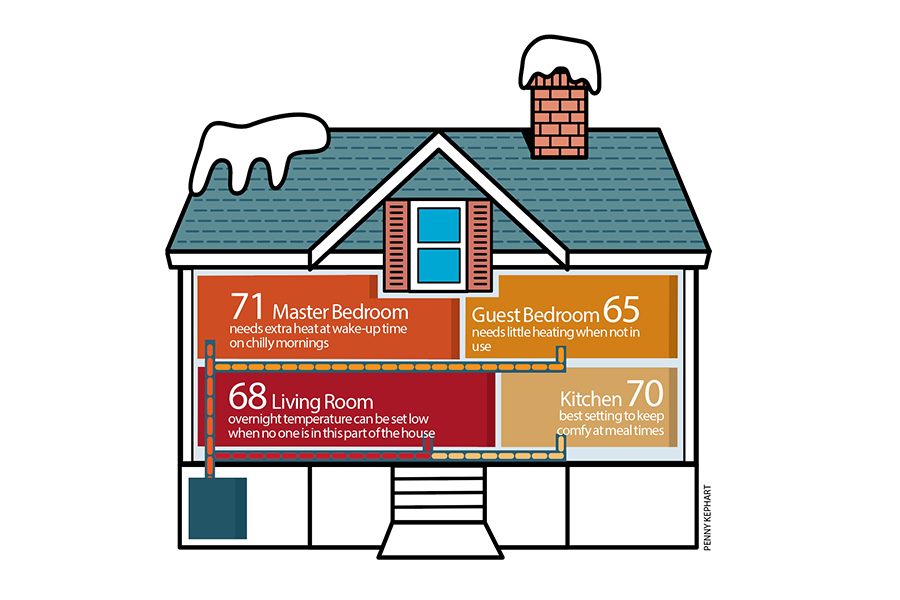
Here are a few practical tips to get started:
- Invest in a programmable thermostat. This allows you to set different temperatures for different times of day, making it easy to lower the temperature when you're away and raise it before you return.
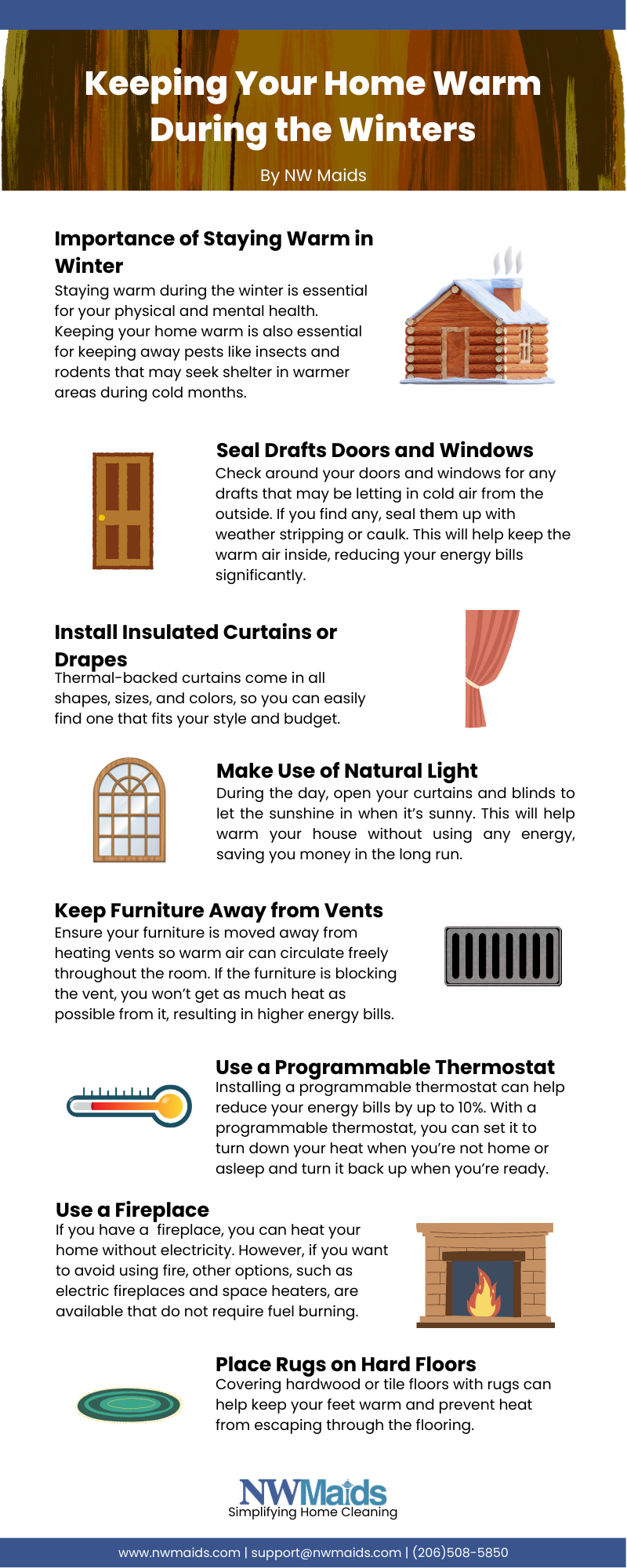
- Insulate your pipes. Especially those in unheated areas like basements or crawl spaces. Pipe insulation is cheap and easy to install.
- Open cabinet doors under sinks. This allows warmer air to circulate around the pipes.
- Ask a neighbor or friend to check on your house. They can make sure the heat is working and that there are no signs of frozen pipes.
- Consider a smart thermostat. These thermostats can be controlled remotely via your smartphone, allowing you to adjust the temperature even when you're thousands of miles away.
Remember, finding the right temperature is a bit of an experiment. Start with 55°F and see how it goes. Adjust as needed based on your specific circumstances. The feeling of saving money on your energy bill while knowing you've protected your home is incredibly satisfying. So, go ahead, embrace the thermostat adventure! It's a small change that can make a big difference, and who knows, you might even discover a new appreciation for the power of energy efficiency. Happy savings!