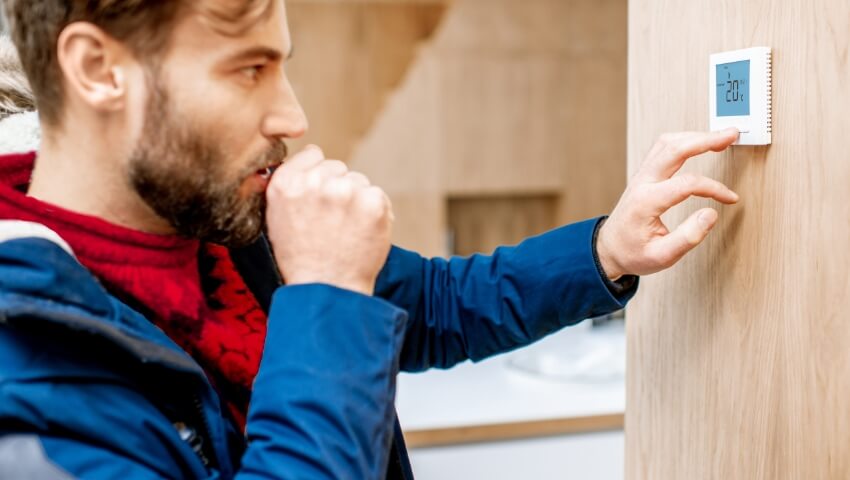
What Temperature To Leave Vacant House In Winter
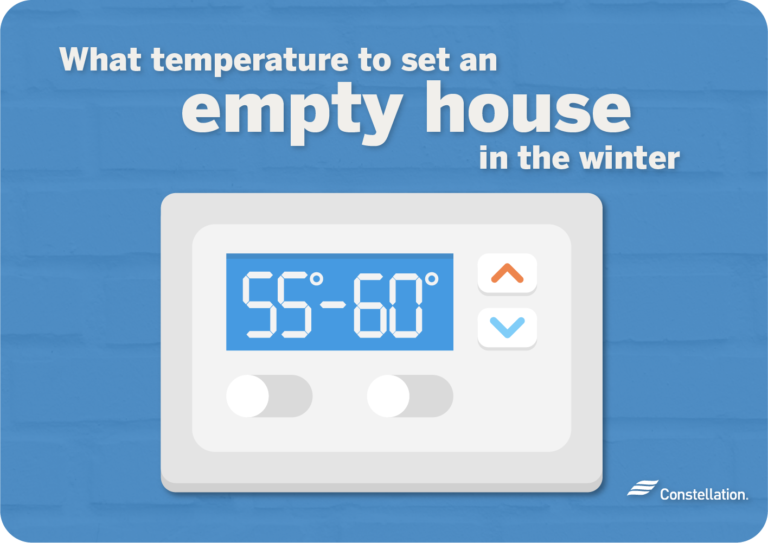
Hey there, friend! So, you've got a house sitting empty this winter, huh? Don't you worry your little socks off, we're gonna figure out the perfect temperature to keep things shipshape. I mean, nobody wants frozen pipes and a flooded basement – talk about a headache!
Honestly, there's no one-size-fits-all answer, is there ever? But let's dive in, shall we? Grab your coffee (or tea, no judgment here!), and let's get this show on the road.
The Goldilocks Zone: Not Too Hot, Not Too Cold
Okay, so aiming for somewhere in the middle is usually your best bet. Think of it like Goldilocks and the Three Bears – not too hot (wasteful!), not too cold (disaster!), but juuuust right. So, what’s “just right”?
Must Read
Generally, most experts recommend setting your thermostat to around 55°F (13°C). Yep, that's the magic number! Why? Well, it’s cold enough to save you a decent chunk on heating costs (who doesn't love saving money?), but warm enough to significantly reduce the risk of pipes freezing. And trust me, frozen pipes are way more expensive than a slightly higher heating bill. We're talking major damage repair here!
Why Not Just Turn the Heat Off Completely?
Tempting, I know! Picture those savings! But seriously, resist the urge. While turning off the heat entirely might seem like a brilliant idea to save a few bucks, it's a recipe for frozen pipe mayhem. And burst pipes lead to flooding, mold, and all sorts of other unpleasant (and wallet-draining) surprises. Is saving a few bucks really worth the potential nightmare? I think not.

Think of your plumbing as little tiny veins and arteries in your house – they need to be kept at a reasonable temperature to avoid them seizing up (metaphorically speaking, of course! Pipes don't actually have tiny little circulatory systems...or do they?).
Extra Precautions – Because Why Not?
Okay, so you've set the thermostat to 55°F. Great! But why stop there? A little extra precaution never hurt anyone, right? We don’t want any nasty surprises!

Here are a few extra things you can do to protect your vacant home this winter:
- Insulate your pipes: Especially those near exterior walls or in unheated areas like basements or crawl spaces. You can find pipe insulation at any hardware store – it’s like a cozy sweater for your pipes!
- Seal any drafts: Check for gaps around windows and doors. Caulk and weatherstripping are your best friends here. Think of it as giving your house a big, warm hug.
- Open cabinet doors under sinks: This allows warmer air to circulate around the pipes. It's a simple trick, but it can make a big difference.
- Drain your pipes (if possible and practical): If you're going to be gone for an extended period and live in a really cold climate, consider draining your plumbing system. This is a more involved process, so you might want to call a plumber.
- Ask a neighbor to check in: A friendly face popping in every week or two can catch any potential problems early. Plus, it’s just good neighborly behavior! (And who knows, maybe they'll water your plants, too!)
Smart Thermostats: Your New Best Friend?
Consider a smart thermostat! These little gadgets let you control the temperature remotely via your phone. So, if you get a sudden cold snap, you can bump up the heat from anywhere in the world. Plus, some models even send you alerts if the temperature drops too low. Fancy, right?
Don't Forget About...
...the insurance policy! Make sure your homeowner's insurance is up-to-date and covers damage from frozen pipes. Review your policy to understand what's covered and what's not. Better safe than sorry!
So there you have it! A simple guide to keeping your vacant house warm (but not too warm!) this winter. Follow these tips, and you can rest easy knowing your property is protected from the ravages of Jack Frost. Now, go enjoy that winter wonderland – worry-free! Oh, and maybe send me a postcard? 😉